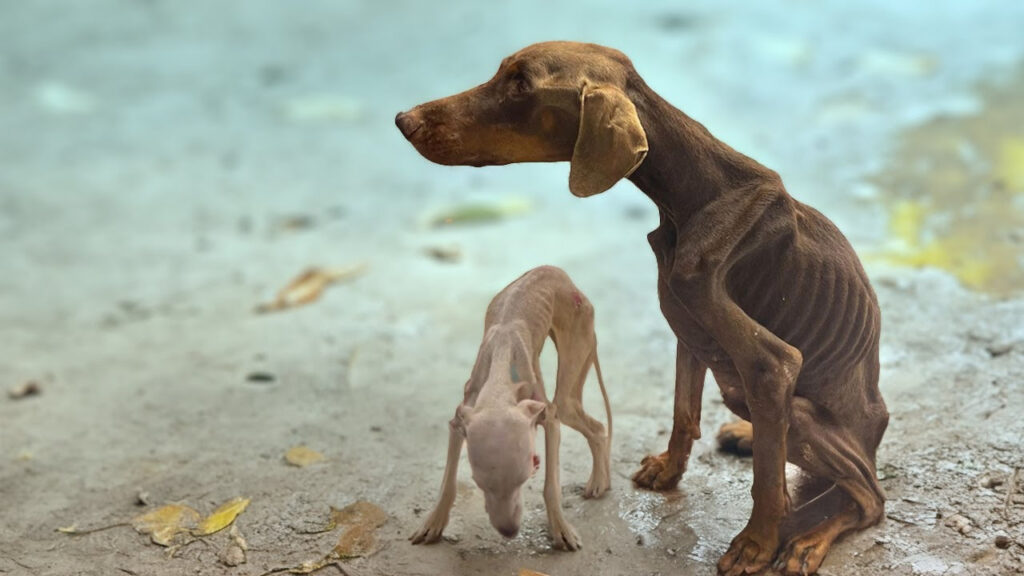
Every year, compassionate community members play a vital role in identifying animals in need of care and shelter. When a concerned neighbor noticed several dogs kept in inadequate conditions without proper nourishment, they immediately reached out to local animal welfare coordinators. Rescuers arrived on the scene to find several timid, malnourished dogs in urgent need of professional veterinary attention and a safe environment.
Among the group was a young puppy named Bono, who showed extreme hesitation around humans due to a lack of early socialization. Transported swiftly to a specialized veterinary clinic, the dogs received comprehensive health assessments, balanced nutrition, warm bedding, and gentle care. Over the following weeks, dedicated caregivers worked tirelessly to rebuild their physical health and help them regain confidence.

The Role of Animal Shelters and Community Awareness
Animal rescue organizations depend heavily on observant neighbors and local communities to identify domestic animals experiencing neglect or improper living conditions. Early intervention by trained professionals significantly improves recovery outcomes for vulnerable pets.
When animals are removed from stressful environments, rescue personnel follow structured protocols to assess both physical health and behavioral needs:
-
Veterinary Care: Performing medical exams, administering necessary vaccinations, and addressing nutritional deficiencies under professional guidance.
-
Behavioral Rehabilitation: Providing structured routines, positive reinforcement, and gradual exposure to human interaction to build trust.
-
Safe Housing: Offering clean, climate-controlled, and enriched living areas that encourage natural play and restful recovery.
Through these steps, shelter teams help animals transition smoothly from uncertain backgrounds to stable environments where they can flourish.

The Science of Canine Rehabilitation and Socialization
Rehabilitating dogs that have experienced poor conditions involves understanding canine psychology and physiological recovery. Animal behaviorists emphasize that patience, routine, and positive social interactions are essential components of successful recovery.
Veterinary research shows that proper nutrition plays a foundational role in restoring an animal’s energy, coat health, and immune function. As physical health improves, behavioral training helps lower stress levels and promotes healthy social bonds with caregivers and future adoptive families.
For timid dogs like Bono, step-by-step socialization allows them to overcome initial fear at their own pace. Through consistent kindness, clear routines, and gentle play, dogs gradually learn to trust humans, paving the way for successful integration into permanent homes.

Finding Permanent Homes: The Power of Adoption

The ultimate goal of every rescue effort is placing rehabilitated animals into supportive, permanent homes. Adoption programs evaluate potential families to ensure a strong match between the pet’s personality and the household environment.
Today, Bono and his fellow rescues are thriving in permanent homes with families who provide the daily care, exercise, and affection they need. Their successful transition highlights the profound impact of community awareness, professional rescue work, and responsible pet ownership.
Observing a once-hesitant pet become a confident, joyful family companion serves as a powerful reminder of what dedicated care can achieve. By supporting local animal shelters, practicing responsible pet care, and reporting concerns to local authorities, communities can continue to foster safer and kinder environments for all animals.
Reflection on Human Compassion and Animal Care
The journey from rescue to adoption reflects an enduring aspect of human nature: our innate empathy for living creatures. When people come together to protect vulnerable animals, it reinforces the strong connection shared between humans and domestic companions.
Taking action to assist animals in need demonstrates how collective care can transform difficult circumstances into inspiring outcomes. Stories of recovery encourage us to remain observant, kind, and committed to promoting animal welfare in our daily lives.
Sources and References
-
American Society for the Prevention of Cruelty to Animals (ASPCA). (2023). Understanding Canine Rehabilitation and Shelter Care Protocols. ASPCA Professional Insights.
-
Humane Society of the United States. (2022). Community Action and Animal Welfare Guide. HSUS Educational Resources.
-
Journal of Veterinary Behavior. (2021). Physiological and Behavioral Recovery in Rescued Domestic Canine Populations. Elsevier Science.