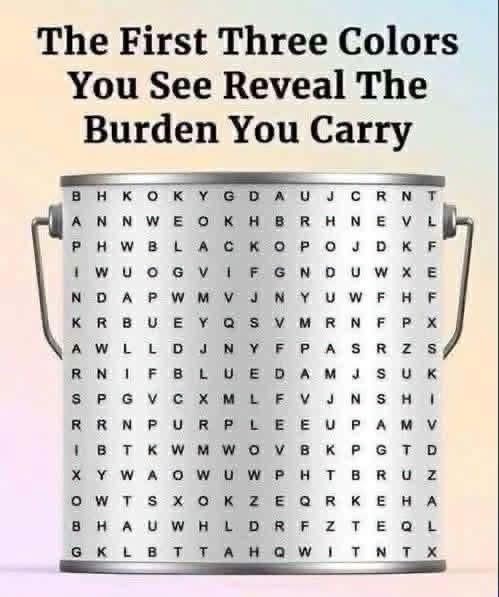
Colors surround us every day, shaping the way we experience the world. From the clothes we wear to the rooms we decorate and the products we choose, color plays a subtle yet meaningful role in our daily lives. Many people feel naturally drawn to certain shades while avoiding others, leading to an intriguing question: do we choose our favorite colors, or do our emotional experiences influence those choices?
While color psychology continues to be an active area of research, experts agree that our responses to color are shaped by a combination of personal experiences, cultural influences, and individual preferences rather than fixed psychological rules.
The Emotional Power of Color
Color has the ability to capture attention, influence perception, and evoke emotional responses. A bright, vibrant shade may feel energizing, while softer tones often create a sense of calm.
However, these reactions are highly personal. A color that feels comforting to one person may have a completely different meaning for someone else based on memories, experiences, or cultural background.
Rather than acting as universal emotional triggers, colors often interact with our existing thoughts and feelings.
Why We Develop Favorite Colors
Researchers believe several factors contribute to our color preferences, including:
- Personal experiences and memories.
- Cultural traditions and symbolism.
- Environmental surroundings.
- Fashion and design trends.
- Individual personality and taste.
Because these influences constantly change throughout life, favorite colors may also evolve over time.
What Different Colors Commonly Represent
Although interpretations vary across cultures and individuals, certain colors are frequently associated with particular ideas or emotions.
Red
Red is often linked with energy, excitement, confidence, and passion. It naturally attracts attention and is commonly used in advertising, sports, and celebrations. In some situations, it may also symbolize urgency or importance.
Blue
Blue is frequently associated with calmness, stability, and reliability. It is commonly used in workplaces, healthcare settings, and branding because many people perceive it as trustworthy and relaxing.
Green
Green often represents nature, growth, balance, and renewal. Many people associate green with outdoor environments, making it a popular choice for spaces designed to promote relaxation.
Yellow
Yellow is commonly connected with optimism, warmth, and creativity. Bright shades can feel cheerful and energetic, although very intense yellows may be overwhelming for some individuals.
Purple
Purple has long been associated with creativity, imagination, and individuality. Historically linked with royalty in some cultures, it is also frequently used to convey elegance or artistic expression.
Black
Black is often viewed as sophisticated, timeless, and versatile. Depending on the context, it can also represent formality, strength, or simplicity.
White
White is commonly associated with cleanliness, simplicity, and openness in many cultures. However, its symbolism varies globally, illustrating how cultural traditions influence color interpretation.
Can Colors Affect Mood?
Studies suggest that colors may influence mood in certain situations, but the effects are generally modest and depend heavily on context.
For example, natural green environments may encourage relaxation, while brightly colored spaces can feel more stimulating. However, researchers emphasize that no single color consistently produces the same emotional response in every individual.
Our experiences, expectations, and surroundings all contribute to how we interpret color.

Why Color Preferences Change Over Time
It is common for favorite colors to change during different stages of life.
Life events such as moving to a new home, starting a new career, changing personal style, or discovering new hobbies can influence the colors people enjoy. Seasonal changes, fashion trends, and interior design preferences may also shape these choices.
Rather than indicating hidden meanings, changing color preferences often reflect evolving experiences and tastes.
Color in Everyday Life
Color plays an important role in many aspects of daily living, including:
- Interior design and home decoration.
- Clothing and personal style.
- Marketing and product packaging.
- Art and creative expression.
- Workplace and educational environments.
Designers frequently use color intentionally to create particular atmospheres or attract attention, while consumers often make choices based on personal preference rather than psychological symbolism alone.
Appreciating the Personal Meaning of Color
Although books and articles sometimes assign specific personality traits to favorite colors, scientific research does not support simple one-to-one interpretations.
Instead, color preferences are best understood as part of a broader combination of individual experiences, cultural influences, and personal associations.
The meaning of any particular color is ultimately shaped by the person experiencing it.

Conclusion
Colors add richness and variety to everyday life while influencing how we perceive our surroundings. Although they can affect mood and capture attention, their meaning is rarely universal. Personal memories, cultural traditions, and individual experiences all contribute to the colors we enjoy and the emotions they evoke. Rather than revealing fixed personality traits, our favorite colors offer a glimpse into the unique ways we experience the world. Exploring these subtle connections reminds us that human curiosity continues to deepen our understanding of perception, emotion, and the remarkable relationship between color and everyday life.
Sources
- American Psychological Association (APA). Research on perception and emotion.
- British Psychological Society. Articles on color perception and psychology.
- National Institutes of Health (NIH). Studies on visual perception and cognition.
- Elliot, A. J., & Maier, M. A. Color Psychology: Effects of Perceiving Color on Psychological Functioning (Annual Review of Psychology).