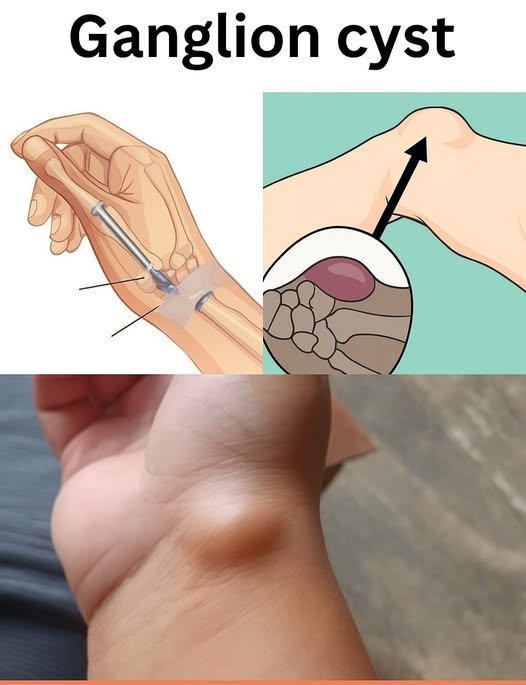
A wrist ganglion cyst is one of the most common benign lumps that develops around the wrist joint. Although it is generally not dangerous, the cyst can cause discomfort, restrict movement, or become a cosmetic concern for some people. Understanding what causes a wrist ganglion cyst, how it is diagnosed, and the available treatment options can help patients make informed decisions about their care.
What Is a Wrist Ganglion Cyst?
A wrist ganglion cyst is a noncancerous, fluid-filled sac that forms near a joint or tendon sheath. It develops when synovial fluid, which normally lubricates joints and tendons, collects inside a small sac beneath the skin. The cyst is usually round or oval and most commonly appears on the back of the wrist, although it can also develop on the palm side or around the fingers.
Ganglion cysts vary in size and may become larger after repetitive wrist activity. In many cases, they are painless, but larger cysts or those pressing on nearby nerves can lead to discomfort or numbness.
What Causes a Wrist Ganglion Cyst?
The exact cause of wrist ganglion cysts remains unclear. However, healthcare professionals believe several factors may contribute to their development, including repetitive stress on the wrist, previous injuries, joint or tendon irritation, osteoarthritis affecting nearby joints, inflammatory joint conditions, and weakness in the joint capsule or tendon sheath. While these factors may increase the likelihood of developing a cyst, many cases occur without an obvious cause.
Common Symptoms
The most noticeable symptom is a visible lump near the wrist joint. The cyst may feel soft or firm depending on the amount of fluid it contains. Many ganglion cysts cause no pain, but symptoms can include mild aching, discomfort during movement, reduced wrist flexibility, tingling or numbness if nearby nerves are compressed, and changes in cyst size after physical activity. The severity of symptoms does not always correspond to the size of the cyst, as even small cysts may cause significant discomfort if located near sensitive structures.
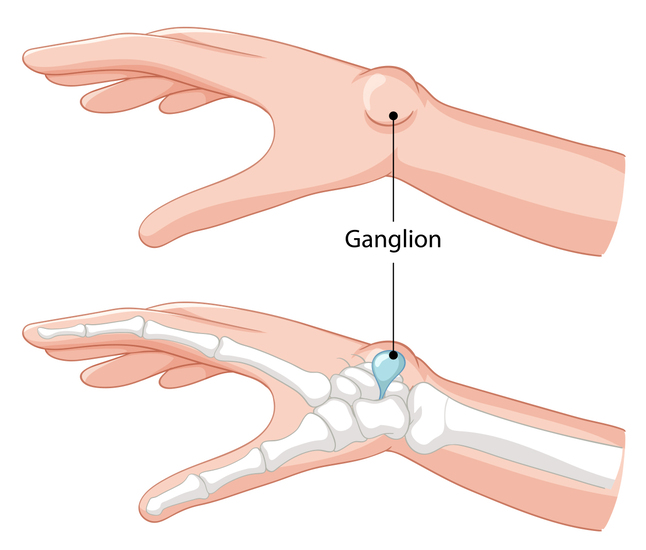
How Is a Wrist Ganglion Cyst Diagnosed?
Diagnosis typically begins with a physical examination. A healthcare provider will assess the location, size, consistency, and mobility of the lump while evaluating wrist movement and symptoms. If additional evaluation is needed, imaging studies such as ultrasound or magnetic resonance imaging (MRI) may be recommended to confirm the diagnosis and distinguish the cyst from other soft tissue masses. In selected cases, aspiration or biopsy may be considered if there is uncertainty about the diagnosis.
Treatment Options
Treatment depends on the size of the cyst, the severity of symptoms, and its impact on daily activities.
Observation
Many ganglion cysts require no immediate treatment. If the cyst is small, painless, and does not interfere with wrist function, doctors may recommend simple observation because some cysts decrease in size or resolve without intervention.
Conservative Management
For patients experiencing mild symptoms, conservative treatment may include temporary wrist immobilization with a brace or splint, activity modification to reduce repetitive stress, over-the-counter pain relievers when appropriate, and physical therapy exercises designed to maintain wrist mobility and strength.
Aspiration
If the cyst becomes painful or significantly enlarged, a physician may recommend aspiration. This procedure uses a needle to remove the fluid from the cyst. Although aspiration can provide symptom relief, recurrence is relatively common because the cyst wall remains intact.
Surgical Removal
Surgery may be considered when the cyst repeatedly returns, causes persistent pain, compresses nerves, or significantly limits wrist function. During surgery, the surgeon removes both the cyst and its connection to the joint or tendon sheath, reducing the likelihood of recurrence compared with aspiration alone.

Are Regenerative Therapies an Option?
Some medical centers have explored regenerative medicine techniques, including platelet-rich plasma (PRP) injections, for various musculoskeletal conditions. However, current scientific evidence supporting PRP specifically for wrist ganglion cysts remains limited. At present, PRP is not considered a standard treatment for ganglion cysts in most international clinical guidelines. Patients interested in regenerative therapies should discuss the potential benefits, limitations, and available evidence with a qualified orthopedic or hand specialist.
When Should You See a Doctor?
Medical evaluation is recommended if the lump grows rapidly, causes persistent pain, limits wrist movement, produces numbness or weakness in the hand, or if there is uncertainty about the diagnosis. While ganglion cysts are usually benign, other conditions can present with similar symptoms and should be properly evaluated.
Can Wrist Ganglion Cysts Be Prevented?
There is no guaranteed way to prevent ganglion cysts. However, reducing repetitive strain on the wrist, using proper ergonomic techniques during work or sports, treating wrist injuries promptly, and maintaining good joint health may help lower the risk of irritation that could contribute to cyst formation.
Conclusion
A wrist ganglion cyst is a common and typically benign condition that often develops near the wrist joint or tendon. Although many cysts cause few or no symptoms, others may lead to discomfort or interfere with daily activities. Fortunately, several effective management options are available, ranging from simple observation to aspiration or surgical removal when necessary. Ongoing research continues to explore new treatment approaches, but current medical recommendations emphasize individualized care based on symptoms and functional needs. As with many health conditions, understanding the available evidence and consulting a qualified healthcare professional are key to making informed decisions. Human curiosity continues to drive advances in medical science, helping researchers improve diagnosis and treatment for conditions that affect everyday life.
Sources
- American Academy of Orthopaedic Surgeons (AAOS). Ganglion Cyst of the Wrist and Hand.
- American Society for Surgery of the Hand (ASSH). Ganglion Cysts.
- Mayo Clinic. Ganglion Cyst: Symptoms and Causes.
- National Health Service (NHS). Ganglion Cyst.
- MedlinePlus. Ganglion Cysts.