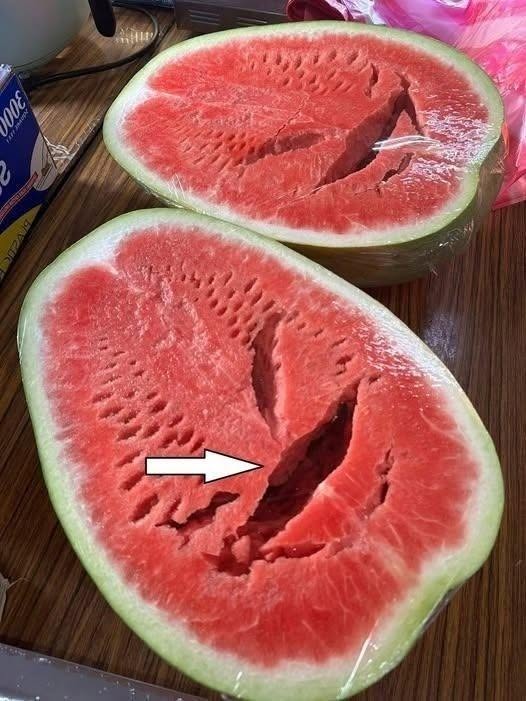
Few summer treats are as refreshing as a ripe watermelon. But occasionally, cutting into one reveals deep cracks, hollow spaces, or unusual patterns in the flesh. For many people, this unexpected sight can be concerning, especially after seeing social media posts suggesting that internal cracks are always linked to chemicals or unsafe growing practices.
In reality, experts say that not every cracked watermelon is a health concern. Internal cracking can occur for several natural reasons, and in many cases, the fruit remains perfectly edible if it shows no signs of spoilage.
Understanding why these cracks form can help separate common growing characteristics from genuine signs that a watermelon should be discarded.
Why Do Some Watermelons Crack Inside?
Internal cracks, sometimes called hollow heart, can develop during the growing process.
Several natural factors may contribute, including:
- Rapid growth after periods of dry weather
- Irregular watering
- Sudden temperature changes
- Natural variation during fruit development
- Physical impacts during harvesting or transportation
- Overripeness
These conditions may cause the flesh to separate in certain areas, creating cracks or hollow spaces without necessarily affecting food safety.
In many cases, the fruit simply has a slightly different texture or sweetness.
What Is Hollow Heart?
One of the most common explanations for internal cracking is a condition known as hollow heart.
Hollow heart occurs when the inside of the watermelon develops empty spaces or splits as it grows.
Agricultural experts note that this condition is generally considered a quality issue rather than a food safety issue.
Watermelons with hollow heart may be:
- Slightly less crisp
- Less uniform in texture
- Somewhat less sweet in affected areas
However, they are often still suitable for eating if the fruit is otherwise fresh.

What About Chlorfenuron?
One substance sometimes mentioned in discussions about cracked watermelons is chlorfenuron.
Chlorfenuron is a plant growth regulator that promotes cell division and can increase fruit size in certain crops.
Its use varies around the world.
Some countries allow carefully regulated applications under specific agricultural guidelines, while others have chosen not to approve its use on certain food crops.
Because regulations differ, consumers may encounter varying information depending on where they live.
Does Chlorfenuron Automatically Make Watermelon Unsafe?
Current scientific evidence does not support the idea that every watermelon with internal cracks has been treated with chlorfenuron.
Likewise, cracks alone do not prove that any growth regulator was used.
Researchers continue studying the long-term effects of various agricultural chemicals, and food safety authorities establish regulations based on available scientific evidence and safety assessments.
Animal studies have observed adverse effects only at exposure levels far higher than those expected from normal dietary consumption. However, scientists continue to evaluate these substances as additional research becomes available.

How to Choose a Good Watermelon
Several simple observations may help when selecting a watermelon.
Look for fruits that:
- Feel heavy for their size
- Have a creamy yellow field spot where they rested on the ground
- Have a firm, undamaged rind
- Show a dry stem if still attached
- Are free of large soft spots or major external damage
While these signs cannot guarantee perfect quality, they often indicate good ripeness.
What Should You Check After Cutting It Open?
Once the watermelon is sliced, your senses provide valuable information.
A fresh watermelon should generally have:
- Bright-colored flesh
- A clean, mildly sweet aroma
- Firm, crisp texture
- Refreshing flavor
Small internal cracks alone are usually not a reason for concern if everything else appears normal.
When Should You Throw It Away?
A watermelon should be discarded if it shows clear signs of spoilage.
These may include:
- Sour or fermented odor
- Slimy texture
- Visible mold
- Unusual discoloration
- Off or unpleasant taste
Spoiled produce can pose a greater food safety concern than naturally occurring internal cracks.
When in doubt, it is safest not to consume fruit that appears spoiled.
Storing Watermelon Safely
Proper storage helps maintain freshness after cutting.
Food safety experts generally recommend:
- Refrigerating cut watermelon promptly
- Keeping it in a clean, covered container
- Consuming it within several days
- Avoiding prolonged storage at room temperature
These simple practices help preserve quality and reduce the risk of bacterial growth.
Understanding Cosmetic Imperfections
Many fruits and vegetables develop natural imperfections during growth.
Examples include:
- Hollow apples
- Split tomatoes
- Curved carrots
- Misshapen cucumbers
- Hollow watermelons
These variations often affect appearance more than safety.
Learning to distinguish cosmetic differences from true spoilage can help reduce unnecessary food waste.
Conclusion
Finding cracks inside a watermelon can be surprising, but they are not automatically a sign that the fruit is unsafe to eat. Natural growing conditions, weather changes, and normal variations in development can all contribute to hollow spaces or internal splits. If the watermelon smells fresh, has a firm texture, and shows no signs of spoilage, minor internal cracking is generally considered a quality issue rather than a health concern.
When evaluating fresh produce, using your senses alongside guidance from trusted food safety authorities is often the best approach. By understanding the difference between cosmetic imperfections and genuine warning signs, consumers can make informed decisions with greater confidence.
Human curiosity naturally leads us to question unusual discoveries, even in everyday foods. Looking beyond appearances reminds us that nature often produces variations that are both fascinating and perfectly normal.
Sources
- World Health Organization (WHO). Food Safety.
- U.S. Food and Drug Administration (FDA). Safe Handling of Fresh Fruits and Vegetables.
- U.S. Department of Agriculture (USDA). Watermelon Production and Quality.
- University of Florida IFAS Extension. Hollow Heart in Watermelon.
- Texas A&M AgriLife Extension. Watermelon Growing and Fruit Quality.