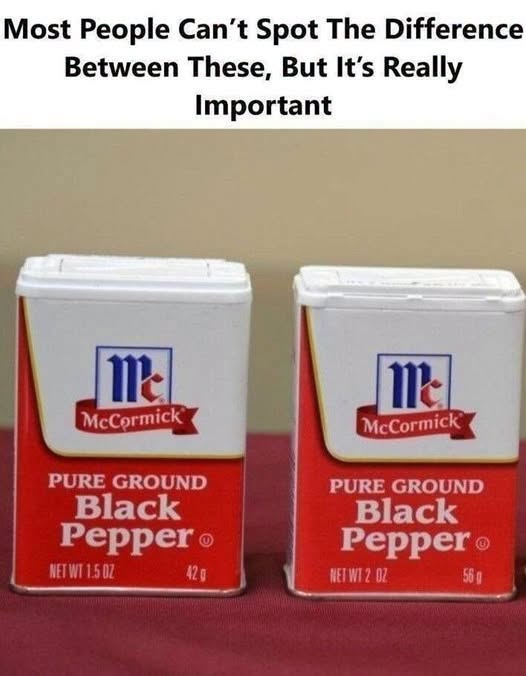
When shoppers pick up a product from a store shelf, they often make quick judgments based on familiar brands, pricing, and packaging. While labels provide important information, the size and appearance of a container can also influence purchasing decisions.
That principle is at the center of a legal dispute involving McCormick & Company, one of the world’s largest spice manufacturers, and competitor Watkins Incorporated. The case has drawn attention to the practice commonly known as slack-fill—the empty space inside a product’s package—and whether certain packaging designs could create misleading impressions for consumers.
Although the lawsuit focuses on ground black pepper, it also raises broader questions about transparency, packaging design, and consumer expectations.
What Is the Lawsuit About?
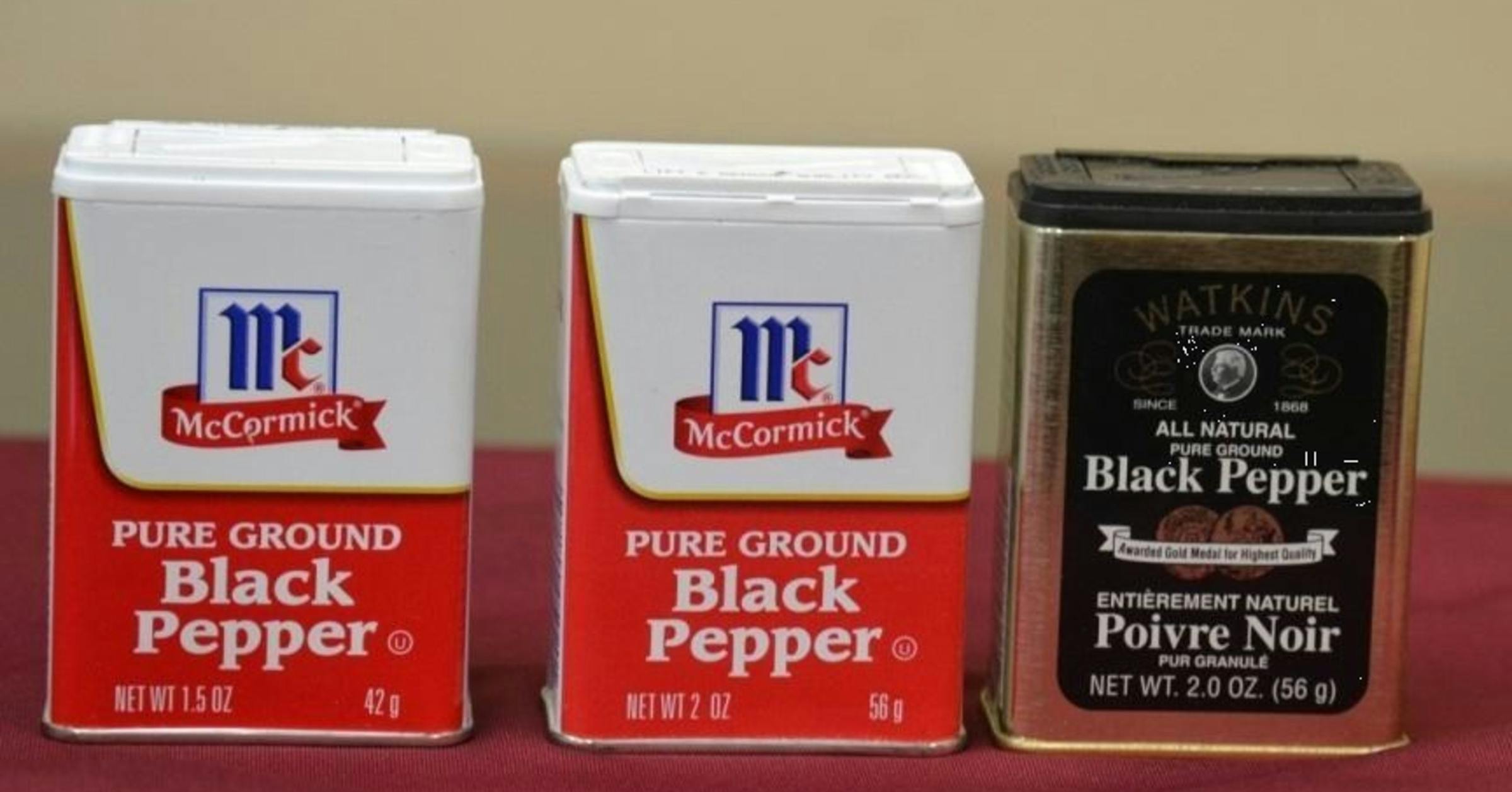
According to the lawsuit, Watkins alleges that McCormick reduced the amount of ground pepper in one of its products while keeping the container largely the same size.
The complaint states that the product quantity changed from 8 ounces to 6 ounces, while the container’s appearance remained similar.
Watkins argues that this packaging could lead some consumers to believe they are purchasing more product than is actually inside.
The lawsuit seeks to determine whether the packaging could reasonably be considered misleading under applicable consumer protection laws.
McCormick disputes these allegations.
Understanding “Slack-Fill”
The term slack-fill refers to the empty space inside a package.
Not all slack-fill is considered inappropriate. In many cases, empty space serves legitimate purposes, including:
- Protecting products during shipping
- Allowing room for manufacturing processes
- Accommodating packaging machinery
- Preventing damage to fragile items
However, questions may arise when consumers believe the package size suggests a larger quantity of product than it actually contains.
Consumer protection regulations in many countries recognize that some empty space is necessary while also discouraging packaging that could mislead shoppers.
Why Packaging Matters
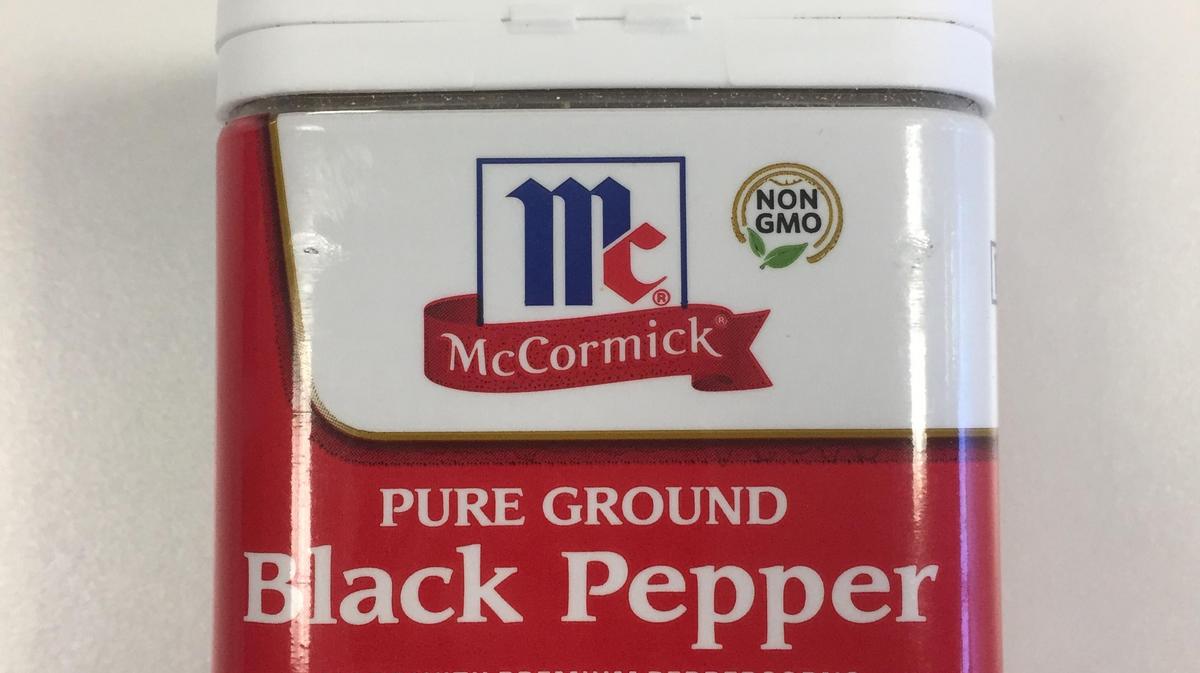
Packaging serves several important functions beyond simply holding a product.
It helps:
- Protect contents
- Display required information
- Support transportation
- Promote brand recognition
- Provide instructions and ingredient details
Because packaging strongly influences purchasing decisions, companies invest significant effort in its design.
At the same time, businesses are expected to present products in ways that allow consumers to make informed choices.
McCormick’s Response
McCormick has defended its packaging practices by stating that the product labels clearly identify the net weight of the contents.
The company maintains that consumers have access to accurate information through the labeling and can compare products based on the listed quantity.
As with many legal disputes, the case will ultimately depend on how the relevant laws are interpreted and how the evidence is evaluated.
Why Consumer Perception Is Important
Modern consumer protection laws often consider not only what information is technically available but also how an average shopper is likely to interpret a product’s presentation.
Packaging can influence perceptions about:
- Product quantity
- Value for money
- Quality
- Brand reliability
For this reason, companies carefully balance marketing objectives with legal requirements designed to promote transparency.
Brand Trust Takes Years to Build
Trust is one of a company’s most valuable assets.
Consumers often remain loyal to brands they believe consistently provide:
- Honest labeling
- Reliable quality
- Fair pricing
- Clear communication
Even relatively small changes in packaging can generate public discussion if customers feel the presentation does not match their expectations.
Maintaining confidence requires ongoing attention to both product quality and transparent communication.
Packaging Practices Across Industries
The questions raised in this case extend well beyond spices.
Discussions about package size and product quantity have appeared in many industries, including:
- Snack foods
- Breakfast cereals
- Cosmetics
- Household products
- Personal care items
As manufacturing costs change, companies sometimes adjust product sizes while attempting to maintain familiar packaging or pricing.
Consumers are increasingly encouraged to compare products using information such as net weight, unit price, and serving size rather than relying solely on container dimensions.
What Consumers Can Do
Regardless of the outcome of any individual case, shoppers can make more informed purchasing decisions by:
- Reading the net weight listed on the label
- Comparing unit prices when available
- Looking beyond package size
- Checking serving information
- Comparing similar products across brands
These habits can provide a clearer understanding of product value.
The Bigger Picture
The legal dispute between McCormick and Watkins reflects an ongoing conversation about transparency in consumer products.
While companies seek to balance manufacturing, branding, and marketing considerations, consumers increasingly expect packaging that accurately represents what they are purchasing.
The outcome of this and similar cases may help clarify how packaging practices are evaluated under consumer protection laws in the future.

Conclusion
The lawsuit involving McCormick and Watkins highlights the important role packaging plays in shaping consumer expectations. At its core, the dispute is not only about the amount of pepper inside a container but also about how product presentation influences purchasing decisions and trust.
As legal proceedings continue, no final conclusions should be drawn about the claims until the courts have reached a decision. Regardless of the outcome, the case serves as a reminder that clear labeling, thoughtful packaging, and transparent communication remain essential to maintaining strong relationships between businesses and consumers.
Human curiosity often begins with everyday products on store shelves. Looking more closely at something as simple as a spice container reveals the complex balance between marketing, regulation, and consumer confidence.
Sources
- U.S. Food and Drug Administration (FDA). Food Labeling Guide.
- Federal Trade Commission (FTC). Truth in Advertising.
- National Institute of Standards and Technology (NIST). Uniform Packaging and Labeling Regulation.
- Cornell Law School Legal Information Institute. Consumer Protection Law Resources.
- Consumer Brands Association. Packaging and Consumer Information.