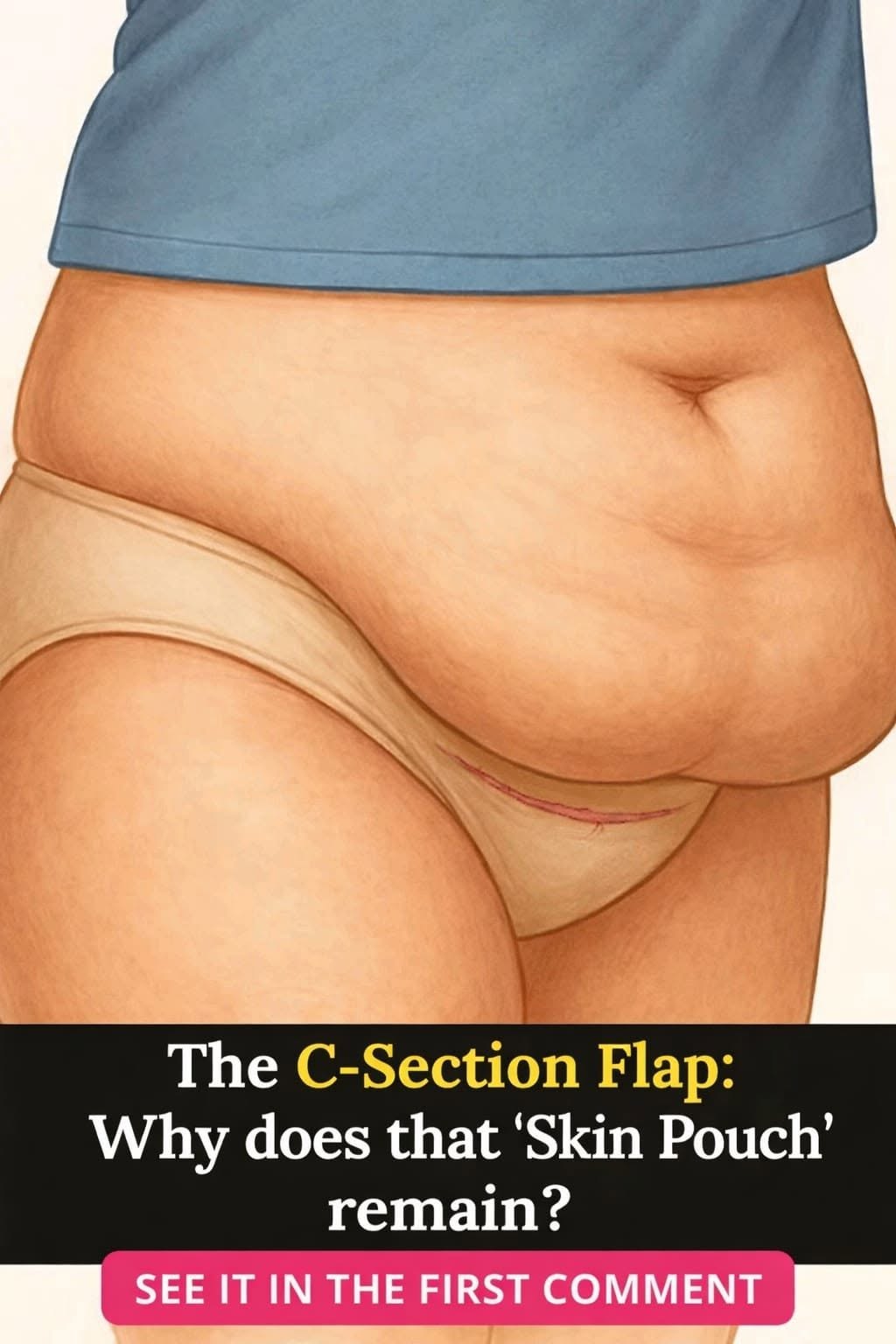
For many women, recovery after a cesarean birth includes physical changes that may last for months or even longer. One common change is a small fold of skin and soft tissue that appears just above the surgical scar. Often referred to as a “C-section shelf” or “C-section overhang,” this is a normal part of healing for many people.
Although it is very common, the appearance of this fold can sometimes affect confidence or cause mild discomfort, leading many women to wonder why it develops and whether it can be improved. Understanding the reasons behind this change can help you make informed decisions about your recovery and overall well-being.
What Is a C-Section Shelf?
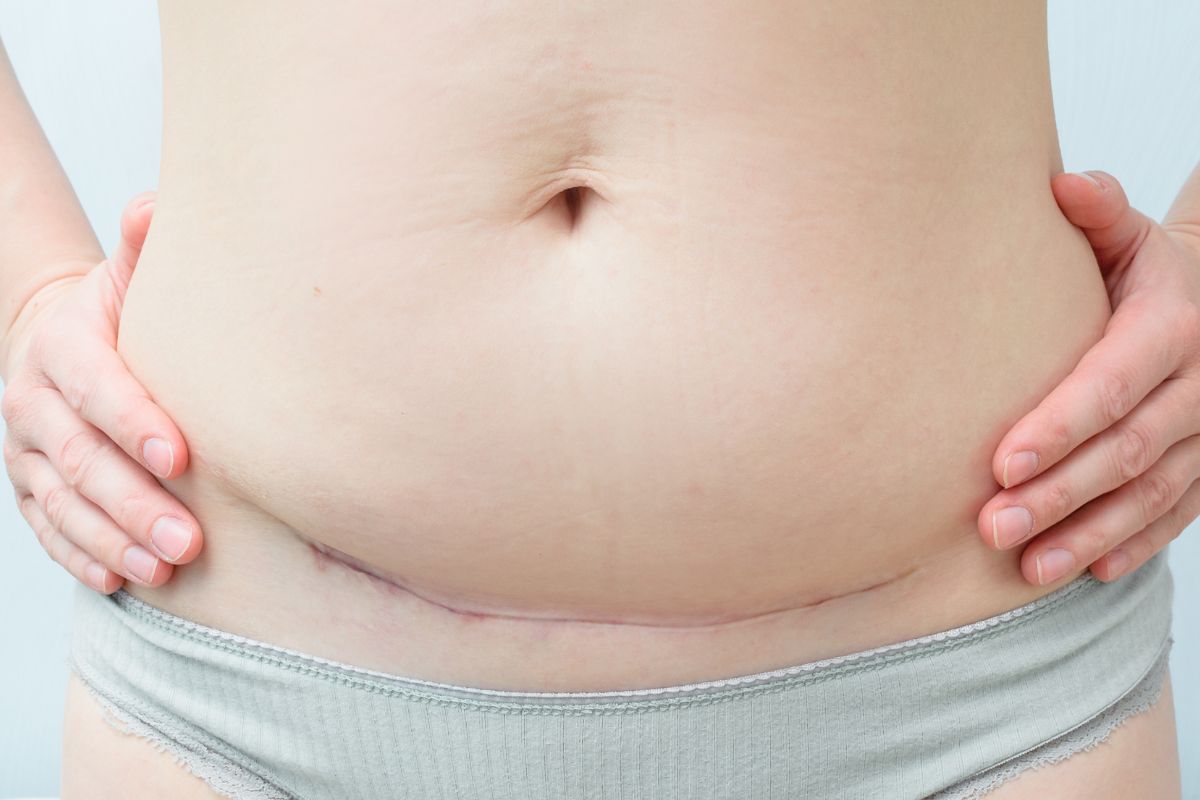
A C-section shelf is a small fold or ridge of skin and underlying tissue that sits above the cesarean incision. It develops as the skin, fat, and connective tissues heal after surgery.
The appearance varies from person to person. For some women, it is barely noticeable, while for others it may be more prominent depending on several factors, including body composition, skin elasticity, and the healing process.
Importantly, a C-section shelf is not usually a medical problem. It is a common result of abdominal surgery and does not necessarily indicate that the incision healed incorrectly.
Why Does It Happen?
Several factors can contribute to the development of a C-section shelf, including:
Healing of the Surgical Incision
During a cesarean delivery, multiple layers of tissue are carefully opened and then closed. As these layers heal, scar tissue forms, and the skin may settle differently than before surgery.
Changes in Connective Tissue
Scar tissue is less flexible than normal tissue. This difference can create a slight change in the contour of the lower abdomen.
Pregnancy-Related Changes
Pregnancy stretches the skin and abdominal muscles. After birth, these tissues gradually recover, but they may not return to exactly the same shape they had before pregnancy.
Body Fat Distribution
Natural fat deposits in the lower abdomen can make the fold more noticeable, particularly during the early stages of recovery.
Skin Elasticity
Age, genetics, and individual skin elasticity all influence how the abdomen heals following surgery.
Is It Normal?
Yes. A C-section shelf is a common part of recovery for many women.
While some people notice improvement over time as swelling decreases and tissues continue to heal, others may continue to have a visible fold even after complete recovery.
Every healing journey is unique, and there is no “correct” appearance for a post-cesarean abdomen.
Can It Be Improved?
Although there is no instant solution, several healthy habits may help improve abdominal strength and overall appearance over time:
-
Follow your healthcare provider’s recommendations during recovery.
-
Begin gentle physical activity only after receiving medical clearance.
-
Strengthen the core with exercises approved by your healthcare professional or physical therapist.
-
Maintain a balanced diet that supports healing and overall health.
-
Stay hydrated and give your body time to recover.
Some women also benefit from scar massage once the incision has fully healed, but this should only be started after discussing it with a healthcare provider.
When Should You Speak With a Healthcare Professional?
While a C-section shelf itself is generally not a cause for concern, you should contact your healthcare provider if you notice:
-
Persistent or increasing pain around the scar.
-
Redness, swelling, or warmth near the incision.
-
Drainage or signs of infection.
-
A bulge that becomes painful or changes suddenly.
-
Concerns about your healing process.
Your healthcare provider can determine whether these symptoms are part of normal healing or require further evaluation.
A Gentle Reminder
A cesarean section is major abdominal surgery, and healing takes time. The changes your body experiences afterward are part of a remarkable recovery process that allowed you to bring new life into the world.
If you are concerned about the appearance of your abdomen, remember that recovery looks different for everyone. Focusing on gradual healing, healthy habits, and regular follow-up with your healthcare provider is often the best approach.
Every scar tells a story of strength, and your body deserves patience and care as it continues to heal.