One morning, you catch your reflection in the mirror and notice a few small brown spots that weren’t there before. It’s a common experience, especially after years of sun exposure or as skin naturally changes with age. While there are many skincare products designed to address uneven pigmentation, some people also explore simple home remedies made from everyday ingredients.
One ingredient that often appears in DIY skincare recipes is baking soda. Affordable, easy to find, and commonly used around the home, baking soda has gained attention as a gentle exfoliating ingredient. But can it really help improve the appearance of dark spots?
Here’s what you should know, along with several easy recipes that many people include in their at-home skincare routines.
Why Do Dark Spots Appear?
Dark spots, also known as hyperpigmentation, develop when certain areas of the skin produce more melanin than surrounding tissue. Common causes include:
-
Sun exposure
-
Natural skin aging
-
Previous acne or minor skin irritation
-
Hormonal changes
Although home remedies may improve the appearance of the skin for some people, results vary depending on the cause and depth of the pigmentation.
How Baking Soda May Support Skin Care
Scientific evidence showing that baking soda directly lightens dark spots is limited. However, some people find it helpful as an occasional exfoliant because it can:
Gently Remove Dead Skin Cells
Exfoliation helps lift away dead surface cells, allowing fresher skin to appear. This may gradually improve the look of uneven skin tone over time.
Promote Skin Renewal
Regular—but not excessive—exfoliation encourages the skin’s natural renewal process, which may help improve overall texture.
Refresh the Complexion
By removing surface buildup, baking soda may temporarily leave skin looking smoother and brighter.
Help Keep Skin Clean
Its mild cleansing properties can help remove dirt and excess oil when used carefully.
Important: Baking soda is naturally alkaline and may disrupt the skin’s protective barrier if used too often. People with sensitive or dry skin should use it sparingly and discontinue use if irritation occurs.
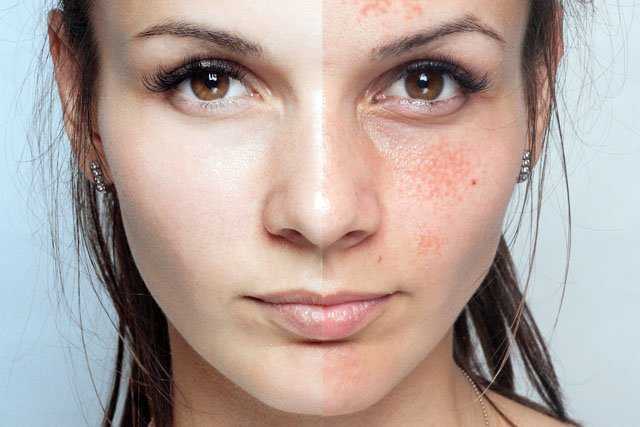
Recipe 1: Simple Baking Soda Exfoliating Scrub
This basic scrub is designed to gently exfoliate the skin.
Ingredients
-
1 tablespoon baking soda
-
Enough water to form a smooth paste
Directions
Mix the baking soda with a small amount of water until a paste forms.
Using clean fingertips, gently massage the paste onto the affected area with light circular motions for about one minute.
Rinse thoroughly with lukewarm water and pat the skin dry.
Finish by applying a fragrance-free moisturizer.
Use: No more than once a week.
Recipe 2: Baking Soda and Lemon Mask
Lemon contains vitamin C and natural fruit acids that are often included in brightening skincare products. However, lemon juice may irritate the skin and increase sensitivity to sunlight.
Ingredients
-
1 tablespoon baking soda
-
1 teaspoon fresh lemon juice
-
1 teaspoon water (optional to dilute)
Directions
Combine the ingredients into a smooth mixture.
Apply only to areas with uneven pigmentation.
Leave on for approximately 5–10 minutes.
Rinse thoroughly with lukewarm water.
Apply moisturizer afterward.
Safety Tip: Because lemon juice may increase sun sensitivity, use this treatment only in the evening and apply a broad-spectrum sunscreen the following day.

Recipe 3: Baking Soda and Honey Mask
Honey is well known for its moisturizing and soothing properties, making it a popular ingredient for dry or sensitive skin.
Ingredients
-
1 tablespoon baking soda
-
1 tablespoon pure honey
Directions
Mix until smooth.
Apply a thin layer to clean skin.
Leave on for 10–15 minutes.
Rinse with warm water.
Follow with moisturizer.
This recipe may leave skin feeling softer while providing gentle exfoliation.
Recipe 4: Baking Soda and Yogurt Mask
Plain yogurt contains lactic acid, an alpha hydroxy acid (AHA) that provides mild exfoliation.
Ingredients
-
1 tablespoon baking soda
-
2 tablespoons plain yogurt
Directions
Mix thoroughly.
Spread evenly over the affected area.
Leave on for 10 minutes.
Rinse with lukewarm water.
Apply moisturizer afterward.
Many people prefer this combination because yogurt may feel more soothing than stronger exfoliating ingredients.
Tips for Safe Use
Before trying any homemade skincare treatment, keep these precautions in mind:
-
Perform a patch test on a small area of skin 24 hours before first use.
-
Avoid applying baking soda to broken, irritated, or sunburned skin.
-
Stop using the mixture if redness, burning, or discomfort develops.
-
Do not exfoliate more than once or twice per week.
-
Always moisturize after exfoliating.
-
Wear sunscreen with SPF 30 or higher every day, as sun protection is one of the most effective ways to prevent new dark spots.
When to Consider Other Treatments
If dark spots are persistent or become darker over time, a dermatologist may recommend treatments such as:
-
Vitamin C serums
-
Niacinamide
-
Azelaic acid
-
Retinoids
-
Chemical peels
-
Laser treatments
These options have stronger scientific support for treating certain forms of hyperpigmentation and should be selected based on individual skin type and needs.
Final Thoughts
Baking soda remains a popular home remedy for people seeking simple, affordable skincare options. While its gentle exfoliating effect may help improve the appearance of skin texture for some individuals, there is limited scientific evidence that it directly fades dark spots.
If you choose to use baking soda, do so carefully, avoid overuse, and always protect your skin from the sun. Healthy skincare habits—including daily sunscreen, gentle cleansing, and consistent moisturizing—are often the most effective long-term approach to maintaining an even, healthy-looking complexion.