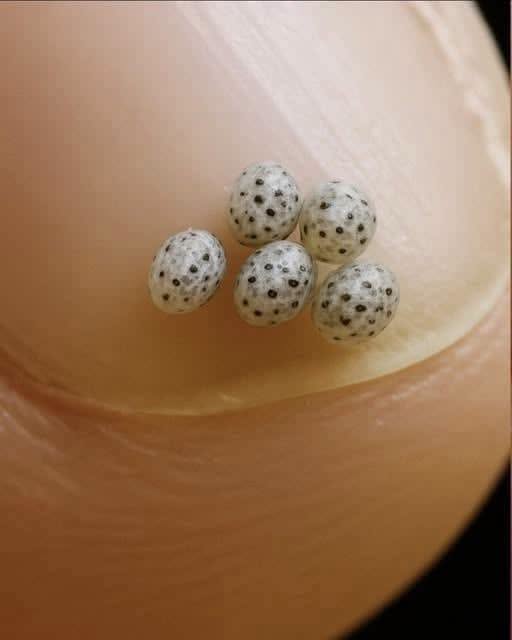
Imagine walking through a forest and noticing five tiny green spheres resting on a leaf or lying among the soil. They are perfectly round, smooth, and almost jewel-like, resembling miniature watermelons, colorful seeds, or polished beads.
At first glance, they might seem ordinary—or even decorative.
Yet these tiny objects are far more remarkable than they appear.
Rather than being seeds or small berries, they are stick insect eggs, carefully shaped by millions of years of evolution. Every detail of their appearance serves a purpose, helping the next generation survive in environments filled with natural challenges.
Their story is a fascinating reminder that some of nature’s most extraordinary adaptations are hidden in its smallest creations.
Meet the Masters of Camouflage
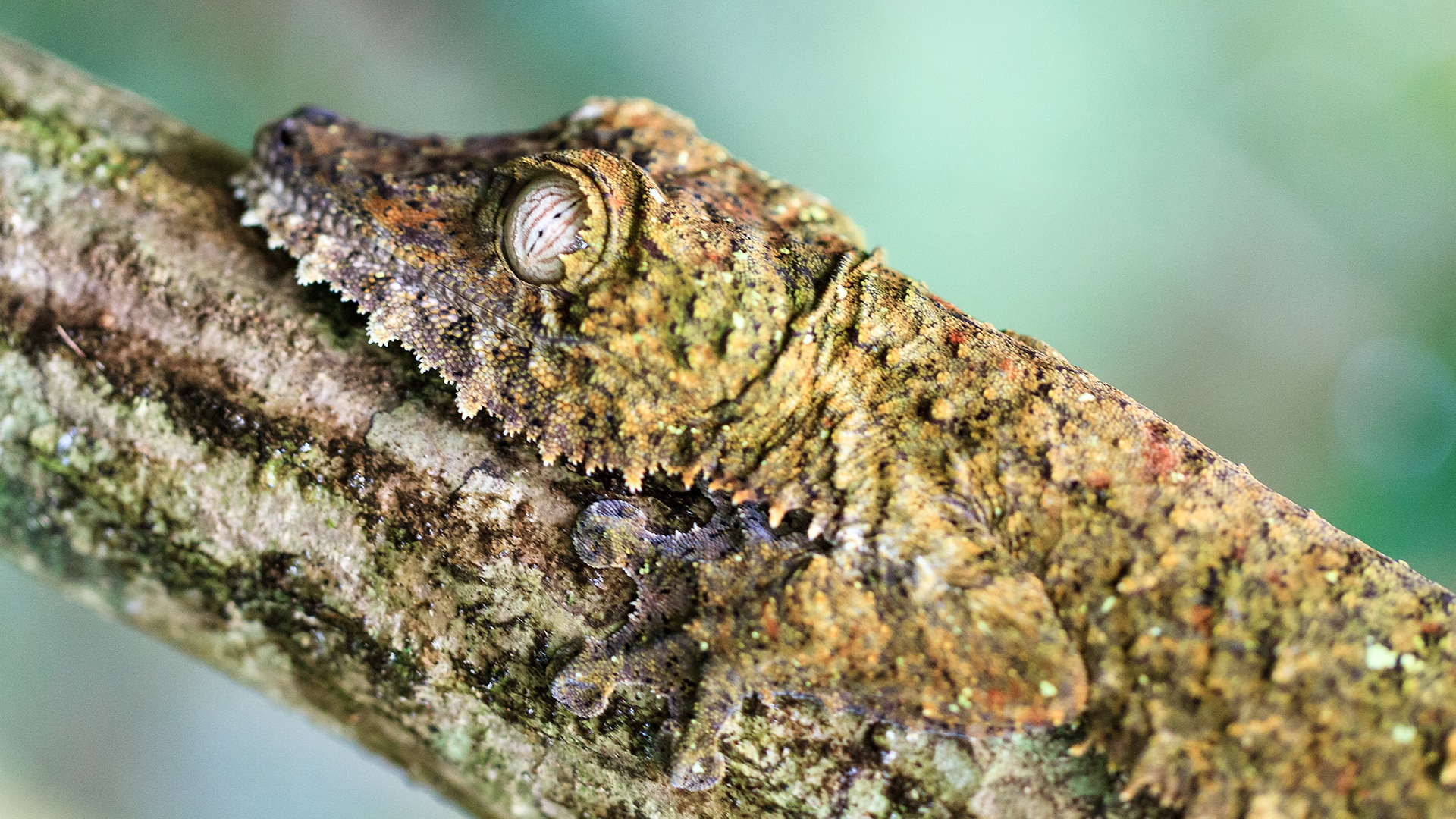
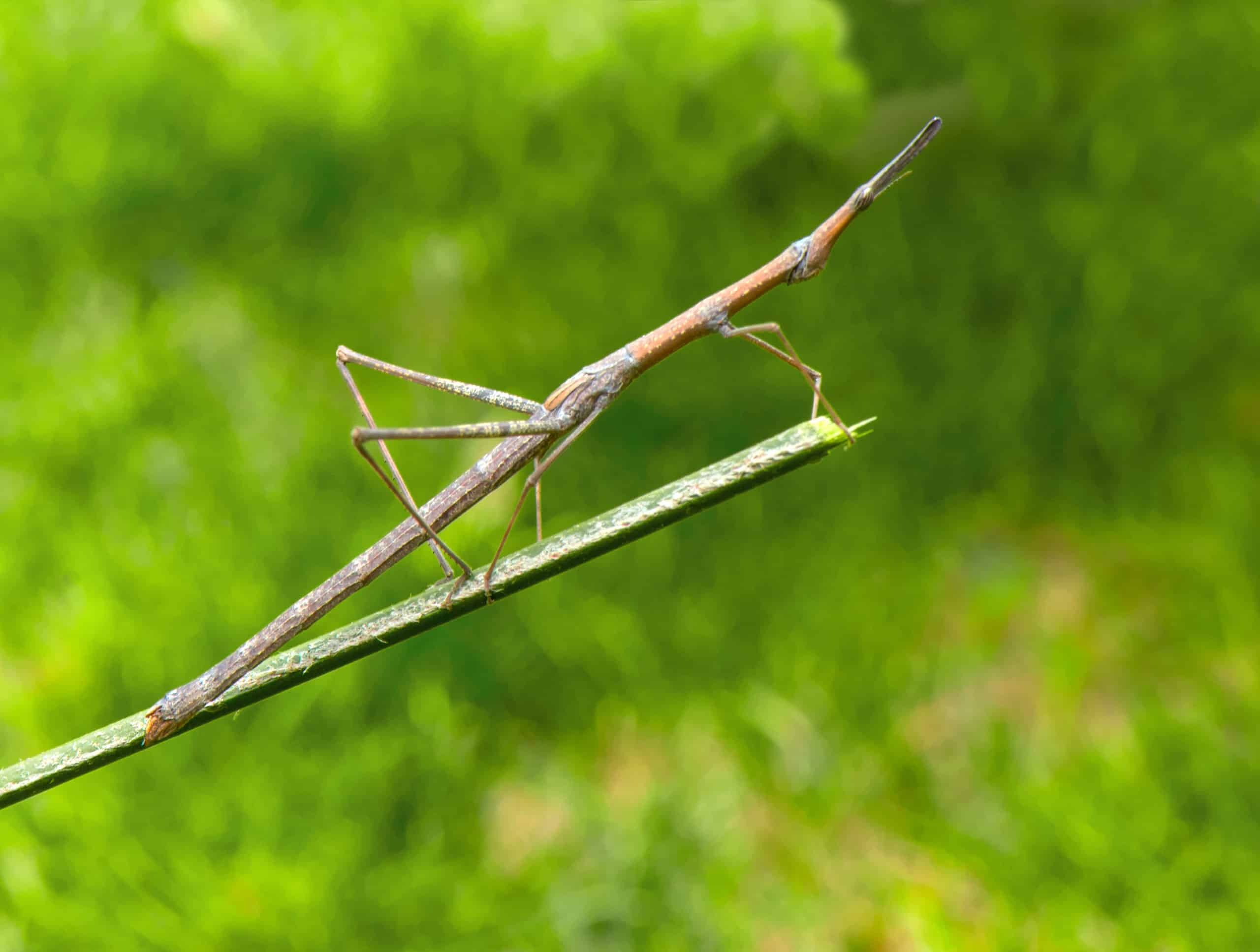
Stick insects, also known as walking sticks, are among nature’s greatest camouflage specialists.
Their long, slender bodies often resemble twigs, branches, or leaves so closely that they can remain almost invisible while resting among vegetation. This remarkable disguise helps them avoid many predators.
But their survival strategy doesn’t end with the adults.
Even before a young stick insect hatches, its egg has already begun its own carefully designed journey toward survival.
Why Stick Insects Don’t Guard Their Eggs
Many animals actively protect their young after laying eggs. Birds build nests, reptiles bury their eggs, and some insects guard developing offspring until they hatch.
Stick insects take a completely different approach.
After laying their eggs, female stick insects simply allow them to fall to the forest floor, often scattering them among leaves, twigs, and soil.
At first, this may seem risky.
However, this strategy is highly effective because the eggs themselves are specially adapted to survive without parental care.
Instead of relying on protection from adults, they rely on exceptional camouflage.
Nature’s Perfect Disguise
One of the most fascinating characteristics of stick insect eggs is how closely they resemble plant seeds.
Depending on the species, the eggs may display:
- Shades of green, brown, or gray
- Speckled or mottled patterns
- Smooth or textured surfaces
- Rounded or oval shapes
These features help them blend naturally into the forest floor, making them much harder for predators to detect.
To a bird searching for food among fallen leaves, the eggs may appear to be nothing more than ordinary seeds or tiny stones.
This remarkable mimicry greatly increases the chances that the eggs will remain undisturbed until hatching.

The Incredible Role of the Capitulum
Looking closely at a stick insect egg reveals another fascinating adaptation.
At one end of many eggs is a tiny structure known as the capitulum.
Although extremely small, this feature plays a surprisingly important role in the egg’s survival.
The capitulum contains nutrient-rich compounds that attract ants.
To the ants, it resembles a food reward.
To the stick insect, it represents an ingenious survival strategy.
A Clever Partnership With Ants
When ants discover a stick insect egg, they often carry it back to their nest.
At first glance, this may seem dangerous for the developing insect.
In reality, the opposite is often true.
Inside the nest, the ants consume only the nutritious capitulum while leaving the egg itself intact.
Once the small outer structure has been removed, the remaining egg is often discarded into the ants’ underground waste chambers or nearby protected areas.
These locations provide several important advantages:
- Protection from many predators
- Stable temperature
- Consistent humidity
- Reduced exposure to environmental hazards
Without realizing it, the ants help transport and safeguard the next generation of stick insects.
Scientists describe this fascinating interaction as a form of myrmecochory, a process more commonly associated with certain plant seeds that also rely on ants for dispersal.
Why This Strategy Works So Well
Forest floors are busy environments filled with animals searching for food.
Birds, small mammals, reptiles, and other insects constantly investigate leaves and soil.
A cluster of exposed insect eggs might quickly attract attention.
By resembling seeds and encouraging ants to move them underground, stick insect eggs gain multiple layers of protection.
Instead of depending on speed or strength, they survive through clever evolutionary adaptations.
It’s an elegant example of how natural selection can produce remarkably effective solutions.
Tiny Eggs With Remarkable Engineering
Although they measure only a few millimeters across, stick insect eggs possess surprisingly complex structures.
Their protective outer shell helps:
- Prevent water loss
- Shield the developing embryo
- Resist physical damage
- Regulate gas exchange
The shell must be strong enough to protect the embryo while remaining suitable for the young insect to emerge when development is complete.
Every part of the egg has evolved to support this delicate balance.
How Long Do Stick Insect Eggs Take to Hatch?
Development time varies depending on the species and environmental conditions.
Some stick insect eggs hatch after several weeks.
Others remain dormant for several months before conditions become favorable.
Temperature, humidity, and seasonal changes all influence when hatching occurs.
This flexibility allows young insects to emerge during periods when food is more abundant and environmental conditions are more suitable for survival.
The Importance of Camouflage in Nature
Stick insects are only one example of animals that rely on camouflage throughout their life cycle.
Across the natural world, countless species use similar strategies, including:
- Leaf insects that resemble foliage
- Butterfly chrysalises disguised as twigs
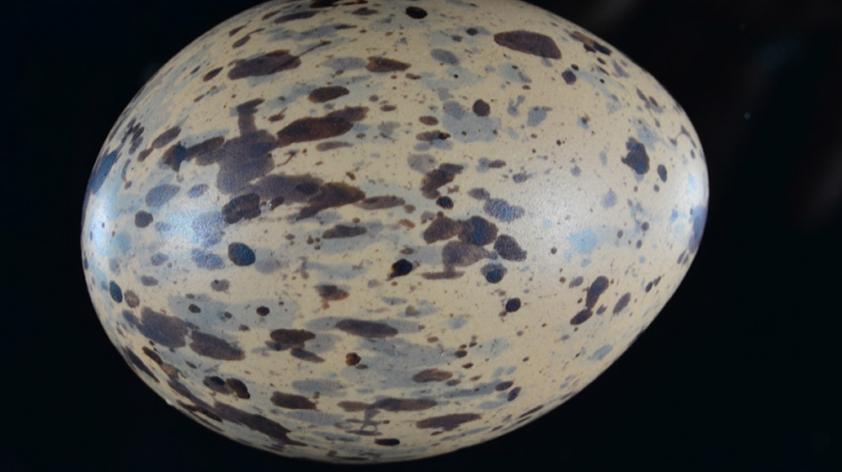
- Bird eggs patterned to match their nests
- Frogs whose skin blends into tree bark
- Caterpillars that mimic branches
These adaptations reduce the likelihood of being noticed, allowing animals to survive without relying on physical defenses.
Why Scientists Find Stick Insects So Fascinating
Researchers continue studying stick insects because they offer valuable insights into evolution, mimicry, and adaptation.
Their eggs demonstrate how even tiny structures can evolve highly specialized functions.
Studying these insects helps scientists better understand:
- Animal camouflage
- Predator-prey relationships
- Insect development
- Evolutionary biology
- Ecological interactions between species
Each discovery reveals another layer of complexity within seemingly ordinary forest ecosystems.
Looking More Closely at the Natural World
One of the greatest lessons offered by stick insect eggs is that appearances can be misleading.
Objects that seem simple at first glance often contain remarkable stories shaped by millions of years of evolution.
A tiny green sphere resting quietly among fallen leaves may actually represent an intricate survival strategy involving camouflage, chemical signals, and unexpected cooperation with ants.
Nature frequently rewards careful observation.
The closer we look, the more extraordinary familiar landscapes become.
Conclusion
The tiny green eggs of stick insects may resemble decorative beads or ordinary seeds, but they are actually remarkable examples of evolutionary adaptation. From their carefully patterned shells to the ingenious capitulum that attracts ants, every feature contributes to the survival of the next generation.
Rather than relying on parental care, stick insects trust a combination of camouflage, environmental design, and natural interactions with other species to protect their offspring. It is a strategy that has proven successful across countless generations.
Human curiosity has always inspired us to look beyond first impressions. By exploring the hidden stories behind even the smallest creatures, we gain a deeper appreciation for the creativity, resilience, and complexity of the natural world.
Sources
- Smithsonian National Museum of Natural History – Stick Insects: https://naturalhistory.si.edu
- San Diego Zoo Wildlife Alliance – Walking Stick Insects: https://animals.sandiegozoo.org
- Encyclopedia Britannica – Stick Insect: https://www.britannica.com/animal/stick-insect
- Australian Museum – Stick Insects and Their Eggs: https://australian.museum
- National Geographic – Insect Camouflage and Adaptation: https://www.nationalgeographic.com