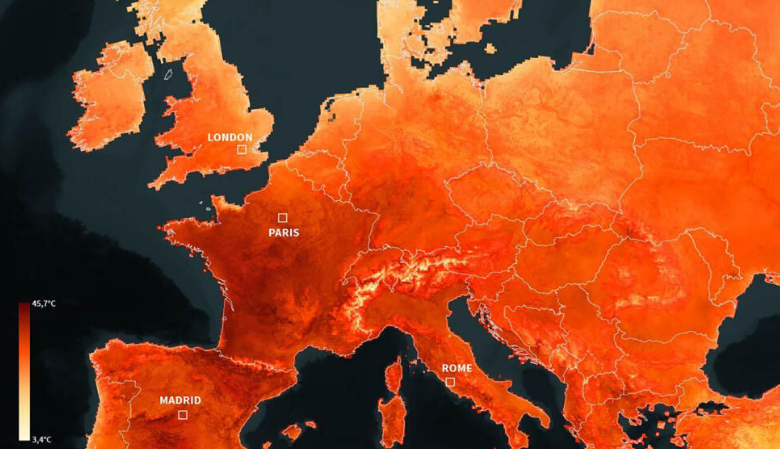
Summer often brings warm days that encourage outdoor activities, travel, and community events across Europe. However, when temperatures climb far above seasonal averages and remain elevated for extended periods, daily life can change dramatically. From public health challenges to increased pressure on transportation and energy systems, prolonged heat can affect nearly every aspect of society.
In June 2026, a widespread heatwave continued to impact large parts of Europe, prompting weather agencies to issue heat alerts across numerous countries. Officials have urged residents to remain informed, take sensible precautions, and follow local guidance as the unusually hot conditions persist.
Europe Faces an Extended Period of Extreme Heat
Meteorological agencies across Europe reported temperatures significantly above seasonal norms in many regions during June 2026.
The prolonged heat has affected countries across western, southern, central, and southeastern Europe, with several locations experiencing consecutive days of exceptionally warm weather. Authorities continue to monitor forecasts closely as weather conditions evolve.
Heat warnings have been issued in multiple countries to help residents prepare for potentially hazardous conditions, particularly during the hottest hours of the day.
Weather experts note that extended heatwaves differ from brief periods of hot weather because the lack of overnight cooling can place additional stress on people, infrastructure, and natural ecosystems.

Health Officials Encourage Heat Safety
Public health agencies have emphasized the importance of taking preventive measures during periods of extreme heat.
Officials recommend that residents:
- Drink plenty of water throughout the day.
- Limit strenuous outdoor activities during peak afternoon temperatures.
- Wear lightweight, breathable clothing.
- Spend time in shaded or air-conditioned environments whenever possible.
- Check regularly on older relatives, neighbors, and others who may need assistance.
Health professionals have highlighted that older adults, young children, and individuals with certain medical conditions may be more sensitive to prolonged heat exposure.
Many cities have expanded access to cooling centers and public facilities where residents can find relief during the hottest parts of the day.
Increased Demand Places Pressure on Energy Systems
As temperatures rise, electricity consumption typically increases because homes, businesses, hospitals, and public facilities rely more heavily on cooling systems.
Energy providers across several European countries have reported elevated demand during the ongoing heatwave.
Grid operators continue monitoring electricity supplies to maintain reliable service while balancing increased consumption.
Modern electrical systems are designed to manage fluctuations in demand, but prolonged periods of high temperatures can create additional operational challenges, particularly during peak afternoon hours.
Officials continue encouraging energy conservation where practical without compromising health and safety.
Transportation Networks Experience Heat-Related Challenges
Extreme temperatures can also affect transportation infrastructure.
Rail operators in several countries have reported service adjustments as high temperatures may influence rail equipment and track conditions.
Transportation authorities often introduce precautionary measures during intense heat, including temporary speed restrictions or additional inspections designed to maintain passenger safety.
Road maintenance teams also monitor highways and bridges during prolonged hot weather, particularly in areas where pavement temperatures rise significantly.
Air travel can occasionally experience operational adjustments as airports adapt to changing weather conditions, although most flights continue operating normally.
Elevated Wildfire Risk Across Southern Europe
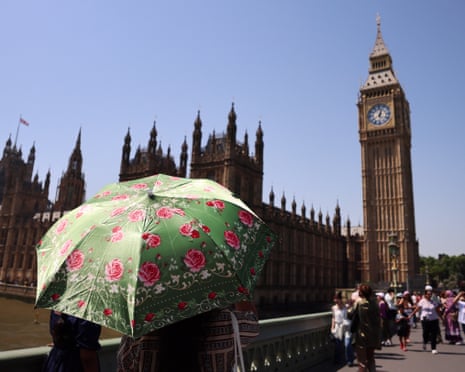
Hot, dry, and windy weather has increased wildfire risk in several parts of southern and southeastern Europe.
Fire services remain on heightened alert as environmental conditions create circumstances that may allow vegetation fires to spread more rapidly.
Authorities in some regions have advised residents to remain informed about local emergency guidance and to avoid activities that could unintentionally ignite dry vegetation.
Emergency management agencies continue monitoring weather forecasts, vegetation conditions, and fire behavior while preparing resources for rapid response if needed.
Officials have also encouraged travelers visiting rural or forested areas to follow local regulations regarding outdoor activities during periods of elevated fire risk.
Agriculture Faces Ongoing Challenges
The prolonged heat has also affected Europe’s agricultural sector.
Farmers across several regions are monitoring crops, livestock, and water supplies as temperatures remain unusually high.
Agricultural experts note that extended heat combined with limited rainfall can influence:
- Crop development
- Soil moisture
- Livestock comfort
- Irrigation needs
- Overall agricultural productivity
Water management authorities in some areas have introduced conservation measures to help protect essential water resources.
Reservoirs, rivers, and groundwater supplies are being monitored carefully as demand increases during the hot weather.
Understanding Heatwaves
A heatwave generally refers to an extended period during which temperatures remain significantly above the average for a particular location and season.
Several atmospheric conditions can contribute to heatwaves, including:
Persistent High-Pressure Systems
High-pressure systems often create stable weather conditions that limit cloud formation and allow strong sunshine to warm the surface over multiple days.
Dry Soil Conditions
When soil contains less moisture, more solar energy contributes directly to raising air temperatures rather than evaporating water.
Regional Weather Patterns
Large-scale atmospheric circulation can transport warm air across wide geographic areas, contributing to prolonged periods of above-average temperatures.
Meteorologists continually analyze these factors when forecasting the duration and intensity of heat events.
Climate Science and Extreme Heat
Climate scientists explain that individual heatwaves result from a combination of short-term weather patterns and broader climate influences.
Research published by numerous scientific organizations indicates that rising global average temperatures have increased the likelihood and intensity of extreme heat events in many parts of the world.
However, experts also emphasize that each individual heatwave develops through a unique combination of atmospheric conditions.
Scientists continue studying these interactions to improve forecasting capabilities and help communities prepare for future extreme weather events.
Community Preparedness During Hot Weather
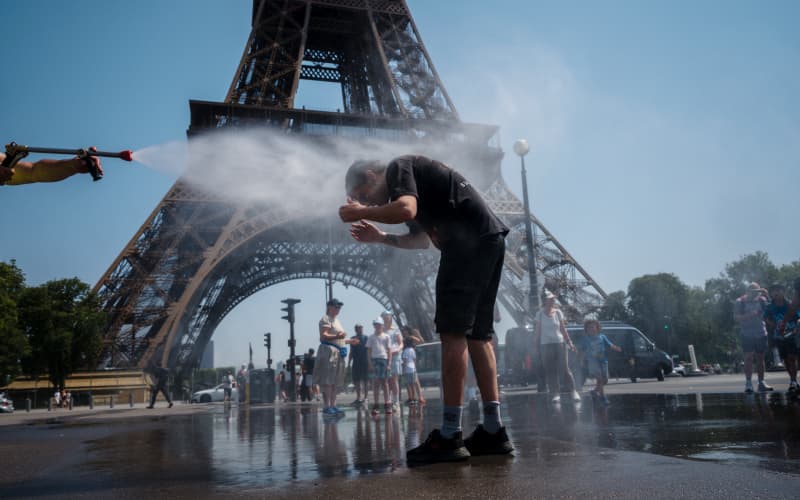
Many local governments across Europe have implemented heat action plans designed to protect public health.
These plans may include:
- Opening cooling centers
- Extending operating hours for public facilities
- Increasing outreach to vulnerable residents
- Providing public weather updates
- Coordinating emergency medical services
Public communication plays an important role during prolonged heatwaves by helping residents stay informed about changing weather conditions and recommended safety measures.
Looking Ahead
Forecasters expect elevated temperatures to continue across several parts of Europe over the coming days, although conditions may vary between regions.
Meteorological agencies continue issuing updated forecasts as weather patterns evolve.
Officials encourage residents to monitor official weather advisories, follow local guidance, and remain prepared for changing conditions, particularly in areas experiencing the highest temperatures or elevated wildfire risk.
As communities adapt to the ongoing heatwave, authorities remain focused on protecting public health, maintaining essential services, and supporting emergency response efforts where necessary.
Reflection on Human Curiosity
Extreme weather events naturally encourage people to ask questions about the forces shaping our planet and how societies can adapt to changing conditions. Human curiosity drives scientific research, improves weather forecasting, and inspires innovations that help communities prepare for future challenges. By combining careful observation, ongoing research, and practical preparedness, societies continue learning how to respond more effectively to periods of extreme heat.
Sources
- Reuters. Coverage of the June 2026 European heatwave and official government updates.
- Associated Press (AP). Reporting on weather conditions and public safety measures across Europe.
- World Meteorological Organization (WMO). Resources on heatwaves, climate, and weather forecasting.
- European Centre for Medium-Range Weather Forecasts (ECMWF). Meteorological data and forecasting information.
- World Health Organization (WHO). Guidance on heat-related health risks and public health preparedness.
- Copernicus Climate Change Service (C3S). Climate monitoring and analysis of temperature trends in Europe.*