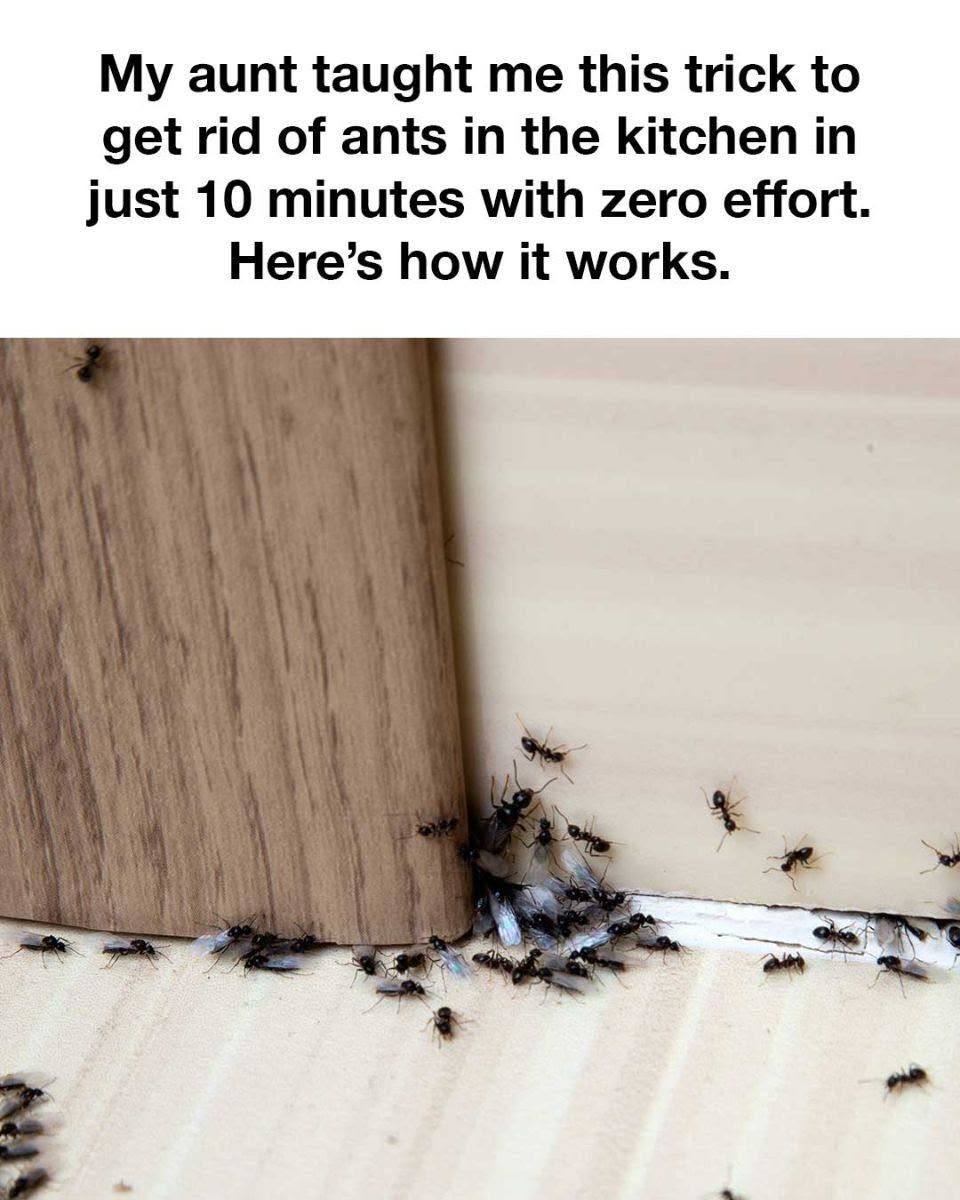
Few household pests are as persistent as ants. One small crumb or a drop of spilled syrup can quickly attract a trail of tiny visitors searching for food. Once ants discover a reliable food source, they leave behind scent trails that help other ants find the same location, making the problem seem to grow overnight.
Many homeowners prefer to avoid spraying chemical insecticides around food preparation areas, especially in kitchens. Fortunately, there are several practical, lower-toxicity approaches that can help reduce ant activity while keeping your home clean and safe.
Understanding Why Ants Keep Returning
Ants don’t enter homes randomly. They are constantly searching for three basic necessities:
- Food
- Water
- Shelter
Sweet foods, grease, pet food, fruit, and even tiny crumbs can attract scouting ants. Once one ant finds a food source, it communicates the location to the colony using chemical trails called pheromones.
Unless those trails are disrupted and the food source removed, more ants are likely to follow.

A Simple Homemade Ant Bait
One commonly recommended household approach uses a mixture of sugar and borax. The sugar attracts worker ants, while the borax can affect the colony over time as the bait is carried back to the nest.
You’ll need:
- 2 tablespoons sugar
- 1 tablespoon warm water
- ½ teaspoon borax
- Cotton balls or small pieces of cardboard
Instructions
- Dissolve the sugar in the warm water.
- Stir in the borax until fully mixed.
- Soak a cotton ball or place a small amount on a piece of cardboard.
- Position the bait near ant trails, but away from children and pets.
- Avoid spraying ants immediately, as allowing workers to carry the bait back to the colony may improve effectiveness.
Results often take several days rather than a few minutes, depending on the size and location of the colony.
Important Safety Note
Although borax is commonly used in homemade ant baits, it should not be considered harmless.
Always:
- Keep it out of reach of children.
- Prevent pets from accessing the bait.
- Avoid placing bait on food preparation surfaces.
- Wash hands after handling the mixture.
If children or pets may come into contact with the bait, consider using commercially available enclosed bait stations instead.
Other Natural Ways to Discourage Ants
While no single method works in every situation, these household practices can help make your kitchen less attractive to ants.
Clean Up Food Sources
Regularly wipe countertops, sweep floors, and store food in sealed containers. Even tiny crumbs can attract foraging ants.
Remove Scent Trails
Cleaning ant trails with a solution of equal parts vinegar and water may help reduce the pheromone trails that guide other ants.
Seal Entry Points
Inspect windows, doors, utility openings, and foundation cracks. Sealing small gaps can reduce the number of entry points into your home.
Manage Moisture
Some ant species are attracted to damp areas. Repairing leaking pipes and reducing excess moisture may help discourage them.
When to Consider Professional Help
If ants continue returning despite cleaning and baiting efforts, the colony may be located inside walls, beneath flooring, or outdoors near the home’s foundation.
A licensed pest management professional can identify the species involved and recommend targeted treatment if needed.
Prevention Is the Best Long-Term Strategy
Keeping ants out is usually easier than eliminating an established trail.
Good habits include:
- Wiping spills promptly.
- Emptying trash regularly.
- Storing pantry items in airtight containers.
- Cleaning under appliances periodically.
- Inspecting for cracks around doors and windows.
These simple steps reduce the food and shelter that attract ants in the first place.
Final Thoughts
Natural methods can be an effective first step for managing ants in the kitchen, especially when combined with good sanitation and prevention. While homemade baits may help reduce some infestations over time, they are not instant solutions, and success depends on the ant species and the location of the colony.
A clean kitchen, sealed entry points, and careful food storage remain the most reliable ways to keep these persistent visitors from making themselves at home.
Sources
- United States Environmental Protection Agency – Safer Pest Control
- University of California Integrated Pest Management – Ants
- University of Minnesota Extension – Ants in the Home
- Clemson Cooperative Extension – Household Ants
- National Pesticide Information Center