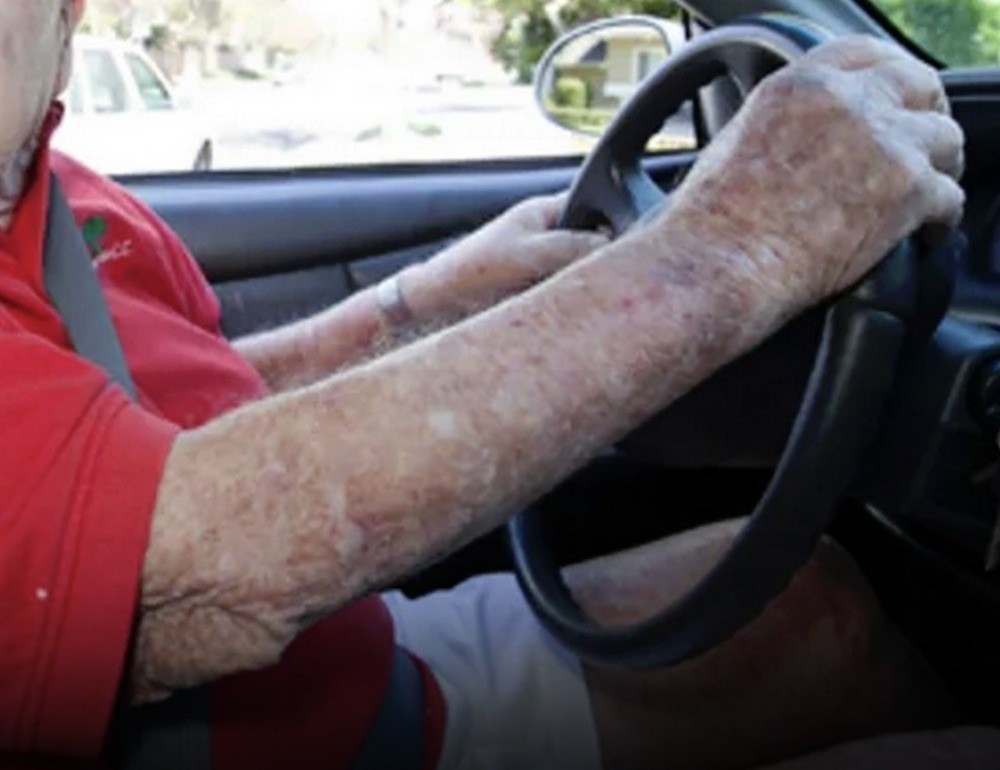
For many people, driving represents far more than transportation. It provides independence, supports daily routines, and allows older adults to remain connected with family, friends, healthcare services, and their communities. As populations around the world continue to age, an important public conversation has emerged: how can society balance road safety with the independence of senior drivers?
Recently, online discussions have suggested that drivers over the age of 70 could soon face major changes to their driving privileges. Such headlines have attracted widespread attention, but they often lack important context. In reality, policies regarding senior drivers vary significantly from one country to another, and most transportation experts agree that age alone is not the best measure of driving ability.
Instead, researchers, medical professionals, and road safety organizations increasingly support an approach based on individual health, functional ability, and regular assessments when appropriate. Understanding this broader perspective helps explain why the discussion continues to evolve.
Why the Topic Is Receiving Attention
Public interest in senior driving often increases after highly publicized traffic incidents involving older motorists.
These events naturally prompt questions about whether additional evaluations should be required as drivers grow older. However, transportation experts caution against drawing broad conclusions from isolated incidents.
Every road event has unique circumstances that may involve weather conditions, road design, visibility, vehicle factors, health conditions, or driver behavior. Looking at long-term traffic data provides a more accurate understanding than focusing on individual cases.
Does Age Automatically Make Someone an Unsafe Driver?
Most experts say no.
Chronological age does not automatically determine driving ability.
Many people remain capable, attentive, and safe drivers well into their later years, while others may experience health changes that affect their ability to drive safely at a younger age.
Organizations such as the World Health Organization (WHO) and transportation safety agencies emphasize that medical condition, vision, cognitive function, mobility, and reaction time are generally more meaningful indicators than age alone.
How Aging Can Affect Driving
Although aging affects everyone differently, some natural changes may influence driving performance.
These may include slower reaction times, reduced night vision, increased sensitivity to glare, hearing changes, decreased flexibility when checking blind spots, and slower recovery from unexpected situations.
Many of these changes occur gradually, allowing individuals and healthcare professionals to recognize them over time.
Importantly, these age-related changes vary widely, meaning many older adults continue driving safely for many years.

The Importance of Regular Health Checkups
Routine medical examinations become increasingly valuable as people age.
Eye examinations help identify changes in vision that may affect driving.
Hearing evaluations can detect reduced awareness of surrounding traffic.
Healthcare providers may also review medications that could influence alertness or coordination.
These preventive measures support overall health while helping drivers make informed decisions about their continued mobility.
How Different Countries Approach Senior Driver Licensing
There is no universal international rule requiring drivers over a specific age to stop driving.
Licensing policies vary considerably around the world.
Some countries require more frequent license renewals after a certain age.
Others request medical certificates or vision examinations.
Many jurisdictions continue renewing licenses without age-based testing unless medical concerns arise.
Transportation authorities generally aim to balance public safety with personal independence.
Technology Is Helping Older Drivers
Modern vehicles increasingly include safety technologies that assist drivers of all ages.
Common features include automatic emergency braking, lane departure warnings, blind-spot monitoring, adaptive cruise control, rear-view cameras, parking assistance, and collision alerts.
Research suggests these technologies can reduce driver workload and improve overall road safety when used appropriately.
Many senior drivers also choose vehicles with improved visibility, easier controls, and enhanced driver assistance systems.
Maintaining Safe Driving Habits
Road safety experts recommend several practical habits that support safe driving throughout life.
Schedule regular vision and hearing examinations.
Review medications with healthcare providers.
Avoid driving when tired or unwell.
Plan routes in advance.
Limit driving during poor weather or difficult nighttime conditions if necessary.
Continue practicing defensive driving techniques.
Participating in refresher driving courses may also help drivers remain confident while learning about new traffic regulations and vehicle technologies.
Mobility Beyond Driving
Eventually, some individuals may decide to reduce or stop driving because of health considerations.
Transportation planners increasingly emphasize the importance of maintaining mobility through alternative options such as public transportation, community shuttle services, ride-sharing programs, family support, cycling where appropriate, and walkable neighborhoods.
Maintaining independence involves access to reliable transportation, regardless of whether someone continues driving.
Challenging Stereotypes About Older Drivers
Discussions about senior driving sometimes unintentionally reinforce stereotypes.
Researchers note that older adults often compensate for age-related changes by driving more cautiously, avoiding challenging conditions, maintaining greater following distances, and reducing unnecessary travel during busy periods.
These adaptive behaviors can contribute positively to road safety.
Evaluating drivers individually rather than relying solely on age encourages fairer and more evidence-based decision-making.
The Role of Families
Family members can play an important role in supporting safe mobility.
Open conversations about health, driving confidence, and transportation needs often produce better outcomes than waiting until concerns become urgent.
Healthcare professionals, occupational therapists, and driving specialists can also provide objective assessments when questions arise.
Approaching these discussions with empathy and respect helps preserve dignity while prioritizing safety.
The Future of Senior Mobility
Advances in transportation technology continue creating new possibilities.
Driver assistance systems are becoming more sophisticated.
Autonomous vehicle research continues progressing.
Communities are investing in age-friendly transportation networks.
These developments may help older adults remain active and independent while reducing transportation barriers.
Although fully autonomous vehicles are still evolving, future innovations may expand mobility options for people of all ages.
A Reflection on Aging and Independence
Driving represents freedom for millions of people, and maintaining that independence remains an important goal throughout life. Rather than focusing exclusively on chronological age, modern research encourages evaluating the factors that truly influence driving ability, including health, vision, experience, and functional capacity.
The ongoing discussion surrounding senior drivers highlights the need for balanced policies that protect public safety while respecting individual independence. As medical knowledge, vehicle technology, and transportation systems continue to improve, communities have more opportunities than ever to support safe mobility for older adults.
Human curiosity often leads us to ask how society should adapt to changing demographics. By combining scientific evidence, thoughtful public policy, and compassion, we can create transportation systems that promote both safety and independence for drivers of every generation.
Sources
-
World Health Organization (WHO). Healthy Ageing. https://www.who.int/
-
World Health Organization (WHO). Road Safety. https://www.who.int/teams/social-determinants-of-health/safety-and-mobility/road-safety
-
U.S. National Institute on Aging. Older Drivers. https://www.nia.nih.gov/
-
American Automobile Association (AAA) Foundation for Traffic Safety. Senior Driver Research. https://aaafoundation.org/
-
European Commission. Road Safety Policy. https://transport.ec.europa.eu/