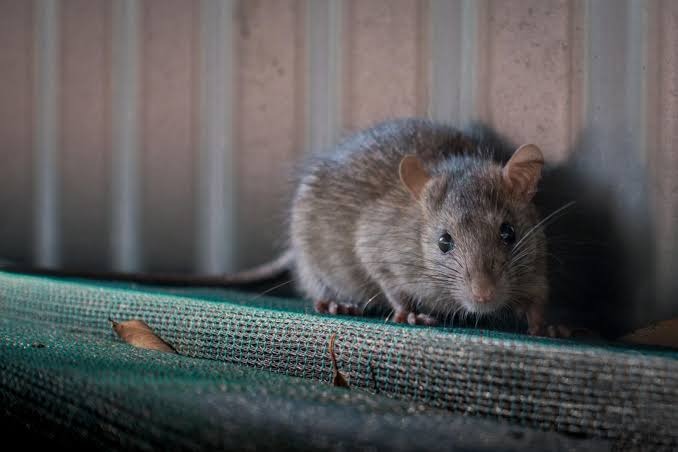
Public health officials in New Mexico are reminding residents to stay informed after a wild rat in Santa Fe County tested positive for plague. While the word “plague” may sound alarming because of its historical associations, experts emphasize that modern cases are uncommon in the United States and are generally treatable when identified early and managed with appropriate medical care.
The recent finding follows several confirmed animal cases reported earlier this year in New Mexico, prompting health authorities to encourage practical steps that help reduce exposure for both people and pets. Understanding how the disease naturally circulates in wildlife, recognizing basic prevention measures, and knowing when to seek medical or veterinary advice are the most effective ways to stay safe.
What Was Recently Reported in New Mexico?
According to the New Mexico Department of Health (NMDOH), a wild rat found on private property in Santa Fe County tested positive for plague during routine laboratory testing.
The case is the first confirmed plague-positive wild rodent reported in Santa Fe County during 2026. Earlier this year, state officials also confirmed several animal cases involving dogs in Santa Fe County and Bernalillo County.
Health officials continue to monitor wildlife activity and remind residents that these findings do not indicate a widespread public health emergency. Instead, they serve as a routine reminder that plague bacteria continue to exist naturally in certain wildlife populations in parts of the western United States.

What Is Plague?
Plague is an infectious disease caused by the bacterium Yersinia pestis.
The bacteria naturally circulate among certain wild rodents and the fleas that live on them. This natural cycle has existed for centuries and continues in limited geographic regions around the world.
Today, plague is well understood by scientists and healthcare professionals. Modern diagnostic testing, antibiotics, and public health surveillance have dramatically improved outcomes compared with historical outbreaks.
How Does Plague Spread?
According to the U.S. Centers for Disease Control and Prevention (CDC), plague is most commonly associated with infected fleas that have fed on infected wild rodents.
In some situations, infection may also occur through direct contact with infected wildlife or tissues from infected animals.
Health officials emphasize that routine everyday activities present a very low risk for most people. Individuals who spend time outdoors in areas where plague naturally occurs, particularly in rural environments, are encouraged to follow recommended preventive measures.
Can Pets Be Affected?
Yes. Pets can occasionally become infected if they encounter infected fleas or interact with infected wildlife.
Dogs may become exposed while exploring outdoor areas, while cats can be at greater risk because they are natural hunters.
Veterinarians encourage routine flea prevention throughout the year, especially for pets living in regions where plague has previously been detected.
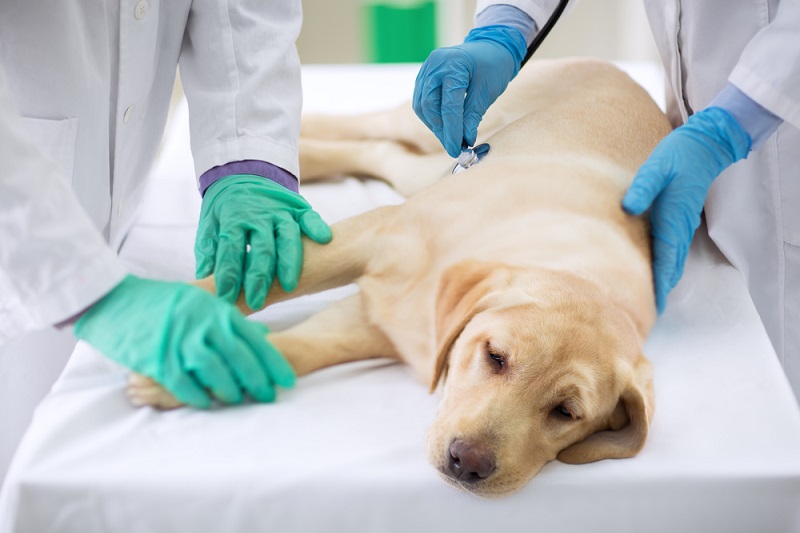
Prompt veterinary evaluation is recommended whenever a pet develops unexplained illness after outdoor exposure.
Signs Veterinarians Watch For
Veterinarians may consider plague among many possible causes when pets develop symptoms such as:
Fever
Reduced energy
Decreased appetite
Swollen lymph nodes
General illness
These symptoms are not unique to plague and can occur with many different conditions. Only appropriate veterinary examination and laboratory testing can determine the underlying cause.
Symptoms in People
According to the CDC, early symptoms may include:
Sudden fever
Chills
Headache
Fatigue
Swollen lymph nodes
These symptoms can resemble many other illnesses, which is why healthcare providers consider recent travel history, outdoor activities, and possible wildlife exposure when evaluating patients.
Medical experts emphasize that early diagnosis allows effective antibiotic treatment in most cases.

Why Plague Still Exists in Nature
Many infectious organisms naturally circulate among wildlife without causing widespread illness in people.
Scientists refer to these as natural disease reservoirs.
Certain rodent populations have carried Yersinia pestis for centuries. Wildlife monitoring programs help public health agencies identify changes in disease activity so communities can receive timely guidance when appropriate.
Regular surveillance allows officials to respond quickly while educating residents about practical prevention.
Preventing Exposure
Health authorities recommend several simple precautions for people living in or visiting areas where plague occurs naturally.
Use veterinarian-approved flea prevention for pets.
Keep pet food indoors whenever possible.
Reduce places where rodents may live around homes.
Avoid handling wild rodents or other wildlife.
Do not touch animals that appear sick or have died unexpectedly.
Contact local animal control or public health officials if unusual wildlife activity is observed.
These recommendations also help reduce exposure to many other wildlife-associated diseases.

The Importance of Wildlife Monitoring
Public health agencies regularly test wildlife to better understand disease activity.
Finding a positive animal does not necessarily indicate increased risk for the broader community. Instead, surveillance provides valuable information that helps guide education, veterinary recommendations, and environmental management.
Routine monitoring has become an important component of modern public health because it allows preventive action before larger problems develop.
Separating History From Modern Reality
The word “plague” often brings to mind historical events that occurred centuries ago.
However, today’s situation is very different.
Modern medicine offers effective diagnostic tools, antibiotics, laboratory testing, and coordinated public health systems that did not exist during historical outbreaks.
Current public health recommendations focus on awareness, prevention, and early treatment rather than fear.
Understanding this distinction helps place modern cases into appropriate scientific context.
Living Safely Alongside Wildlife
Wildlife plays an essential role in healthy ecosystems.
Rodents, birds, predators, insects, and countless other species contribute to maintaining ecological balance across forests, grasslands, and deserts.
Responsible outdoor recreation involves respecting wildlife habitats while following practical health precautions recommended by local authorities.
Simple habits such as proper waste management, responsible pet care, and avoiding unnecessary wildlife contact help protect both people and animals.
A Reflection on Science and Public Health
The recent findings in New Mexico demonstrate how modern public health systems continuously monitor wildlife to protect communities through education and early detection. Although plague remains present in certain natural environments, it is uncommon in people, and effective medical treatment is available when illness is recognized promptly.
Scientific research, veterinary medicine, and public health surveillance continue working together to improve understanding of diseases that naturally circulate in wildlife. These efforts allow communities to enjoy outdoor environments while remaining informed about sensible precautions.
Human curiosity has always inspired us to better understand the natural world. By combining scientific knowledge with practical prevention, we can appreciate wildlife, support conservation, and confidently enjoy nature while helping protect the health of both people and pets.
Sources
-
U.S. Centers for Disease Control and Prevention (CDC). Plague Information. https://www.cdc.gov/plague/
-
New Mexico Department of Health (NMDOH). https://www.nmhealth.org/
-
World Health Organization (WHO). Plague Fact Sheet. https://www.who.int/
-
Merck Veterinary Manual. Plague in Animals. https://www.merckvetmanual.com/
-
American Veterinary Medical Association (AVMA). Pet Health Resources. https://www.avma.org/