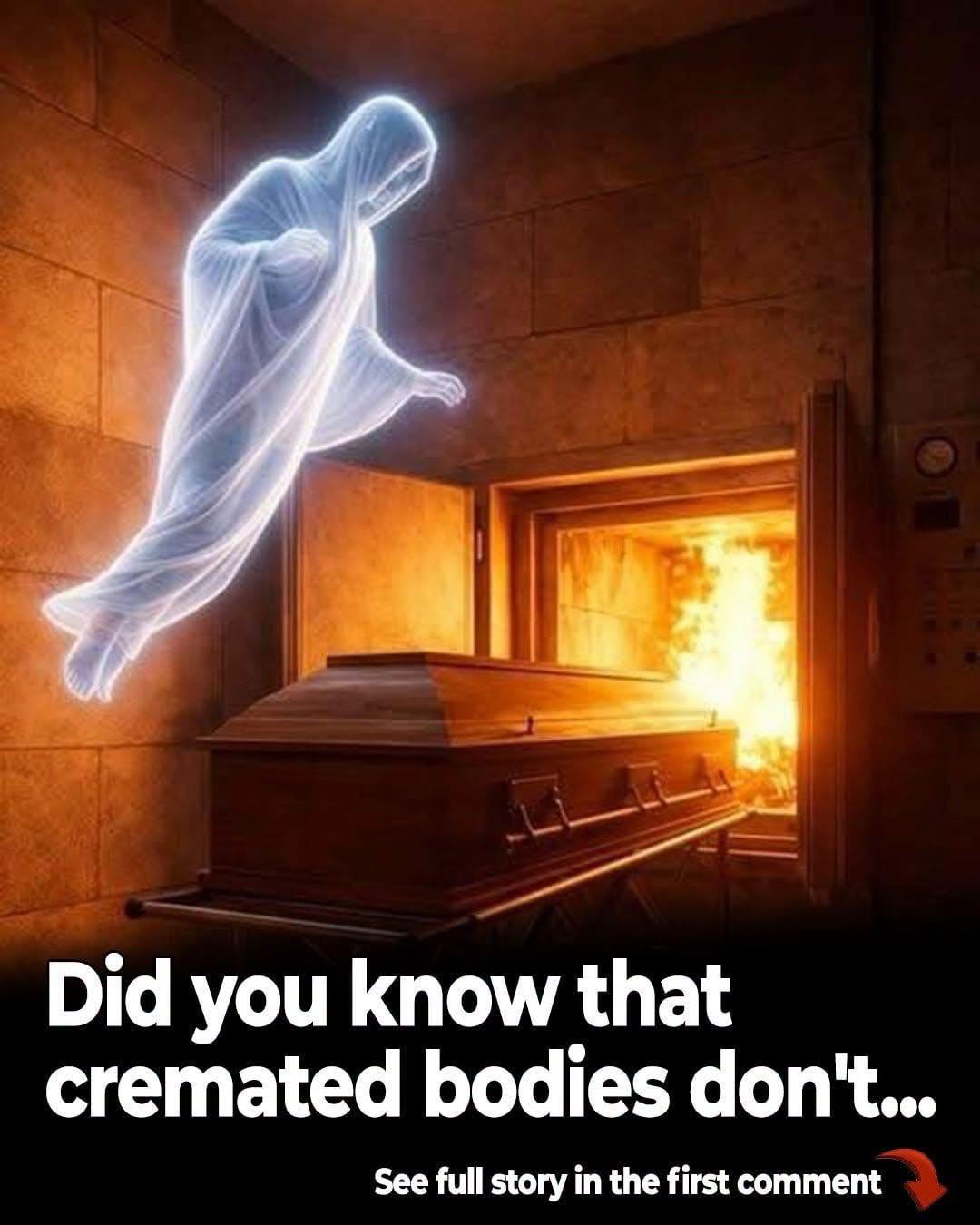
Throughout history, one question has quietly followed humanity across cultures and generations: What happens after we say goodbye? Whether a farewell takes place through burial, cremation, or another tradition, people naturally wonder what these rituals mean and whether they have any connection to what comes next.
Imagine a family gathered together, sharing stories, laughter, and tears as they honor someone they deeply loved. The physical ceremony may differ depending on culture or personal wishes, but the emotions are remarkably similar. Love, remembrance, gratitude, and hope unite people across the world.
Among modern farewell practices, cremation has become increasingly common in many countries. Yet despite its growing acceptance, it remains surrounded by questions. Some wonder how the process works. Others ask whether the ashes truly belong to their loved one. Many are curious about how different religions interpret cremation, while others seek scientific explanations about what happens to the body after life has ended.
This article explores these questions with respect and balance. Rather than promoting any single belief, it examines both cultural traditions and scientific understanding, highlighting how different perspectives attempt to answer one of humanity’s oldest mysteries.
Understanding Cremation
Cremation is a carefully regulated process that uses very high temperatures to reduce the body to bone fragments, which are then processed into a fine, ash-like material commonly referred to as cremated remains.
Today, cremation is chosen for many reasons, including personal preference, family tradition, environmental considerations, financial factors, and religious beliefs. In numerous countries, it has become one of the most common options for final arrangements.
Although the process itself is technical, its purpose is deeply personal: to provide families with a respectful way to honor someone they love.
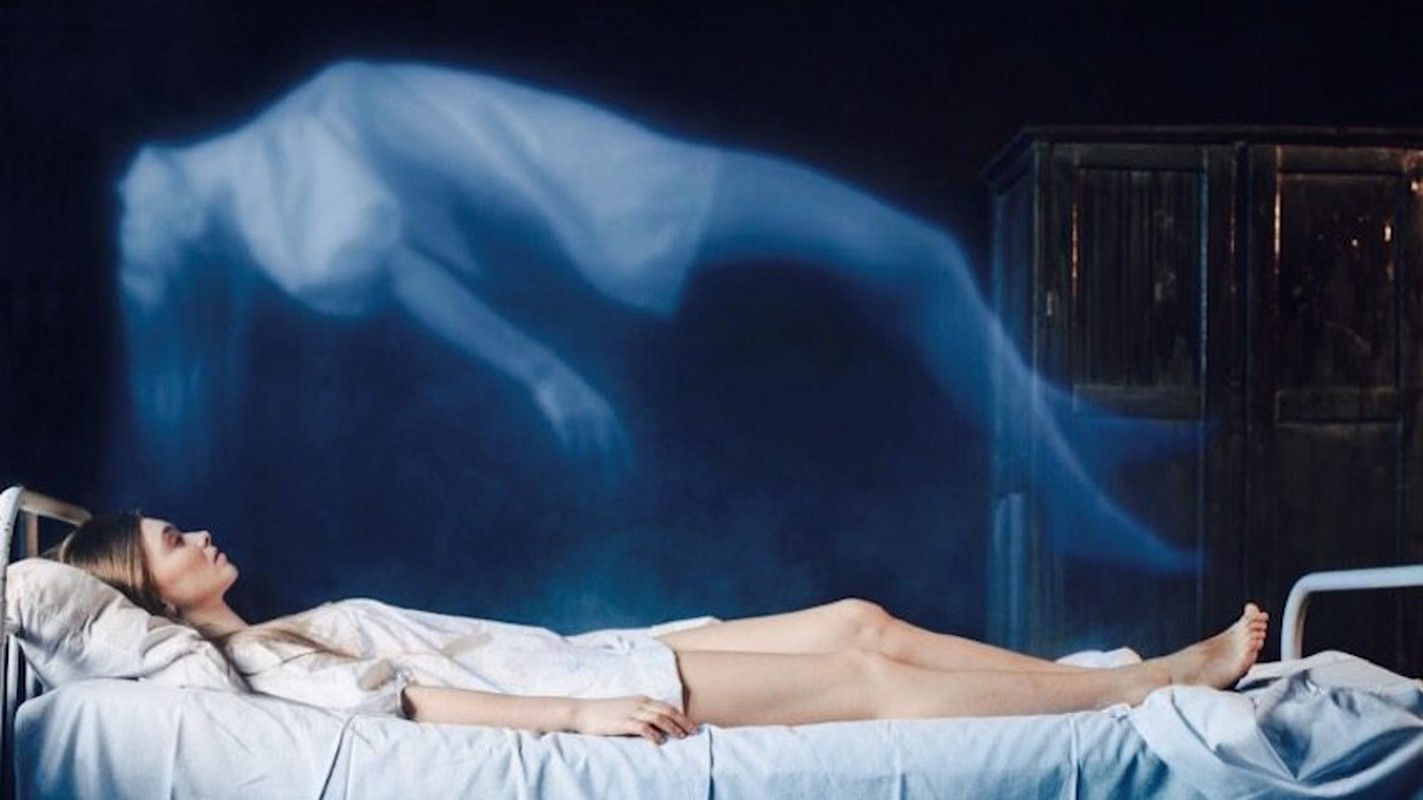
How Modern Cremation Ensures Proper Identification
One of the most common concerns families express is whether the cremated remains they receive are truly those of their loved one.
Modern crematories follow strict identification procedures designed to maintain accurate records throughout every stage of the process.
Typically, these procedures include:
- Assigning a unique identification number.
- Using durable identification methods that remain with the individual throughout the cremation process.
- Maintaining detailed documentation.
- Issuing official records when the process is complete.
These safeguards help provide reassurance during an emotionally difficult time and are regulated by professional standards in many countries.
Preparing for Cremation
Before cremation begins, trained professionals carefully prepare the body according to legal requirements, safety standards, and the family’s wishes.
Certain medical devices, such as pacemakers, are removed because they are not suitable for high-temperature environments. Other personal belongings are handled according to the family’s instructions and applicable regulations.
Every step is intended to balance safety, professionalism, and respect for the individual.
What Does Science Say Happens to the Body?
From a biological perspective, cremation is a physical process rather than a spiritual one.
The high temperatures transform organic tissues while leaving mineral components of the bones behind. These remaining bone fragments are then processed into the cremated remains returned to the family.
Science can explain:
- The chemical changes caused by heat.
- The transformation of bone material.
- The preservation of identification procedures.
- The physical aspects of cremation technology.
However, science does not attempt to answer questions about consciousness, the soul, or spiritual existence. Those topics belong to philosophy, religion, and personal belief rather than empirical measurement.

What Happens to the Soul? Different Cultural Perspectives
Across civilizations, people have developed diverse beliefs about what happens beyond physical life. These perspectives reflect centuries of religious teachings, philosophical inquiry, and cultural tradition.
Importantly, no single viewpoint can be confirmed through scientific evidence, so these interpretations are matters of faith and personal conviction.
Hindu Perspectives
In many Hindu traditions, cremation is considered a sacred ritual.
The ceremony symbolizes the release of the eternal soul, often called the atman, from its temporary physical body. Fire is viewed as a purifier that helps the soul continue its spiritual journey according to the principles of reincarnation.
For many Hindu families, cremation is not simply a practical choice but an important religious observance.
Buddhist Perspectives
Many Buddhist traditions emphasize impermanence.
From this perspective, cremation reflects the natural truth that all physical forms eventually change. Rather than focusing on preserving the body, Buddhist teachings often encourage mindfulness, compassion, and acceptance of life’s continuous cycle of change.
Different Buddhist communities may observe different funeral customs, but the underlying emphasis frequently remains on spiritual practice rather than physical preservation.
Christian Perspectives
Historically, many Christian communities preferred burial.
Today, however, numerous Christian denominations accept cremation, provided it is chosen with respect and does not conflict with core religious beliefs.
Christian teachings generally place greater emphasis on a person’s relationship with God than on the physical condition of the body after life has ended.
Practices and interpretations can vary among denominations and individual believers.
Islamic Perspectives
In Islamic tradition, burial is generally the customary and preferred practice.
Many Islamic scholars teach that the body should be treated with great dignity and laid to rest through burial rather than cremation. These practices reflect longstanding religious teachings and community traditions.
Secular and Humanist Perspectives
People with secular or humanist worldviews may approach cremation differently.
Some view it primarily as an environmentally conscious or practical decision.
Others see the body as returning naturally to the Earth’s cycles, while memories, relationships, and personal contributions continue through those whose lives were touched.
Why Do So Many Beliefs Exist?
Questions about the soul belong to one of humanity’s oldest philosophical discussions.
Unlike measurable scientific phenomena, spiritual beliefs cannot currently be verified or disproven through scientific methods.
As a result, different cultures have developed unique explanations shaped by:
- History
- Religious teachings
- Philosophy
- Community traditions
- Personal experiences
These diverse perspectives demonstrate humanity’s shared desire to understand life’s greatest mysteries.
Myths and Misconceptions About Cremation
Modern cremation is often surrounded by misunderstandings. Examining these myths alongside verified information can help provide clarity.
Myth: Cremation Prevents Religious Beliefs
Reality depends on the specific religion.
Some faiths encourage cremation, others permit it under certain circumstances, while some traditionally prefer burial.
Myth: Families Cannot Be Certain About Identification
Professional crematories use carefully documented identification systems designed to maintain accuracy throughout the entire process.
These procedures are subject to regulations and industry standards in many regions.
Myth: Everyone Believes the Same Thing About the Soul
In reality, beliefs vary widely across religions, cultures, and individual philosophies.
No single interpretation represents all of humanity.
Why Cremation Is Becoming More Common
Several factors have contributed to the increasing popularity of cremation worldwide.
These include:
- Changing cultural preferences.
- Greater geographic mobility among families.
- Flexibility in memorial planning.
- Environmental considerations.
- Financial considerations.
The decision remains deeply personal and often reflects family values rather than any universal standard.
The Role of Ritual in Healing
Whether a family chooses burial, cremation, or another tradition, ceremonies often serve an important emotional purpose.
Memorial gatherings allow loved ones to:
- Share memories.
- Celebrate a person’s life.
- Support one another.
- Express gratitude.
- Begin adapting to a significant life change.
Research in psychology suggests that meaningful rituals can help people process major life transitions by providing structure, community, and opportunities for reflection.
The specific form of the ceremony may differ, but its emotional significance is remarkably consistent across cultures.
Frequently Asked Questions
Is cremation accepted everywhere?
Acceptance varies by country, religion, culture, and personal beliefs. It is widely practiced in many parts of the world but is not universally preferred.
Can science explain what happens to the soul?
Science studies observable physical processes. Questions about the soul, consciousness beyond biological life, or spiritual existence fall outside the scope of current scientific methods.
Why do religions have different views?
Religious traditions developed over centuries with different theological teachings, sacred texts, and cultural practices, leading to diverse perspectives on funeral customs.
Are cremated remains handled carefully?
Licensed crematories generally follow established legal requirements and professional procedures designed to ensure respectful handling and accurate identification.
Why are people still fascinated by this topic?
Questions about life’s deepest mysteries naturally inspire curiosity. Exploring different perspectives helps many people better understand both cultural traditions and the diverse ways humans seek meaning.
Conclusion
Cremation is more than a technical process. For some, it represents a sacred ritual rooted in centuries of faith. For others, it is a practical or environmentally conscious choice. Science explains how the body changes during cremation, while religions and philosophies offer a wide range of interpretations about the soul and what may follow. These spiritual perspectives are matters of belief rather than scientific confirmation, and they reflect the remarkable diversity of human thought.
Ultimately, the meaning of a farewell is shaped less by the method itself and more by the love, respect, and memories shared among family and friends. Across cultures and generations, people continue to honor those they cherish in ways that reflect their values and traditions. Our enduring curiosity about life’s greatest questions reminds us not only of the mysteries we seek to understand but also of the profound connections that give those questions their lasting significance.
Sources
- National Funeral Directors Association (NFDA) – Information on cremation practices, funeral planning, and professional standards.
- Cremation Association of North America (CANA) – Educational resources on cremation procedures and industry best practices.
- Encyclopaedia Britannica – Articles on cremation, comparative religion, and funeral customs.
- World Health Organization (WHO) – Public health guidance related to respectful management of human remains.
- Pew Research Center – Research on religious beliefs, cultural practices, and changing funeral preferences.
- American Psychological Association (APA) – Resources on grief, bereavement, and the role of rituals in coping with loss.