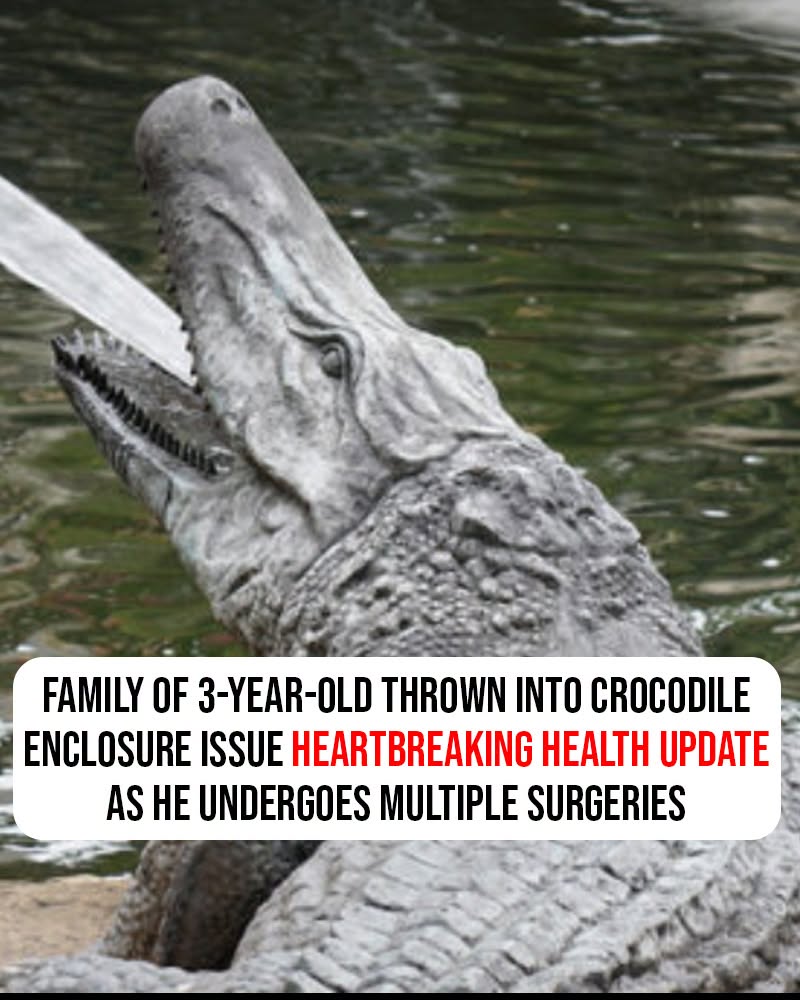
A family outing is often filled with excitement, discovery, and memorable moments. Zoos, wildlife parks, and nature centers provide opportunities for children to learn about animals while creating lasting family memories. When an unexpected emergency occurs in one of these settings, however, it can profoundly affect everyone involved.
Recently, the family of a three-year-old child shared an update on his ongoing recovery following a widely reported incident at a zoo in England. Their message focused on gratitude for the medical professionals, emergency responders, zoo staff, and members of the public who have supported them throughout an extended period of treatment and rehabilitation.
While legal proceedings related to the reported incident remain ongoing, the family’s update highlights the importance of emergency preparedness, specialized medical care, and long-term rehabilitation after serious injuries.
What Happened?
According to multiple news reports, the incident occurred at Johnsons of Old Hurst, a family-operated zoo in England.
Authorities reported that a young child sustained serious injuries after entering a crocodile enclosure during an unexpected incident. Emergency responders and zoo staff acted quickly to assist the child, who was transported to Addenbrooke’s Hospital for specialized treatment.
Police later confirmed that an individual had been arrested in connection with the incident, and the investigation remains subject to legal processes. Because the case is ongoing, official findings have not yet been finalized.
A Family Focused on Recovery
In recent updates shared publicly, the child’s parents explained that they have remained by their son’s side throughout his hospitalization.
They described weeks spent in the hospital while he received multiple surgical procedures and ongoing medical care. They also noted that additional treatment and rehabilitation are expected, with healthcare professionals continuing to evaluate his recovery over time.
The family expressed heartfelt appreciation for the support they have received from hospital staff, emergency responders, zoo employees, friends, and members of the public.
Their message reflects a common experience among families facing prolonged medical treatment: recovery often extends well beyond the initial emergency.
Why Rehabilitation Matters
For many serious injuries, rehabilitation becomes an essential part of recovery.
Depending on the individual’s condition, rehabilitation programs may include:
Physical therapy.
Occupational therapy.
Pain management.
Psychological support.
Regular medical follow-up.
Strength and mobility exercises.
Children often demonstrate remarkable resilience, but recovery timelines vary significantly depending on the nature of their injuries and individual healing processes.
Healthcare teams continuously assess progress and adjust treatment plans according to each patient’s needs.
The Role of Specialized Pediatric Care
Children are not simply small adults when it comes to medical treatment.
Pediatric hospitals bring together specialists in:
Pediatric surgery.
Anesthesiology.
Rehabilitation medicine.
Nursing.
Child psychology.
Physical and occupational therapy.
These multidisciplinary teams work together to support both physical healing and emotional well-being throughout recovery.
Emergency Response Can Make a Difference
One important theme emerging from the family’s statement is gratitude toward those who responded immediately.
Emergency situations often require coordinated efforts involving:
Zoo staff.
Emergency medical services.
Hospital personnel.
Law enforcement.
Specialist healthcare providers.
Prepared emergency response protocols are designed to provide rapid assistance while ensuring the safest possible care under challenging circumstances.
Supporting Families During Long Recoveries
Extended hospital stays affect entire families, not only the patient.
Parents may need to:
Take leave from work.
Care for siblings.
Travel frequently.
Manage household expenses.
Coordinate ongoing medical appointments.
Community support can help reduce some of these practical challenges, allowing families to focus more fully on their loved one’s recovery.
Zoo Safety and Visitor Responsibility
Modern accredited zoos invest considerable effort in visitor safety.
Safety measures commonly include:
Secure animal enclosures.
Clearly marked barriers.
Educational signage.
Staff supervision.
Emergency response procedures.
Visitors also play an important role by following posted guidelines and remaining aware of their surroundings, particularly when visiting with young children.
These combined efforts help create safe environments where people can learn about wildlife while minimizing risks.

Learning From Difficult Events
Serious incidents naturally prompt reviews of safety procedures and emergency planning.
Organizations often evaluate:
Emergency response protocols.
Communication systems.
Visitor management.
Facility design.
Staff training.
Continuous evaluation helps improve preparedness and supports safer experiences for future visitors.
The Strength of Community
One of the most encouraging aspects of the family’s update is the widespread support they have received.
Healthcare professionals.
Friends.
Neighbors.
Members of the public.
Supporters contributing practical assistance.
Acts of kindness, whether through encouraging messages or practical help, often provide meaningful comfort during long recovery journeys.
Conclusion
The family’s recent update serves as a reminder that recovery from a serious injury is rarely measured only in days or weeks. It is a gradual process supported by skilled healthcare professionals, dedicated caregivers, and compassionate communities.
Although the circumstances surrounding this incident continue to be addressed through the appropriate legal channels, the family’s focus remains firmly on their child’s healing and rehabilitation. Their gratitude toward everyone involved underscores the importance of teamwork during medical emergencies.
Human curiosity draws families to places where they can learn about wildlife and nature. That same curiosity, combined with careful planning, responsible safety practices, and continued advances in medicine, helps create environments where education, conservation, and public well-being can coexist.
Sources
- BBC News
- NHS England
- Royal College of Paediatrics and Child Health
- British and Irish Association of Zoos and Aquariums
- World Association of Zoos and Aquariums
- American Academy of Pediatrics