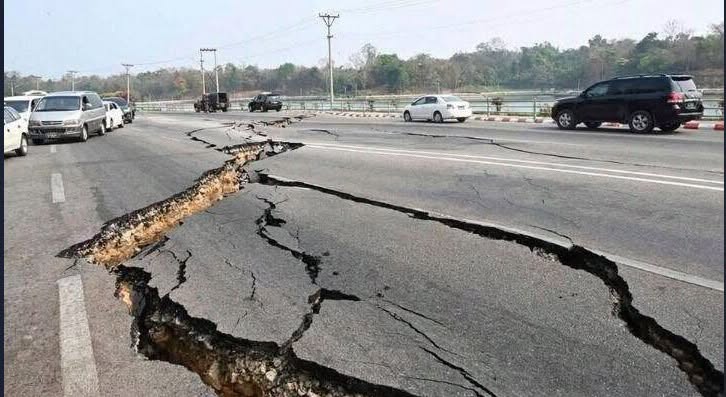
There are moments when the ground beneath our feet reminds us that the Earth is constantly changing. A quiet morning can suddenly be interrupted by a gentle vibration—or, in some cases, a powerful tremor that prompts entire communities to pause, seek safety, and support one another.
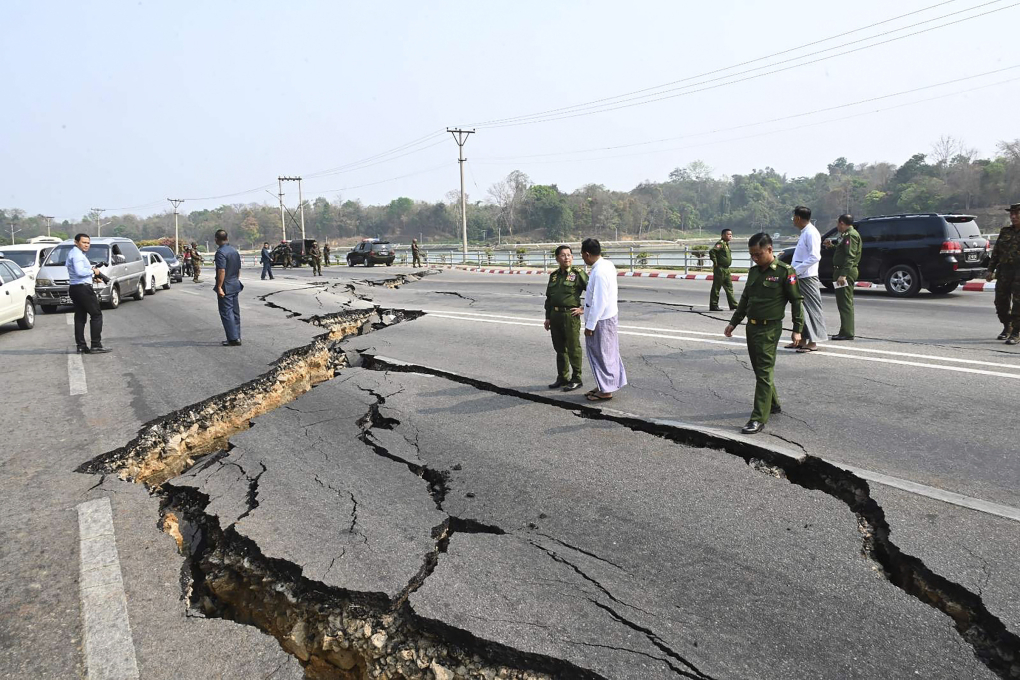
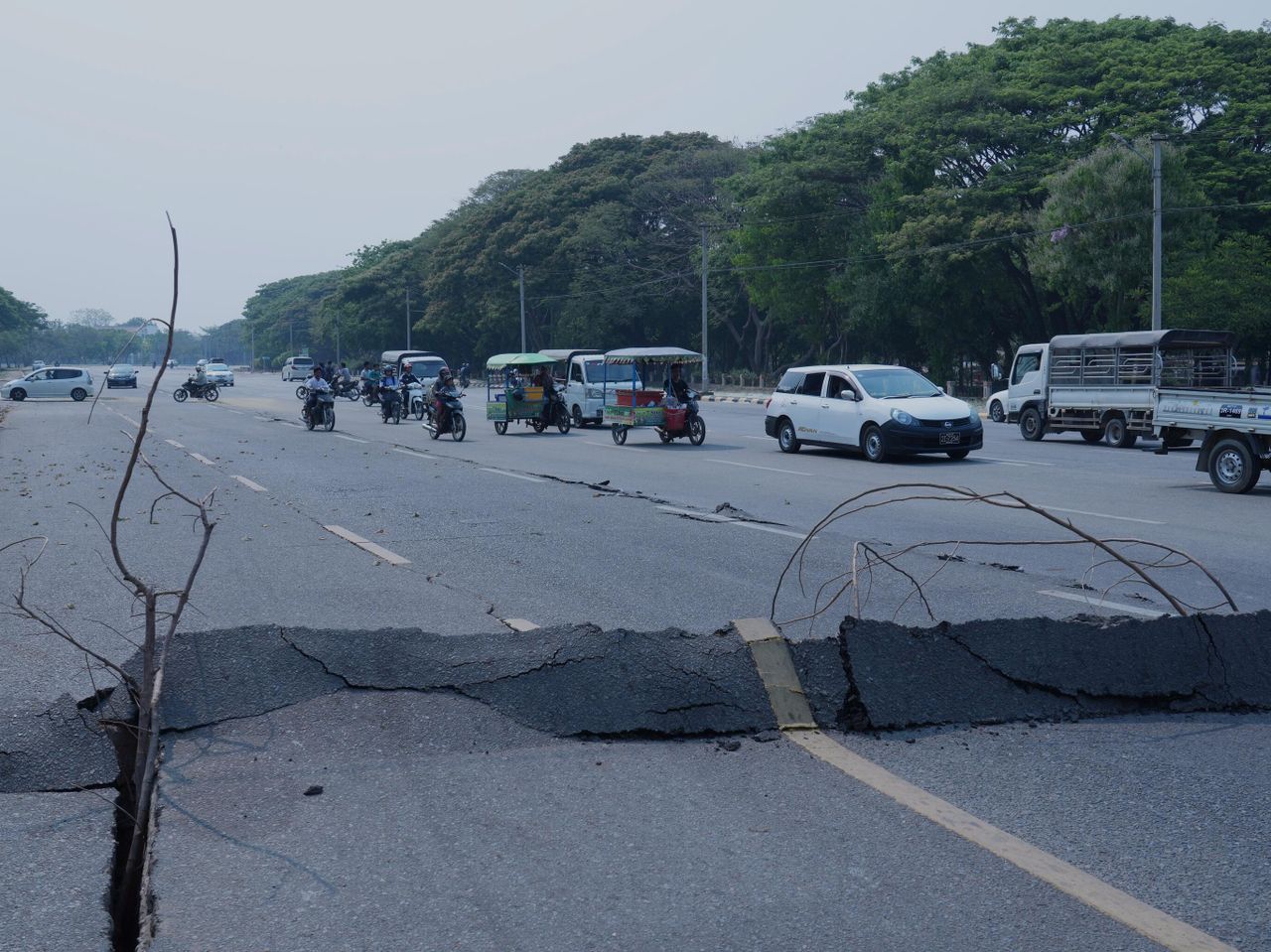
A recent earthquake that affected parts of Myanmar, China’s Yunnan Province, and northern Thailand once again highlighted the importance of preparedness in one of the world’s most seismically active regions. While emergency responders quickly mobilized and communities demonstrated remarkable resilience, the event also encouraged many people to learn more about why earthquakes happen and how individuals can prepare for them.
Throughout history, earthquakes have inspired myths, religious interpretations, and scientific investigation. Today, modern geology offers a clear explanation of these natural events, while local traditions continue to reflect humanity’s long-standing fascination with the powerful forces shaping our planet.
This article explores the science of earthquakes, the cultural perspectives that have surrounded them, practical preparedness strategies, and how communities recover together after seismic events.
What Happened During the Recent Southeast Asia Earthquake?
A strong earthquake was felt across several areas of Southeast Asia, with significant shaking reported near Lashio in Myanmar and noticeable tremors extending into China’s Yunnan Province and parts of northern Thailand.
As is common after earthquakes, local authorities initiated emergency response procedures that included:
- Structural safety inspections
- Temporary evacuations where necessary
- Medical assistance
- Infrastructure assessments
- Public safety communications
Although earthquakes cannot be prevented, coordinated emergency response helps reduce risks and supports affected communities during the immediate aftermath.
Why Southeast Asia Experiences Frequent Earthquakes
Southeast Asia lies within one of Earth’s most geologically active regions.
Several major tectonic plates interact in this area, including:
- The Indian Plate
- The Eurasian Plate
- The Sunda Plate
- The Burma Microplate
These enormous sections of Earth’s crust move slowly over millions of years.
When pressure builds along faults and is suddenly released, the resulting energy travels through the ground as seismic waves, producing an earthquake.
This geological activity explains why countries throughout the region experience earthquakes more frequently than many other parts of the world.
Understanding Plate Tectonics
Modern geology explains earthquakes through the theory of plate tectonics.
Earth’s outer shell consists of numerous massive plates floating atop a slowly moving layer of hot rock beneath the surface.
These plates may:
- Move toward one another
- Pull apart
- Slide past each other
Movement occurs only a few centimeters each year.
However, enormous pressure accumulates over time.
When the rocks can no longer withstand the stress, they suddenly shift.
That rapid movement releases tremendous energy that radiates outward as seismic waves.
Different Types of Earthquakes
Not every earthquake forms in the same way.
Scientists classify earthquakes according to their geological causes.
Tectonic Earthquakes
These are the most common and occur due to movement along faults between tectonic plates.
Volcanic Earthquakes
These are associated with volcanic activity and the movement of magma beneath the Earth’s surface.
Induced Earthquakes
Human activities such as reservoir construction, mining, or geothermal energy extraction can occasionally trigger smaller seismic events.
The recent earthquake in Southeast Asia is consistent with tectonic activity in the region.
How Earthquakes Are Measured
Earthquakes are recorded using instruments called seismometers.
Scientists describe earthquakes using two primary measurements.
Magnitude
Magnitude measures the amount of energy released at the earthquake’s source.
Today, the Moment Magnitude Scale (Mw) is widely used.
Intensity
Intensity describes how strongly the shaking is experienced at different locations.
The Modified Mercalli Intensity Scale considers:
- Human observations
- Building effects
- Ground movement
Two people in different cities may experience very different shaking from the same earthquake.
Why Some Areas Experience More Damage Than Others
Earthquake damage depends on several important factors beyond magnitude.
These include:
Distance from the Epicenter
Locations closer to the epicenter generally experience stronger shaking.
Building Design
Modern earthquake-resistant construction often performs much better than older structures.
Local Soil Conditions
Soft soils may amplify ground motion compared with solid bedrock.
Population Density
More densely populated areas may face greater challenges during emergency response.
The Importance of Emergency Response
Following significant earthquakes, emergency responders play a critical role.
Their responsibilities often include:
- Search and rescue
- Medical care
- Building inspections
- Road clearance
- Shelter coordination
- Utility restoration
Many countries also rely on trained volunteers who assist with logistics, communication, and community support.
Rapid organization helps reduce confusion while protecting public safety.
Community Resilience After an Earthquake
One of the most inspiring aspects of natural disasters is the way communities often come together.
Neighbors assist one another by:
- Sharing supplies
- Checking on older adults
- Offering temporary shelter
- Providing emotional support
- Helping clean damaged areas
Social cooperation often becomes one of the strongest tools during recovery.
Research consistently shows that connected communities tend to recover more effectively after disasters.
Earthquakes in History and Cultural Traditions
Long before modern seismology, people sought explanations for earthquakes through myths and cultural beliefs.
In Japanese folklore, a giant catfish called Namazu was believed to live beneath the islands. According to legend, when the creature moved, earthquakes followed.
Ancient Greek philosopher Aristotle suggested that underground winds caused earthquakes.
In several Southeast Asian traditions, earthquakes were sometimes interpreted as signs of changes within nature or reminders of humanity’s relationship with the Earth.
These historical beliefs reflect humanity’s desire to understand natural events before scientific explanations became available.
Today, geology provides evidence-based understanding while these cultural stories remain valuable parts of local heritage.
Why Aftershocks Occur
Many people are surprised that earthquakes are often followed by additional shaking.
These smaller events are called aftershocks.
Aftershocks occur because the Earth’s crust continues adjusting after the initial rupture.
They may continue for:
- Days
- Weeks
- Months
- Occasionally longer after major earthquakes
Although most aftershocks are smaller than the main event, some can still be strong enough to cause additional damage to already weakened structures.
Earthquake Preparedness at Home
Preparedness significantly improves safety during earthquakes.
Experts recommend creating a household emergency plan.
Important preparations include:
Build an Emergency Kit
Include:
- Drinking water
- Nonperishable food
- Flashlights
- Batteries
- First-aid supplies
- Prescription medications
- Portable phone charger
Secure Heavy Furniture
Bookshelves, televisions, and cabinets should be anchored when appropriate.
Identify Safe Locations
Inside your home, safer locations may include areas beneath sturdy tables or desks and away from windows or heavy objects that could fall.
What To Do During an Earthquake
General earthquake safety guidance includes:
If indoors:
- Stay where you are.
- Take cover under sturdy furniture if available.
- Protect your head and neck.
- Stay away from windows.
If outdoors:
- Move toward open spaces away from buildings, trees, and utility lines.
If driving:
- Pull over safely away from bridges, tunnels, and overhead hazards.
- Remain inside the vehicle until shaking stops if it is safe to do so.
Always follow instructions from local emergency management authorities.
Safety After the Shaking Stops
Once the earthquake ends:
- Check yourself and others for injuries.
- Be alert for aftershocks.
- Avoid entering visibly damaged buildings.
- Listen to official updates.
- Report hazards when appropriate.
Remaining calm supports better decision-making.
Advances in Earthquake Monitoring
Modern technology has greatly improved earthquake detection.
Today’s monitoring systems include:
- Global seismic networks
- GPS measurements
- Satellite observations
- Automated warning systems
Some regions operate earthquake early warning systems capable of providing several seconds of notice before strong shaking arrives.
Although brief, these warnings may allow people to:
- Move to safer locations
- Pause certain industrial operations
- Slow trains
- Alert emergency services
Scientists continue improving these technologies worldwide.
The Psychological Impact of Earthquakes
Recovery extends beyond rebuilding roads and buildings.
Many people experience temporary emotional responses after earthquakes, including:
- Anxiety
- Sleep disturbances
- Concern during aftershocks
- Increased stress
Support from family, friends, and community organizations often plays an important role in emotional recovery.
Access to reliable information also helps reduce unnecessary fear and uncertainty.
Building More Resilient Communities
Many countries affected by earthquakes continue investing in:
- Stronger building codes
- Public education
- Emergency drills
- Improved communication systems
- Scientific monitoring
- Community preparedness programs
Each earthquake provides valuable lessons that help improve future resilience.
Conclusion
The recent earthquake affecting parts of Myanmar, China, and Thailand serves as another reminder that earthquakes are natural expressions of our planet’s dynamic geology. While their occurrence cannot be prevented, scientific understanding, thoughtful planning, and effective emergency response greatly reduce their impact.
Across history, people have explained earthquakes through myths, cultural traditions, and observation. Today, geology provides clear evidence of the tectonic processes behind these remarkable events, while community preparedness continues to evolve through research and experience.
Perhaps the most enduring lesson is not only about the power of nature but also about human resilience. Every earthquake reminds us that curiosity drives scientific discovery, preparedness strengthens communities, and cooperation helps people recover together when faced with unexpected challenges.
Sources
- United States Geological Survey (USGS)
- International Federation of Red Cross and Red Crescent Societies (IFRC)
- United Nations Office for Disaster Risk Reduction (UNDRR)
- World Health Organization (WHO)
- European-Mediterranean Seismological Centre (EMSC)
- British Geological Survey (BGS)
- United Nations Educational, Scientific and Cultural Organization (UNESCO)
- National Earthquake Information Center (NEIC)