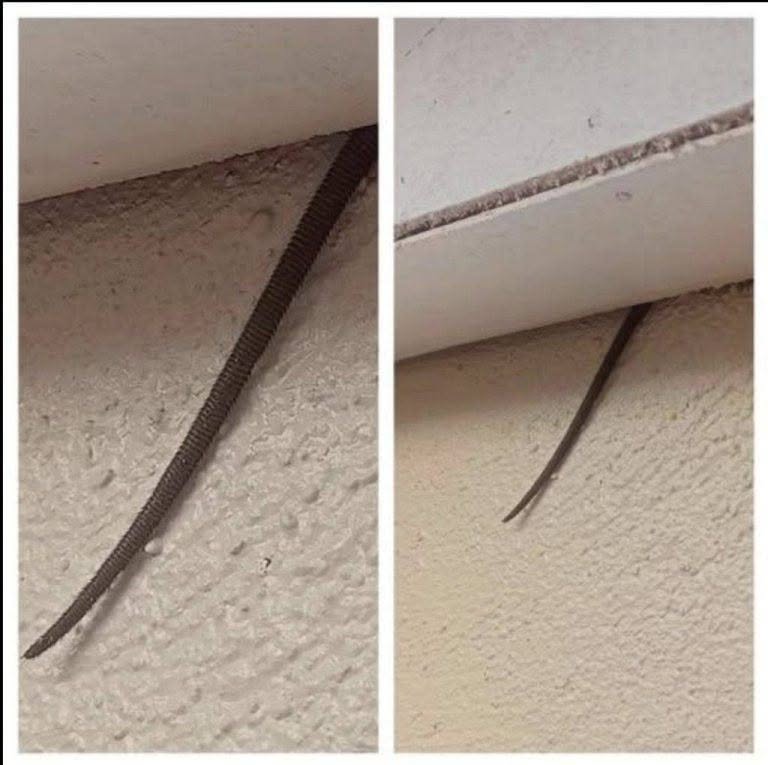
It often begins with an ordinary evening at home. You’re relaxing on the couch, reading a book, or getting ready for bed when something unusual catches your eye. A tiny object appears to be sticking out of the ceiling. You’re certain it wasn’t there before, and suddenly your attention shifts from your evening routine to the mystery overhead.
Questions quickly come to mind. Is it part of the house? Could it be a sign of a bigger problem? Should you leave it alone or investigate further?
Fortunately, most small objects protruding from a ceiling have simple explanations. While some situations deserve prompt professional attention, many are the result of normal home aging, seasonal movement, or leftover construction materials. Understanding the possibilities can help homeowners respond calmly and make informed decisions.
This guide explores the most common reasons something may stick out from a ceiling, explains how homes naturally change over time, discusses common myths surrounding mysterious household discoveries, and outlines practical steps for keeping your home safe.
Why Changes in the Ceiling Capture Our Attention
Ceilings are one of the least noticed parts of a home.
Unlike floors, cabinets, or furniture, we rarely inspect them closely. Because they typically remain unchanged for years, even a tiny difference immediately attracts attention.
Psychologists refer to this as “change detection.” Humans are naturally wired to notice unexpected changes in familiar environments because doing so has historically helped identify potential hazards.
Fortunately, most ceiling surprises turn out to be harmless once properly identified.

Understanding What Lies Above Your Ceiling
Before identifying the object itself, it helps to understand what exists behind drywall ceilings.
Most residential ceilings contain a network of structural and mechanical components, including:
- Wooden joists
- Drywall fasteners
- Electrical wiring
- HVAC ducts
- Plumbing pipes
- Insulation
- Communication cables
- Mounting hardware
As a house ages, slight movement can occasionally make some of these components become visible.
Common Reasons Something Appears to Be Sticking Out
Nail Pops
One of the most common explanations is a nail pop.
Homes naturally expand and contract as temperatures and humidity change throughout the year. Over time, these subtle movements can cause drywall nails to slowly push outward.
The result is usually a small round bump or a nail head becoming visible.
Professional drywall contractors consider nail pops to be a routine maintenance issue rather than a structural emergency.
Drywall Screws
Modern homes often use drywall screws instead of nails.
Although screws generally remain more secure, they can occasionally become slightly exposed if drywall shifts over many years.
This is especially common in homes that experience seasonal humidity changes.
Old Mounting Hardware
Many ceilings have supported fixtures over the years.
Previous homeowners may have installed:
- Hanging plants
- Decorative hooks
- Ceiling-mounted storage
- Smoke alarms
- Light fixtures
- Holiday decorations
Sometimes small anchors or mounting hardware remain hidden until paint ages or drywall shifts slightly.
These remnants may look mysterious but are often harmless.
Construction Leftovers
Builders occasionally leave behind small pieces of hardware that become visible much later.
Examples include:
- Wire ties
- Metal tabs
- Chalk line markers
- Fastener clips
- Temporary supports
These items were never intended to be seen but may slowly emerge over decades.
Could It Be Electrical?
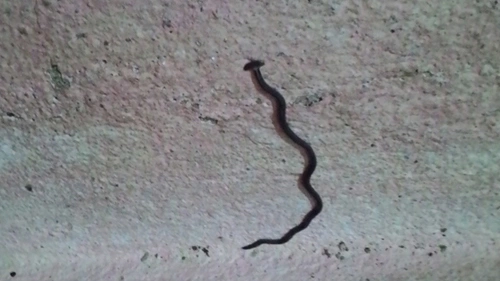
Sometimes homeowners worry that a visible object is an electrical wire.
While this possibility is less common, it deserves careful attention.
Possible signs include:
- Flexible wire
- Copper-colored metal
- Green grounding wire
- Plastic-coated cable
If an exposed wire is suspected, avoid touching it.
Instead:
- Keep the area undisturbed.
- Turn off power to the affected circuit if practical.
- Contact a licensed electrician for inspection.
Electrical systems should always be evaluated by qualified professionals.
HVAC Components That May Become Visible
Heating and cooling systems sometimes include ceiling-mounted equipment.
Examples include:
- Temperature sensors
- Vent dampers
- Low-voltage thermostat wires
- Condensation tubing
These components often appear unusual to homeowners unfamiliar with HVAC systems.
If the object is located near an air vent, it may simply be part of the home’s climate control equipment.
Natural House Movement
One of the biggest misconceptions is that every ceiling change indicates serious structural damage.
In reality, homes are constantly moving in tiny amounts.
Factors include:
- Seasonal temperature changes
- Humidity fluctuations
- Soil expansion and contraction
- Wood drying with age
- Minor settling after construction
These gradual shifts are expected throughout a building’s lifespan.
Construction engineers generally distinguish between normal settling and structural concerns through careful inspection rather than visual appearance alone.
Popular Myths About Ceiling Objects
Household mysteries often inspire imaginative explanations.
Let’s examine a few common myths.
Myth: Every Protruding Object Means the Ceiling Is About to Collapse
In most cases, this is not true.
Small drywall fasteners becoming visible are common maintenance issues and usually unrelated to structural integrity.
Myth: Every Wire Is Dangerous
Not necessarily.
Some visible cables are inactive communication lines or low-voltage wires.
However, because homeowners cannot easily identify wiring safely, professional evaluation is always the safest approach.
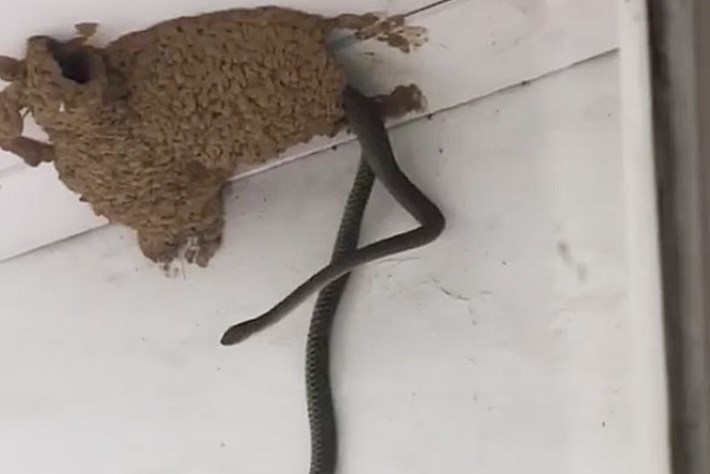
Myth: Strange Objects Mean Animals Are Living Above the Ceiling
Although attic wildlife occasionally causes ceiling issues, a single small object protruding through drywall is far more likely to be construction hardware than evidence of animal activity.
If additional signs such as scratching sounds, unusual odors, or insulation debris appear, an inspection may be appropriate.
Warning Signs That Should Not Be Ignored
While many ceiling changes are harmless, certain accompanying symptoms deserve prompt professional assessment.
These include:
- Water stains
- Persistent moisture
- Sagging drywall
- Large expanding cracks
- Multiple fasteners suddenly appearing
- Unusual electrical odors
- Flickering lights near the affected area
These symptoms may indicate plumbing, roofing, or electrical problems requiring attention.
Safe Steps to Take
If you notice an unfamiliar object in your ceiling, remain calm and follow a systematic approach.
Observe Carefully
Look at the object without touching it.
Notice:
- Size
- Color
- Material
- Shape
- Location
These details may help identify it later.
Take a Photograph
Photographs allow you to compare changes over time and provide useful information if you consult a professional.
Check for Related Issues
Look for:
- Water spots
- Paint bubbles
- Ceiling cracks
- Nearby vents
- Lighting fixtures
These clues provide valuable context.
Avoid Pulling or Cutting It
Resist the temptation to remove the object.
Even a small nail or wire may serve a purpose behind the ceiling.
Allow a qualified professional to determine whether removal is appropriate.
Preventive Home Maintenance
Routine inspections help homeowners catch minor issues before they become larger repairs.
Consider checking ceilings several times each year, especially after:
- Heavy storms
- Seasonal weather changes
- Roof repairs
- Plumbing work
- Renovations
Maintaining proper indoor humidity can also reduce drywall movement.
Why Household Mysteries Spread Online
Social media has made everyday home mysteries surprisingly popular.
A single photograph of an unfamiliar ceiling object often generates hundreds of comments offering different explanations.
Some suggestions are based on genuine experience, while others are playful speculation.
This wide variety of responses reflects an important aspect of human psychology: people enjoy solving puzzles together.
Although online discussions can provide useful ideas, they should never replace professional advice when safety is involved.
The Science Behind Ceiling Materials
Modern drywall is designed to be durable while remaining lightweight.
It expands and contracts slightly as environmental conditions change.
Fasteners hold drywall securely against framing, but over many years, tiny shifts may gradually make nail heads or screw heads more noticeable.
This natural aging process explains why many ceiling changes appear long after a home is built.
When to Contact a Professional
Consider arranging an inspection if:
- You suspect electrical wiring.
- Water is present.
- Cracks continue growing.
- The ceiling begins sagging.
- You notice repeated structural changes.
- You’re simply unsure what you’re seeing.
Licensed electricians, drywall contractors, home inspectors, and structural professionals can identify the source safely.
Early evaluation often prevents minor issues from becoming more expensive repairs.
Conclusion
Discovering something sticking out of your ceiling can certainly be surprising, but in many cases, the explanation is far less alarming than first imagined. Nail pops, old mounting hardware, drywall movement, or leftover construction materials are all common possibilities in homes of every age.
The key is to stay calm, observe carefully, and avoid making assumptions. While some situations warrant professional inspection, many can be resolved with simple maintenance once the cause is identified.
Ultimately, mysterious discoveries around the home remind us how much is hidden behind the walls and ceilings we rarely think about. Our curiosity encourages us to learn how our homes are built, how they naturally change over time, and why even the smallest unexpected detail can spark a desire to understand the world just a little better.
Sources
- International Association of Certified Home Inspectors (InterNACHI)
- U.S. Consumer Product Safety Commission (CPSC)
- National Association of Home Builders (NAHB)
- International Code Council (ICC)
- U.S. Department of Energy – Home Maintenance Resources
- Family Handyman – Home Repair and Drywall Maintenance Guides
- This Old House – Ceiling Repair and Home Maintenance Articles