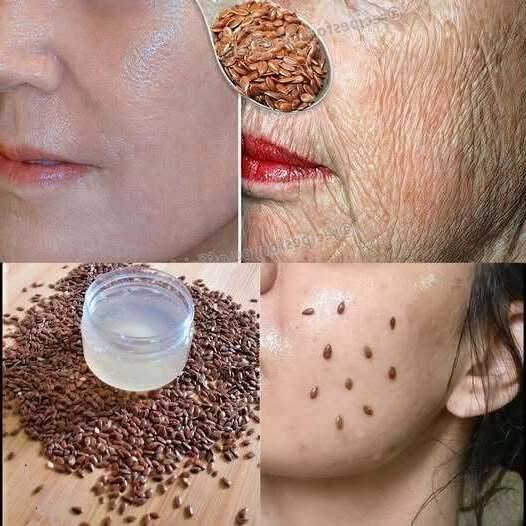
For generations, people have searched for gentle, natural ways to care for their skin. Long before today’s shelves were filled with advanced skincare products, many households relied on simple plant-based ingredients to soothe, hydrate, and nourish the complexion.
One ingredient that has recently attracted renewed interest is flaxseed. Known primarily as a nutritious food, flaxseed is also being explored in homemade skincare recipes because of its natural gel-like texture and beneficial plant compounds.
Online articles often describe flaxseed gel as a natural wrinkle treatment and sometimes even compare it to cosmetic procedures. While these claims have generated considerable curiosity, it is important to distinguish between traditional beauty practices and conclusions supported by scientific research.
This article examines what flaxseed gel is, explores its potential skincare benefits, reviews the available scientific evidence, and explains how it may fit into a healthy skincare routine.
What Is Flaxseed Gel?
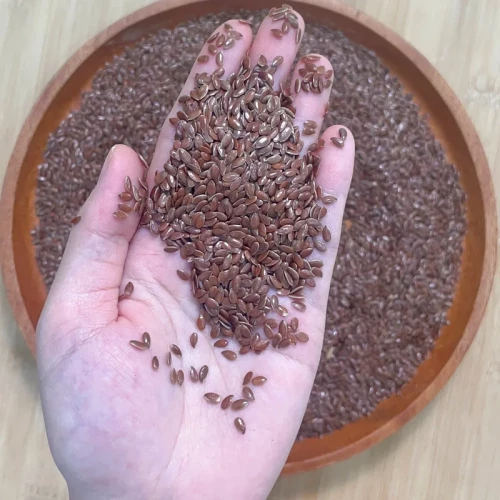
Flaxseed gel is created by simmering whole flaxseeds in water until the seeds release natural soluble fibers known as mucilage.
Once strained and cooled, the resulting gel has a smooth texture that can be applied to the skin or hair.
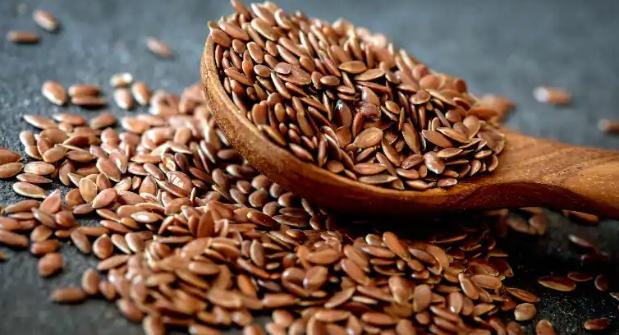
Flaxseeds themselves are rich in several beneficial nutrients, including:
-
Omega-3 fatty acids
-
Lignans
-
Dietary fiber
-
Vitamin E
-
Plant antioxidants
Although many of these nutrients are best obtained through diet, some water-soluble compounds remain present in homemade flaxseed gel.

Why Has Flaxseed Become Popular in Skincare?
Several characteristics make flaxseed gel appealing as a natural skincare ingredient.
It is:
-
Affordable
-
Easy to prepare
-
Free of added fragrances and dyes
-
Lightweight on the skin
-
Naturally forms a thin, flexible film after drying
Many users appreciate the temporary tightening sensation that occurs as the gel dries, which may create the impression of smoother skin for a short period.
This physical effect differs from permanent structural changes within the skin.
Can Flaxseed Gel Work Like Botox?
One of the most common online claims is that flaxseed gel is “stronger than Botox.”
Current scientific evidence does not support this claim.
Cosmetic botulinum toxin treatments work by temporarily relaxing specific facial muscles responsible for dynamic expression lines. This mechanism has been extensively studied in clinical settings.
Flaxseed gel works very differently.
When applied to the skin, it forms a lightweight film that may:
-
Create a temporary tightening sensation.
-
Leave the skin feeling smoother.
-
Improve the appearance of hydration.
-
Provide a soft, refreshed look after rinsing.
These cosmetic effects should not be considered equivalent to medical aesthetic procedures.
Rather than replacing professional treatments, flaxseed gel may serve as a simple moisturizing addition to an overall skincare routine.
Potential Skin Benefits Supported by Science
Although research specifically examining homemade flaxseed gel remains limited, scientists have investigated several components naturally found in flaxseed.
1. Antioxidant Protection
Flaxseeds contain lignans and other antioxidant compounds.
Antioxidants help protect skin cells from oxidative stress caused by everyday environmental factors such as sunlight and pollution.
While topical flaxseed gel has not been proven to eliminate wrinkles, antioxidant-rich skincare may contribute to maintaining healthy-looking skin.
2. Hydration
Well-hydrated skin generally appears:
-
Softer
-
Smoother
-
More supple
The natural gel created from flaxseed helps reduce temporary moisture loss from the skin’s surface, leaving the complexion feeling refreshed.
Hydrated skin can also make fine lines appear less noticeable for a short time.
3. Gentle Soothing Properties
Some laboratory studies suggest flaxseed contains compounds with anti-inflammatory activity.
Although more clinical research is needed, many people report that flaxseed gel feels soothing when applied to healthy skin.
Individuals with sensitive skin should still perform a small patch test before broader application.
Understanding Skin Aging
Wrinkles develop through several natural processes.
These include:
-
Gradual collagen reduction.
-
Decreased elastin production.
-
Repeated facial expressions.
-
Sun exposure.
-
Environmental stress.
-
Natural aging.
Because these changes occur deep within the skin, no single homemade ingredient has been proven to completely reverse them.
However, consistent skincare, sun protection, healthy nutrition, and appropriate moisturization can help maintain healthier-looking skin over time.
How to Prepare Flaxseed Gel
Making flaxseed gel at home requires only a few ingredients.
Ingredients
-
2 tablespoons whole flaxseeds
-
1 cup water
Preparation
-
Combine the flaxseeds and water in a small saucepan.
-
Simmer gently for approximately 10 to 15 minutes while stirring occasionally.
-
Once the mixture thickens into a gel-like consistency, remove it from the heat.
-
Strain through a fine mesh sieve or clean cloth while still warm.
-
Allow the gel to cool completely.
-
Store it in a clean, airtight container in the refrigerator.
Because homemade products contain no preservatives, they should generally be used within several days and discarded if any unusual odor or appearance develops.
How to Use Flaxseed Gel
For those interested in trying flaxseed gel, a simple routine may include:
-
Cleansing the skin first.
-
Applying a thin, even layer.
-
Allowing it to dry for approximately 15 to 20 minutes.
-
Rinsing gently with lukewarm water.
-
Following with a moisturizer suited to your skin type.
Using the gel two or three times each week may help maintain hydration and provide a pleasant skincare experience.
Results vary from person to person.

Can Essential Oils Be Added?
Some homemade recipes suggest adding essential oils.
While oils such as lavender or rosehip are popular in skincare, essential oils are highly concentrated and may cause irritation in some individuals.
Anyone choosing to use them should:
-
Dilute appropriately.
-
Perform a patch test.
-
Avoid contact with the eyes.
-
Stop use if irritation occurs.
Sensitive skin may benefit from using plain flaxseed gel without additional ingredients.
Additional Ways to Support Healthy Skin
Dermatologists generally recommend combining topical skincare with healthy lifestyle habits.
Helpful practices include:
-
Wearing sunscreen daily.
-
Eating a balanced diet rich in fruits and vegetables.
-
Drinking adequate water.
-
Sleeping sufficiently.
-
Avoiding tobacco products.
-
Managing stress.
-
Using gentle cleansers and moisturizers.
These evidence-based habits contribute more consistently to long-term skin health than relying on any single ingredient.
Cultural Traditions of Plant-Based Skincare
Natural skincare has deep historical roots across many cultures.
Plants, seeds, herbs, and botanical oils have traditionally been used in beauty routines because they were readily available and easy to prepare.
While some traditional remedies continue to inspire modern cosmetic research, scientists evaluate each ingredient individually to determine which benefits are supported by clinical evidence.
This balanced approach allows people to appreciate traditional practices while making informed skincare choices.
What Does Current Research Suggest?
Current scientific evidence suggests that flaxseed contains beneficial nutrients and antioxidant compounds.
Homemade flaxseed gel may:
-
Hydrate the skin.
-
Leave the surface feeling temporarily smoother.
-
Produce a mild tightening sensation after drying.
However, there is currently no strong clinical evidence showing that topical flaxseed gel produces effects comparable to cosmetic botulinum toxin treatments or permanently removes wrinkles.
More controlled human studies are needed before stronger conclusions can be made.
Conclusion
Flaxseed gel offers an affordable, simple, and natural addition to many skincare routines. Its gentle moisturizing properties, antioxidant content, and temporary skin-tightening effect make it an appealing option for individuals interested in plant-based beauty care.
At the same time, claims that flaxseed gel is “stronger than Botox” or can dramatically reverse skin aging are not supported by current scientific evidence. Healthy skin is best maintained through a combination of consistent skincare, sun protection, balanced nutrition, and realistic expectations.
Ultimately, our fascination with natural beauty remedies reflects humanity’s enduring curiosity about the relationship between nature and wellness. By combining traditional knowledge with modern scientific understanding, we can make thoughtful choices that support healthy, radiant skin throughout every stage of life.
Sources
-
American Academy of Dermatology
-
National Center for Complementary and Integrative Health
-
National Institutes of Health
-
International Journal of Molecular Sciences (skin aging research)
-
Journal of Cosmetic Dermatology
-
Nutrients (peer-reviewed nutrition journal)
-
Dermatologic Therapy
-
Mayo Clinic (skin care guidance)