
On a busy Saturday morning, a family gathered around the kitchen table for breakfast. Instead of reaching for sugary spreads or processed snacks, they sliced a ripe avocado and spread its creamy flesh over whole-grain toast. At first, it seemed like a small change. Yet over time, that simple habit inspired them to explore healthier meals filled with fresh vegetables, lean proteins, and nutrient-rich ingredients.
Stories like this reflect why avocados have become one of the world’s most celebrated fruits. Their smooth texture, mild flavor, and impressive nutritional profile have made them a favorite among home cooks, nutrition experts, and health-conscious eaters alike.
Unlike many fruits that are primarily rich in natural sugars, avocados stand out because they are packed with heart-healthy fats, dietary fiber, essential vitamins, minerals, and antioxidants. Scientific research continues to suggest that including avocados as part of a balanced diet may support cardiovascular health, digestive function, weight management, eye health, and overall wellness.
This article explores what makes avocados unique, examines the science behind their potential health benefits, and highlights cultural perspectives that have celebrated this remarkable fruit for centuries.
What Makes Avocados Unique?
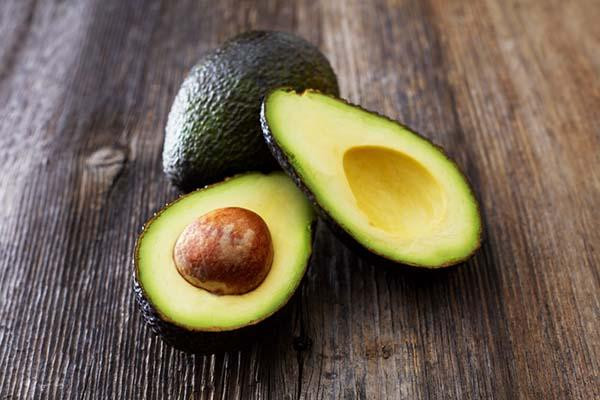
Avocados are the fruit of the avocado tree (Persea americana), which originated in Central and South America thousands of years ago. Today, they are grown in many warm climates around the world and have become a staple ingredient in a wide variety of cuisines.
Unlike most fruits, avocados are naturally rich in monounsaturated fats, particularly oleic acid, the same type of healthy fat found in olive oil. These fats contribute to the fruit’s creamy texture while offering several potential health benefits.
A typical avocado also provides:
- Monounsaturated fats
- Dietary fiber
- Potassium
- Folate
- Vitamin K
- Vitamin E
- Vitamin C
- Several B vitamins
- Magnesium
- Copper
- Antioxidants such as lutein and zeaxanthin
This combination of nutrients makes avocados one of the most nutrient-dense fruits available.
1. Supports Heart Health
One of the most thoroughly researched benefits of avocados relates to cardiovascular health.
Numerous studies suggest that replacing foods high in saturated fat with sources of unsaturated fats may help maintain healthy cholesterol levels.
The monounsaturated fats found in avocados may:
- Help support healthy LDL cholesterol levels when consumed as part of a balanced diet
- Contribute to maintaining beneficial HDL cholesterol
- Support healthy blood vessel function
Avocados also contain plant sterols, naturally occurring compounds that may contribute to healthy cholesterol metabolism.
In addition, their high potassium content helps support normal blood pressure by balancing sodium levels in the body.
Together, these nutrients make avocados a valuable component of heart-conscious eating patterns.
2. Rich in Fiber for Digestive Health
Dietary fiber plays an essential role in digestive wellness, and avocados provide an excellent source of both soluble and insoluble fiber.
Fiber contributes to healthy digestion by helping to:
- Promote regular bowel movements
- Support beneficial gut bacteria
- Increase feelings of fullness
- Help maintain stable blood sugar responses after meals
A medium avocado can provide a significant portion of an adult’s recommended daily fiber intake, making it easier to meet nutritional goals while enjoying flavorful meals.
3. May Support Healthy Weight Management
Because avocados contain both healthy fats and fiber, they are naturally satisfying.
Although they are more calorie-dense than many fruits, research suggests that foods promoting satiety may help reduce unnecessary snacking between meals.
People who include avocados in balanced eating patterns often report feeling full for longer periods.
Healthy weight management depends on many factors, including overall dietary habits, physical activity, sleep, and lifestyle. Avocados are not a magic solution, but they can be part of a nutritious eating plan that supports long-term wellness.
4. Supports Eye Health
Avocados contain two important carotenoid antioxidants:
- Lutein
- Zeaxanthin
These compounds naturally accumulate in the retina and help protect eye tissues from oxidative stress caused by everyday exposure to light.
Researchers continue studying their role in supporting healthy vision throughout life.
Another advantage of avocados is their healthy fat content, which improves the absorption of fat-soluble nutrients found in colorful vegetables such as carrots, spinach, and peppers.
Adding avocado to salads can therefore increase the nutritional value of the entire meal.
5. Enhances Nutrient Absorption
Some vitamins require dietary fat to be absorbed efficiently.
These include:
- Vitamin A
- Vitamin D
- Vitamin E
- Vitamin K
Since avocados naturally contain healthy fats, they help the body utilize these nutrients more effectively.
For example, pairing avocado with leafy greens or brightly colored vegetables may improve the absorption of beneficial plant compounds known as carotenoids.
This makes avocados an excellent companion ingredient rather than simply a nutritious food on their own.
6. Provides Powerful Antioxidants
Every day, the body produces free radicals as part of normal metabolism.
Environmental factors such as sunlight, pollution, and stress can also contribute to oxidative processes.
Avocados supply several antioxidant compounds that help protect cells from oxidative damage, including:
- Vitamin E
- Vitamin C
- Carotenoids
- Polyphenols
While antioxidants are only one part of maintaining good health, eating a variety of antioxidant-rich foods supports overall nutritional balance.

7. May Support Brain Function
The brain relies on healthy fats for normal structure and function.
Monounsaturated fats, such as those found in avocados, contribute to healthy circulation, including blood flow that supports brain tissues.
Avocados also provide nutrients linked with healthy cognitive function, including:
- Folate
- Vitamin E
- B vitamins
Although no single food can prevent age-related cognitive changes, a balanced dietary pattern rich in fruits, vegetables, healthy fats, and whole grains supports long-term brain health.
Cultural Significance of Avocados
Long before avocados became popular worldwide, they held an important place in the cultures of Central and South America.
Ancient civilizations valued the fruit for its rich texture, nourishing qualities, and versatility in cooking.
Today, avocados continue to play a central role in many traditional dishes, including salads, sandwiches, soups, and well-known recipes such as guacamole.
Their journey from regional specialty to global favorite reflects growing appreciation for wholesome, minimally processed foods.
Delicious Ways to Enjoy Avocados
One reason avocados remain so popular is their versatility.
They can be enjoyed in countless ways, including:
- Sliced on whole-grain toast
- Mixed into fresh salads
- Blended into smoothies
- Added to grain bowls
- Mashed into guacamole
- Served alongside grilled vegetables
- Used in wraps and sandwiches
- Combined with eggs for breakfast
Their mild flavor complements both savory and lightly sweet dishes.
Are There Any Downsides?
For most healthy individuals, avocados are considered safe and nutritious.
However, there are a few considerations.
Because avocados are relatively calorie-dense, portion size may be important for people managing total energy intake.
Some individuals may also experience food allergies or sensitivities, although these are relatively uncommon.
People with specific medical conditions or dietary concerns should consult a qualified healthcare professional for personalized advice.
Tips for Choosing and Storing Avocados
Selecting a good avocado is easier with a few simple guidelines.
Choose fruit that:
- Feels slightly soft when gently pressed
- Has intact skin without large bruises
- Is appropriate for when you plan to eat it
To ripen avocados more quickly, leave them at room temperature for several days.
Once ripe, refrigeration can help slow further softening and extend freshness.
If using only half an avocado, leaving the pit in place and covering the exposed flesh can help reduce browning.
The Science Continues to Evolve
Nutrition science constantly develops as researchers conduct new studies.
Current evidence supports including avocados within balanced dietary patterns that emphasize:
- Fruits
- Vegetables
- Whole grains
- Legumes
- Nuts
- Healthy fats
- Lean protein sources
Rather than focusing on any single “superfood,” experts generally recommend enjoying a wide variety of nutrient-rich foods to meet overall nutritional needs.
Avocados fit well within this broader approach to healthy eating.
Conclusion
Scientific research continues to highlight avocados as one of nature’s most nutrient-rich fruits. Their unique combination of healthy monounsaturated fats, dietary fiber, vitamins, minerals, and antioxidants may support heart health, digestive wellness, nutrient absorption, eye health, and healthy aging when enjoyed as part of a balanced diet.
For centuries, cultures have appreciated avocados for their nourishing qualities, and modern nutrition science continues to uncover new insights into their potential benefits. While no single food can guarantee perfect health, incorporating avocados into diverse, wholesome meals is a simple way to enrich both flavor and nutrition.
Ultimately, our fascination with foods like avocados reflects a broader human curiosity about the relationship between nature and well-being. By combining traditional culinary wisdom with evidence-based nutrition, we can make informed choices that support healthier lifestyles while enjoying the remarkable variety that the natural world provides.
Sources
- Harvard T.H. Chan School of Public Health
- American Heart Association
- Academy of Nutrition and Dietetics
- U.S. Department of Agriculture (USDA) FoodData Central
- National Institutes of Health (NIH) Office of Dietary Supplements
- Mayo Clinic
- World Health Organization (WHO)
- California Avocado Commission (nutrition resources)
- Journal of the American Heart Association
- Nutrients (peer-reviewed nutrition journal)