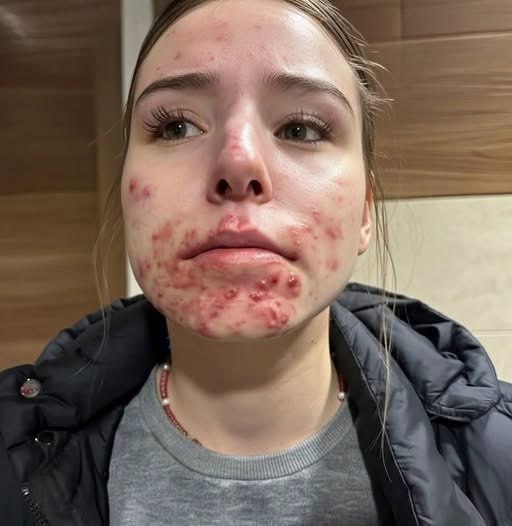
Have you ever looked in the mirror before an important meeting or special event and noticed a stubborn pimple sitting right on your chin? Many people assume acne disappears after the teenage years, but for millions of adults, unexpected breakouts remain a frustrating part of life.
Chin acne, in particular, has become increasingly common among adults of all ages. Unlike teenage acne, which often appears across the forehead and cheeks, adult chin breakouts frequently have underlying causes that go beyond oily skin alone. Hormonal fluctuations, stress, lifestyle habits, skincare routines, and even everyday objects can all play a role.
The good news is that adult chin acne is manageable. Understanding why it happens is the first step toward finding an effective treatment plan. In this article, we’ll explore the science behind adult chin acne while also addressing some common myths, helping you develop healthier skin habits that work over the long term.
What Makes Chin Acne Different?
Not all acne develops for the same reasons.
The chin and jawline contain numerous oil-producing glands that are particularly sensitive to hormonal changes. Because of this, breakouts in this area often reflect changes occurring inside the body rather than simply poor skincare.
Adult chin acne may appear as:
- Whiteheads
- Blackheads
- Red inflamed pimples
- Tender cyst-like bumps
- Recurring spots in the same location
These blemishes often heal more slowly than teenage acne and may return repeatedly.
The Role of Hormones in Adult Chin Acne
Hormones are among the most common contributors to persistent chin breakouts.
For Women
Hormonal fluctuations can occur throughout adulthood during various life stages, including:
- Menstrual cycles
- Pregnancy
- Perimenopause
- Menopause
- Starting or stopping hormonal birth control
These hormonal shifts can stimulate oil glands, increasing the likelihood of clogged pores and inflammation.
One medical condition frequently associated with adult acne is Polycystic Ovary Syndrome (PCOS). Women with PCOS may experience persistent jawline acne alongside irregular menstrual cycles and excess facial hair. If acne is severe or accompanied by other symptoms, consulting a healthcare professional is recommended.
For Men
Although hormonal changes are generally more gradual in men, testosterone continues influencing oil production throughout adulthood. Genetics, aging, and lifestyle factors may also contribute to recurring chin acne.
![infection or acne] : r/DermatologyQuestions](https://i.redd.it/infection-or-acne-v0-ntbc0jttktfe1.jpg?width=3024&format=pjpg&auto=webp&s=979a76cbdcae10c73fcc1e418cdd41d785a82e73)
Stress and Its Effect on Your Skin
Modern life places many demands on our physical and mental well-being.
Even when stress doesn’t feel overwhelming, the body produces cortisol, commonly known as the stress hormone. Elevated cortisol levels can encourage the skin to produce more oil, increasing the risk of clogged pores.
Common stress-related triggers include:
- Heavy workloads
- Financial concerns
- Family responsibilities
- Poor sleep
- Emotional stress
While stress alone doesn’t directly cause acne, it can worsen existing breakouts or make them last longer.
Healthy Ways to Reduce Stress
Small lifestyle adjustments may benefit both overall wellness and skin health.
Examples include:
- Daily walks outdoors
- Regular physical activity
- Meditation
- Deep breathing exercises
- Consistent sleep schedules
- Limiting screen time before bed
Managing stress supports overall health, which often reflects positively in the skin.
Diet and Adult Acne: Is There a Connection?
For years, researchers debated whether diet influenced acne.
Today, growing evidence suggests that certain dietary patterns may contribute to breakouts in some individuals.
Foods that may affect acne include:
- High-sugar snacks
- Sweetened beverages
- White bread
- Refined carbohydrates
- Some dairy products
These foods may increase insulin levels, which can influence hormones involved in oil production.
It’s important to note that dietary triggers vary from person to person. Eliminating entire food groups isn’t necessary for everyone.
Skin-Friendly Eating Habits
A balanced diet rich in whole foods supports overall health and may improve skin quality over time.
Consider including:
- Fresh fruits
- Leafy vegetables
- Whole grains
- Lean proteins
- Healthy fats from fish and nuts
- Plenty of water
Rather than following restrictive diets, aim for consistent healthy eating habits.

Are You Overwashing Your Face?
Many adults respond to acne by washing their face repeatedly.
Ironically, excessive cleansing can strip away the skin’s natural protective barrier, leading to irritation and potentially stimulating more oil production.
Instead, dermatologists generally recommend:
- Washing twice daily
- Using a gentle cleanser
- Avoiding harsh scrubs
- Patting the skin dry
- Applying moisturizer afterward
Gentle consistency usually works better than aggressive treatment.
Choosing the Right Skincare Products
Not every skincare product is suitable for acne-prone skin.
Look for products labeled:
- Non-comedogenic
- Oil-free
- Fragrance-free (if sensitive)
- Gentle for daily use
Ingredients commonly recommended for mild acne include:
Salicylic Acid
Helps unclog pores by removing excess oil and dead skin cells.
Benzoyl Peroxide
Helps reduce acne-causing bacteria on the skin.
Niacinamide
Supports the skin barrier while helping calm redness.
Retinoids
Often recommended for persistent acne because they encourage healthy skin cell turnover. Some retinoids require a prescription.
Introduce new products gradually to minimize irritation.
Could Hair Products Be Causing Chin Acne?
Hair care products sometimes contribute to breakouts around the jawline and chin.
Heavy oils, waxes, conditioners, and styling creams may transfer onto the skin throughout the day.
This type of breakout is sometimes referred to as “pomade acne.”
Helpful habits include:
- Washing hair regularly
- Keeping long hair away from the face
- Cleaning beard oils from the skin
- Choosing lighter styling products
Men with facial hair should also clean beards thoroughly to prevent oil and debris buildup.

Everyday Items That Can Trigger Breakouts
Surprisingly, everyday objects can transfer oil, dirt, and bacteria onto the skin.
Pay attention to:
Mobile Phones
Phone screens collect fingerprints, makeup residue, and bacteria.
Cleaning your phone regularly may reduce unnecessary skin contact with these substances.
Pillowcases
Oil and skincare products accumulate on pillowcases over time.
Changing pillowcases every few days can support cleaner skin.
Hands
Touching your face frequently transfers oils and microorganisms.
Becoming more aware of this habit can make a noticeable difference.
Common Myths About Adult Chin Acne
Many misconceptions still surround acne.
Myth 1: Acne Means You’re Dirty
False.
Acne develops inside clogged pores. Washing excessively cannot prevent hormonal acne.
Myth 2: Only Teenagers Get Acne
False.
Millions of adults continue experiencing acne into their 30s, 40s, and beyond.
Myth 3: Sun Exposure Clears Acne
Partially false.
Temporary drying may occur, but excessive sun exposure can irritate skin and increase long-term damage.
Myth 4: Popping Pimples Makes Them Heal Faster
False.
Picking at blemishes increases the risk of irritation, infection, and long-lasting scars.
When Should You See a Dermatologist?
Occasional breakouts are common.
However, professional evaluation may be beneficial if:
- Acne persists for several months.
- Over-the-counter treatments aren’t helping.
- Painful cysts develop.
- Scarring appears.
- Breakouts are accompanied by irregular menstrual cycles or other hormonal symptoms.
Dermatologists can recommend personalized treatment options based on the underlying cause.
These may include:
- Prescription topical medications
- Oral antibiotics (when appropriate)
- Hormonal treatments for eligible patients
- Retinoids
- Professional skincare procedures
Early treatment often prevents long-term skin changes.
Building a Simple Daily Routine
A complicated skincare routine isn’t always necessary.
A balanced routine may include:
Morning
- Gentle cleanser
- Lightweight moisturizer
- Broad-spectrum sunscreen
Evening
- Gentle cleanser
- Acne treatment if recommended
- Moisturizer
Consistency is far more important than using numerous products.
Lifestyle Habits That Support Healthy Skin
Healthy skin reflects overall wellness.
Simple habits include:
- Sleeping 7–9 hours each night
- Drinking enough water
- Exercising regularly
- Eating balanced meals
- Managing stress
- Avoiding smoking
- Limiting excessive alcohol intake
These habits benefit both your skin and your general health.
Can Adult Chin Acne Be Prevented?
While hormonal changes cannot always be prevented, many contributing factors can be managed.
Long-term success usually comes from:
- Gentle skincare
- Healthy lifestyle choices
- Appropriate treatments
- Patience
Skin renewal takes time, and noticeable improvements often require several weeks of consistent care.
![Before&After] 4 years of Staph Acne-Recovery : r/SkincareAddiction](https://i.redd.it/before-after-4-years-of-staph-acne-recovery-v0-f2c0yf1cu7jf1.jpg?width=2241&format=pjpg&auto=webp&s=b0361422faf841f9898d4d89bb4075e640f73410)
Conclusion
Adult chin acne can be frustrating, especially when it appears long after the teenage years seem behind you. Fortunately, modern research shows that these breakouts are often influenced by a combination of hormones, stress, skincare habits, diet, and environmental factors rather than poor hygiene alone.
Instead of chasing quick fixes, focus on understanding your skin’s unique needs. A gentle skincare routine, balanced lifestyle, and professional guidance when necessary can significantly improve long-term skin health.
Most importantly, remember that clear skin is a journey rather than an overnight achievement. By approaching adult acne with patience, evidence-based care, and realistic expectations, you can build healthier habits that benefit not only your complexion but your overall well-being.
Sources
- American Academy of Dermatology (AAD) – https://www.aad.org
- Mayo Clinic – Adult Acne Overview – https://www.mayoclinic.org
- National Institute of Arthritis and Musculoskeletal and Skin Diseases (NIAMS) – https://www.niams.nih.gov
- Cleveland Clinic – Adult Acne Causes and Treatment – https://my.clevelandclinic.org
- Harvard Health Publishing – Understanding Adult Acne – https://www.health.harvard.edu