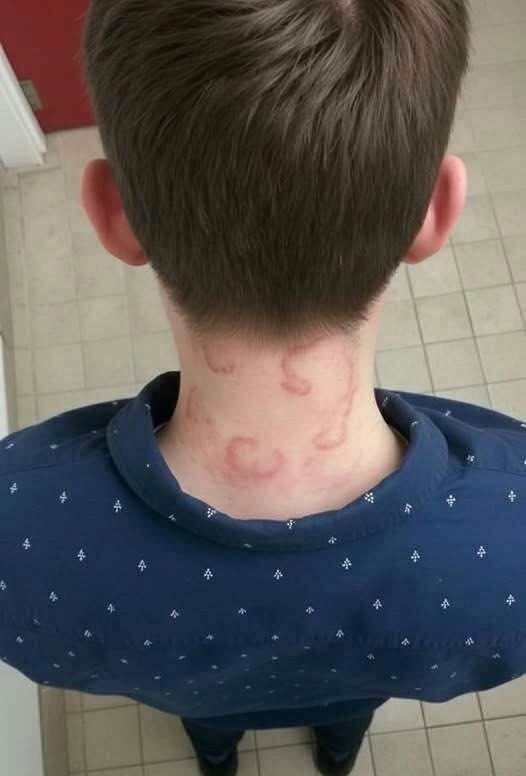
It often begins with a worried parent noticing itchy red patches that seem to appear without warning. One day, the rash covers a child’s arms. The next day, it disappears, only to reappear on the legs or back. Weeks pass, and despite creams, careful observation, and home remedies, the mysterious welts keep returning.
Many families experience this uncertainty when a child develops hives, medically known as urticaria. Seeing an 8-year-old struggle with recurring itchy skin for two months can naturally raise concerns. Is it an allergy? Could it be stress? Is something more serious happening?
The reassuring news is that persistent hives are relatively common in children. While they can be frustrating, most cases are manageable with proper evaluation and treatment. Understanding how urticaria works can help parents recognize potential triggers, know when to seek medical advice, and support their child’s comfort while symptoms improve.
This guide explores the science behind childhood hives, common causes, available treatments, and practical ways families can help children experiencing chronic urticaria.
What Are Hives (Urticaria)?
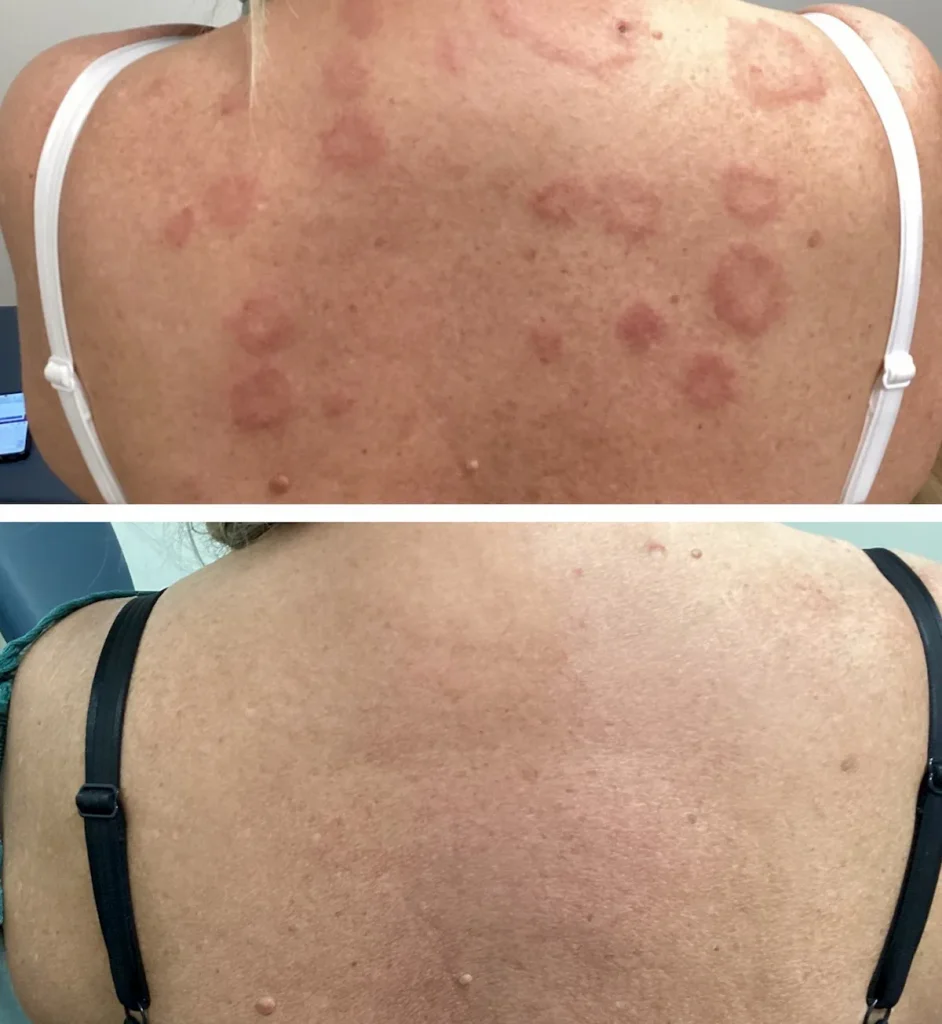
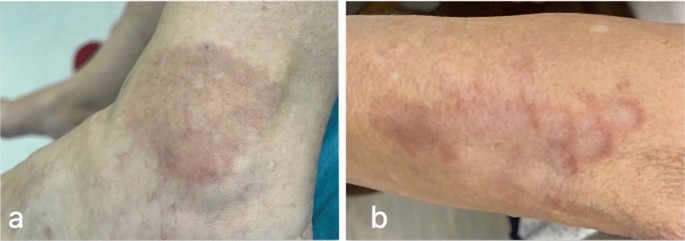
Urticaria is a skin condition characterized by raised, itchy welts that can appear anywhere on the body. These welts may be:
- Small or large
- Round or irregular
- Pink, red, or skin-colored
- Joined together into larger patches
One unusual feature of hives is that they often move around the body. A patch on one arm may disappear within hours while a new one appears elsewhere.
The itching can range from mild to intense, sometimes interfering with sleep, school activities, or daily comfort.
Although the rash itself usually fades within 24 hours, new welts may continue appearing for days, weeks, or even months.
Why Do Hives Develop?
Hives occur when specialized immune cells called mast cells release histamine and other natural chemicals into the skin.
Histamine causes:
- Small blood vessels to widen
- Fluid to leak into surrounding tissue
- Swelling
- Redness
- Itching
This response is part of the body’s normal immune system. However, in urticaria, the reaction occurs even when there is no harmful threat.
For many children, doctors never identify one specific cause.
Acute vs. Chronic Urticaria
Doctors generally classify hives according to how long symptoms last.
Acute Urticaria
Acute urticaria lasts less than six weeks.
It is commonly associated with:
- Viral infections
- Food allergies
- Medication reactions
- Insect stings
- Temporary environmental exposures
Many children experience acute hives at least once during childhood.
Chronic Urticaria
When symptoms continue for more than six weeks, the condition is called chronic urticaria.
Contrary to popular belief, chronic urticaria is usually not caused by food allergies.
Instead, it often develops because the immune system remains unusually active, even without a clear trigger.
Children with chronic urticaria may have symptoms that come and go for several months before gradually improving.
Common Triggers in Children
Although many cases have no obvious cause, several factors may contribute to recurring hives.
Viral Infections
Even after a child appears to recover from a cold or flu, the immune system may remain activated for weeks.
Many pediatricians consider viral infections one of the leading causes of prolonged hives in children.
Physical Triggers
Certain physical conditions can stimulate hives, including:
- Scratching the skin
- Pressure from backpacks
- Tight clothing
- Cold temperatures
- Heat
- Exercise
- Sweating
- Sunlight
These forms are known as physical urticaria.
Allergies
Some allergies can produce hives, including reactions to:
- Certain foods
- Insect stings
- Medications
- Latex
However, ongoing daily hives lasting months are less commonly caused by food allergies alone.
Stress
Emotional stress does not directly cause urticaria, but it may worsen symptoms in children who are already prone to developing hives.
School changes, examinations, family transitions, or anxiety may contribute to flare-ups.
What Is Angioedema?
Some children experience deeper swelling known as angioedema.
Unlike ordinary hives, angioedema affects deeper layers beneath the skin.
Common areas include:
- Lips
- Eyelids
- Hands
- Feet
The swelling may feel tight or uncomfortable rather than itchy.
Most cases improve within a day or two.
However, swelling involving the throat or difficulty breathing requires immediate emergency medical attention.
Can Chronic Hives Be Serious?
The appearance of chronic hives often worries families, but fortunately, the majority of children remain otherwise healthy.
Doctors generally evaluate:
- Symptom pattern
- Duration
- Possible triggers
- Associated illnesses
- Family history
Only a small percentage of chronic urticaria cases are linked to more complex medical conditions.
For many children, the condition eventually resolves on its own.
How Doctors Diagnose Urticaria
Diagnosis usually begins with a detailed medical history.
A healthcare professional may ask questions such as:
- When did symptoms begin?
- How long does each rash last?
- Does exercise trigger it?
- Does cold weather make it worse?
- Are new medications involved?
- Has the child recently been ill?
In uncomplicated cases, extensive laboratory testing is often unnecessary.
If symptoms suggest another condition, doctors may recommend:
- Blood tests
- Allergy evaluation
- Autoimmune screening
- Infection testing
Testing depends on each child’s individual history rather than being routine for every patient.
Treatment Options
Treatment focuses on controlling symptoms while allowing the immune system to settle naturally.
Antihistamines
Modern non-drowsy antihistamines are considered the first-line treatment.
They help reduce:
- Itching
- Swelling
- New hive formation
Doctors sometimes adjust dosage for chronic symptoms under medical supervision.
Moisturizers and Cooling Measures
Although hives originate inside the skin rather than on its surface, gentle skincare may provide additional comfort.
Helpful measures include:
- Cool compresses
- Fragrance-free moisturizers
- Loose cotton clothing
- Keeping rooms comfortably cool
Corticosteroids
Short courses of oral corticosteroids may occasionally be prescribed for severe flare-ups.
Because of potential side effects, they are generally reserved for limited situations rather than long-term management.
Identifying Triggers
Keeping a symptom diary may help reveal patterns.
Parents can note:
- Meals
- Activities
- Exercise
- Weather
- Illnesses
- New products
- Medications
Sometimes no pattern emerges, which is also common.
Everyday Tips for Parents
Supporting a child with chronic hives involves practical daily care.
Helpful strategies include:
- Encourage regular hydration.
- Keep fingernails short to reduce scratching damage.
- Choose gentle soaps without heavy fragrances.
- Avoid overheating during exercise.
- Dress children in breathable fabrics.
- Follow prescribed medications consistently.
Children also benefit from reassurance.
Visible rashes can sometimes cause embarrassment or concern at school, even though urticaria is not contagious.
Myths About Hives
Several misconceptions continue to circulate.
Myth: Every case is caused by food allergies.
Reality: Most chronic childhood hives are not linked to a specific food.
Myth: Hives always indicate a dangerous illness.
Reality: The vast majority of children recover without developing serious disease.
Myth: Scratching spreads hives.
Reality: Scratching does not spread the condition, although it may trigger additional welts in children with sensitive skin.
Myth: Hives are contagious.
Reality: Urticaria cannot be passed from one person to another.
When Should Parents Seek Medical Advice?
Parents should arrange medical evaluation if:
- Hives last longer than six weeks.
- Symptoms frequently return.
- Swelling affects the lips or eyelids.
- The child experiences significant discomfort.
- Symptoms interfere with sleep or school.
Immediate emergency care is recommended if a child develops:
- Difficulty breathing
- Difficulty swallowing
- Severe facial or throat swelling
- Sudden dizziness or fainting
These symptoms require urgent medical assessment.
Long-Term Outlook
The outlook for childhood chronic urticaria is generally encouraging.
Many children gradually experience fewer outbreaks over time.
Research suggests that a significant number recover completely within several years, although the timeline varies from child to child.
Regular follow-up with a healthcare provider helps ensure symptoms remain well controlled while monitoring for any changes that may require additional evaluation.
Parents should remember that improvement is often gradual rather than immediate.

Conclusion
Persistent hives in an 8-year-old can be unsettling, especially when symptoms continue for several weeks or months. Yet in most cases, chronic urticaria represents an overactive but manageable immune response rather than a dangerous illness.
Understanding how hives develop, recognizing common triggers, and working closely with healthcare professionals can greatly improve both symptom control and quality of life. While every child’s experience is unique, patience, consistent care, and evidence-based treatment often lead to steady improvement.
Stories of recurring hives remind us that the human body is remarkably complex. Even when a condition appears mysterious, scientific research continues to uncover the immune mechanisms behind it, helping families replace uncertainty with knowledge, confidence, and hope.
Sources
- American Academy of Dermatology (AAD) – Urticaria (Hives): https://www.aad.org
- American Academy of Allergy, Asthma & Immunology (AAAAI): https://www.aaaai.org
- National Health Service (NHS) – Hives (Urticaria): https://www.nhs.uk
- Mayo Clinic – Chronic Hives: https://www.mayoclinic.org
- DermNet NZ – Urticaria: https://dermnetnz.org
- World Allergy Organization (WAO): https://www.worldallergy.org