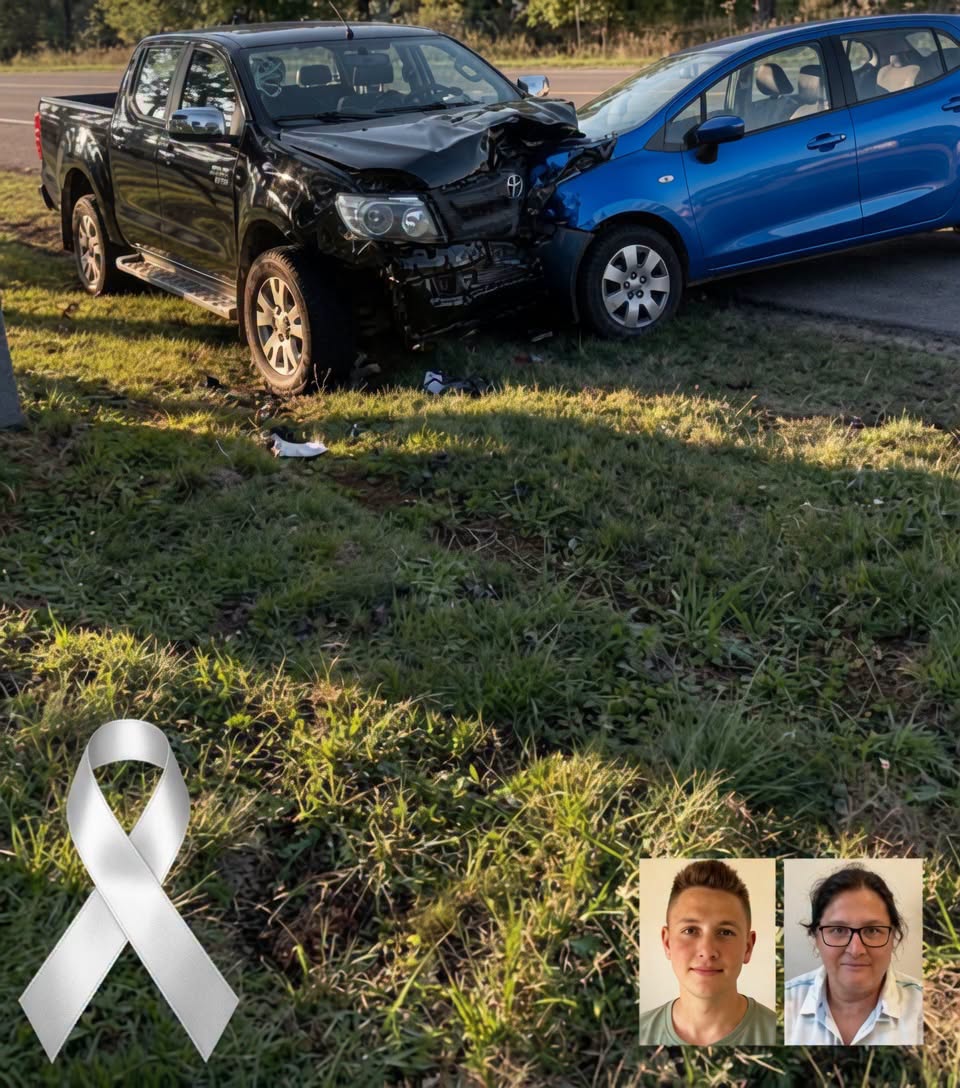
Twelve young lives vanished in seconds on a dark road near the municipality of Nuporanga, in the countryside of São Paulo state, Brazil. Sirens, twisted metal, and unanswered phones cut through the night as families waited for messages that never came. Classrooms fell silent, a university community entered into mourning, and an entire state struggled to understand what had happened. This article examines what is publicly known about the tragedy, places it in the broader context of road safety, and explores how authorities and societies can work to prevent similar losses in the future.
The Night of the Accident
According to early reports from Brazilian authorities and local media, the crash occurred at night on a regional highway near Nuporanga, a small city in the interior of São Paulo state. A vehicle transporting young people, reported to be either students or recent graduates returning from an academic or social activity, collided with another vehicle on the road. The impact was severe enough that twelve passengers died at the scene or shortly thereafter, while several others were injured and required urgent medical care.
Emergency services, including local fire brigades, military police, and ambulance teams, responded to calls from motorists who witnessed or came upon the wreckage. The highway was temporarily closed as rescuers worked under difficult night-time conditions to remove victims from the vehicles, provide first aid, and transport the injured to nearby hospitals. For hours, the sound of sirens replaced the usual rural quiet, while families tried in vain to call phones that would never again ring.

Families, Friends, and a Community in Mourning
The human impact of the Nuporanga crash goes far beyond the numbers. Each of the twelve young people had a story, a family, and future plans that ended abruptly. Local reports described parents and relatives gathering anxiously at hospitals, police stations, and university buildings, seeking confirmation about their loved ones. Some learned that their children were among the survivors; others received the most devastating news a parent can hear.
Schools and universities associated with the victims declared days of official mourning, suspending classes and organizing remembrance ceremonies. In lecture halls that had been full of discussions about exams, projects, and careers, there were now memorials, candles, and photographs. Teachers and administrators worked with mental health professionals to offer psychological support to classmates and staff, recognizing that processing such a sudden loss can take months or years.
In Nuporanga and surrounding towns, churches and community centers held ecumenical services and vigils. Religious leaders of different faiths emphasized solidarity, compassion, and shared grief. Local officials expressed condolences to the families and pledged to cooperate fully with investigations into the cause of the accident.
What Authorities Are Investigating
As with any serious road crash involving multiple fatalities, Brazilian authorities opened a formal investigation. Police and traffic experts typically examine several key aspects to determine what happened and whether anyone may bear legal responsibility:
- Condition of the drivers: Investigators usually check whether drivers involved were properly licensed, whether they were fatigued, distracted, or under the influence of alcohol or drugs, and whether they followed traffic laws such as speed limits and overtaking rules.
- Condition of the vehicles: Technical experts often inspect the braking system, tires, lights, steering, and overall maintenance record of vehicles involved in serious crashes. In some cases, mechanical failure or poor maintenance plays a central role.
- Road and environmental conditions: The state of the road surface, signage, lighting, and the presence of curves, intersections, or roadside obstacles are analyzed. Weather conditions at the time of the crash, such as rain or fog, are also considered.
- Use of safety equipment: Authorities may assess whether passengers were using seat belts and whether the transport company or driver provided and enforced safety measures.
- Compliance with transport regulations: If the vehicle was a chartered bus or van, investigators check whether the company complied with all licensing requirements, rest time rules for drivers, and limits on passenger numbers.
Official conclusions often require time. Experts reconstruct the events through witness statements, technical analyses, and, when available, camera footage or tachograph records. While the search for answers is essential, officials and experts generally warn against premature speculation and emphasize respecting the privacy and grief of the families involved.
Road Safety in Brazil: A Broader Context
The Nuporanga tragedy is not an isolated event. Brazil, like many large countries with extensive road networks, faces persistent challenges related to traffic safety. According to data cited by international organizations such as the World Health Organization and the World Bank, Brazil has historically recorded tens of thousands of traffic fatalities per year, with a significant proportion involving young people.
Several structural issues contribute to the risk:
- Long distances and reliance on road transport: Many students and workers depend on buses, vans, and private cars to travel between small towns and regional centers. In some areas, there are limited alternatives such as railways.
- Variable road quality: Federal and state highways differ widely in their condition. Some stretches are well maintained and monitored, while others suffer from potholes, poor signage, or insufficient lighting.
- Enforcement challenges: Authorities have increased the use of speed cameras, breathalyzer checkpoints, and electronic monitoring, but enforcing traffic laws consistently across large territories remains complex.
- Risk behaviors: Excessive speed, drunk driving, use of mobile phones while driving, and failure to use seat belts continue to be recurring factors in serious accidents.
In response, Brazilian federal and state governments have implemented a series of measures over the past decade, including stricter laws on drunk driving, campaigns to encourage seat belt use, and infrastructure projects aimed at improving road safety. However, tragedies like the one near Nuporanga highlight that further efforts are needed, particularly regarding safe transport for students and young adults.
Expert Views on Preventing Similar Tragedies
Road safety specialists, urban planners, and public health experts often stress that serious crashes are not “inevitable accidents” but events that can be substantially reduced through coordinated policies. Based on widely accepted research and international best practices, several lines of action are frequently recommended:
- Safe system approach: This concept, promoted by organizations such as the World Health Organization and the World Bank, recognizes that humans make mistakes. The goal is to design roads, vehicles, and regulations that prevent these mistakes from resulting in deaths or severe injuries. Measures include safer road design, speed management, and improved vehicle safety standards.
- Better regulation and oversight of passenger transport: For student transport and chartered buses, clear rules on maximum driving hours, mandatory rest periods, vehicle inspection schedules, and driver training can reduce risks.
- Infrastructure improvements on critical routes: High-risk stretches, particularly those frequently used by school and university transport, can be prioritized for upgrades, such as improved lighting, guardrails, clearer signage, and separation between lanes traveling in opposite directions.
- Education and awareness for young people: Campaigns targeting students can encourage safer choices, such as insisting on seat belt use, avoiding unnecessary night-time travel on dangerous roads, and recognizing warning signs of a fatigued or impaired driver.
- Data-driven policies: Collecting accurate data on crashes, including location, type of vehicles, and contributing factors, allows authorities to focus resources where they can have the greatest impact.
In interviews following large-scale road tragedies, many experts emphasize that meaningful change requires a combination of political will, investment in infrastructure, corporate responsibility from transport providers, and public engagement.
International and Societal Reactions
While the Nuporanga crash is a national tragedy, it also resonates with global concerns about young people’s safety on the roads. International organizations dedicated to traffic injury prevention often highlight that road crashes are a leading cause of death among those aged 5–29 worldwide. Similar incidents in other countries have prompted reforms and public debates on student transport and night travel.
Societal reactions typically include calls for:
- Stronger enforcement of existing laws: Many citizens demand stricter checks on speed, alcohol consumption, and vehicle maintenance, especially for vehicles transporting groups.
- Transparency in investigations: Families and communities often seek clear, accessible explanations of what happened and whether any negligence occurred.
- Public investment in safer alternatives: In some regions, tragedies have reignited discussions on investing in safer public transport, including rail or dedicated school bus systems with high safety standards.
Social networks and digital platforms can amplify both grief and demands for action. When such events occur, hashtags and online campaigns often emerge, not only to honor the victims but also to advocate for policy changes. Although online discussions can sometimes spread unverified information, they can also bring attention to long-standing safety issues and pressure authorities to respond.
The Role of Educational Institutions
Universities and schools confronted with the loss of students face a dual responsibility: supporting those who are grieving and contributing to long-term safety improvements. Many institutions, in Brazil and worldwide, respond to serious transport incidents by reviewing their own travel policies and risk management procedures.
Common measures include:
- Stricter criteria for contracted transport: Educational institutions may require charter companies to demonstrate up-to-date vehicle inspections, driver training certifications, and compliance with rest-time regulations.
- Guidelines for student travel: Universities can provide clear recommendations for student associations and clubs that organize trips, including preferred departure times, maximum driving hours per day, and minimum safety equipment.
- Psychological support services: Counseling centers and student support offices often expand their availability in the weeks after a tragedy, offering both individual and group sessions.
- Memorial and remembrance initiatives: Ceremonies, scholarships, or academic events dedicated to the memory of the victims can help the community honor their lives and keep attention on safety issues.
By taking these steps, educational institutions can help ensure that the loss of twelve young lives near Nuporanga leads not only to mourning but also to concrete efforts to protect future generations of students.

Moving Forward While Honoring the Victims
No technical explanation or safety reform can fully heal the pain of the families affected by the Nuporanga tragedy. For parents, siblings, friends, and teachers, the absence of those twelve young people will be felt in everyday moments: an empty desk in a lecture hall, a missing chair at the family table, messages that will never again appear on a phone screen.
However, respectful and careful investigation, combined with honest public discussion and evidence-based policy, can reduce the likelihood of future tragedies. As authorities continue to examine the circumstances of the crash, society has an opportunity to reflect on how roads are designed, how transport is regulated, and how the safety of young people is prioritized.
The memory of those who died near Nuporanga can serve as a call to action: to demand safer infrastructure, more responsible behavior from all road users, and a culture that values every life on the road as irreplaceable.