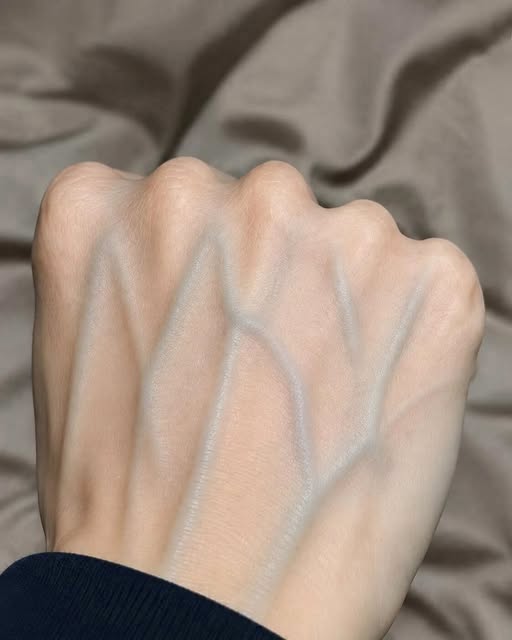
One morning, you look in the mirror and notice something different.
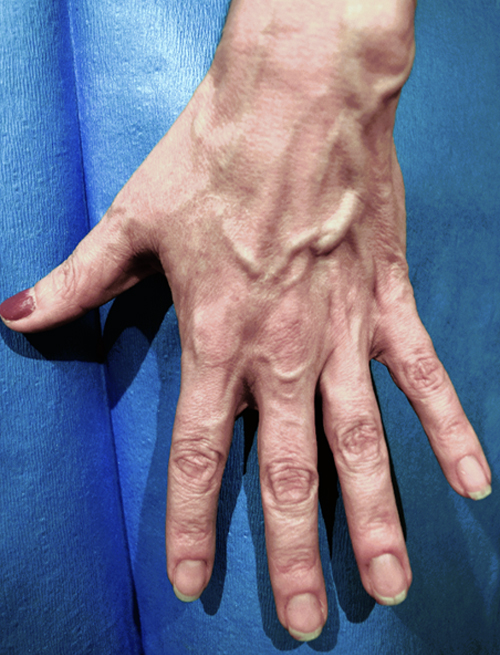
The veins on your hands seem more noticeable. The lines on your arms appear clearer than before. Perhaps the veins on your legs look more prominent after a long day.
For many people, this moment creates curiosity.
Are these changes simply part of getting older? Are they connected to exercise, genetics, or lifestyle? Or are they signs that your body is asking for more attention?
The truth is that visible veins can have many explanations. Sometimes they are a completely normal part of the human body. Other times, changes in appearance combined with discomfort or other symptoms may suggest that it is worth speaking with a healthcare professional.
Our veins are an important part of the circulatory system, quietly working every day to help move blood throughout the body. Understanding them allows us to better recognize what is normal and when a change deserves attention.
The Amazing Role of Veins in the Human Body
The human circulatory system is a complex network that keeps the body functioning.
While arteries carry blood away from the heart, veins help return blood back toward the heart. This process supports the delivery of oxygen and nutrients while helping maintain balance throughout the body.
Veins contain small structures called valves that help guide blood in the correct direction, especially in areas such as the legs where blood must move upward against gravity.
Healthy circulation depends on many factors, including:
Physical activity
Heart function
Muscle movement
Hydration
Overall lifestyle habits
Because veins are close to the surface of the skin in many areas, they can sometimes become visible without representing a health concern.
Why Some People Have More Visible Veins
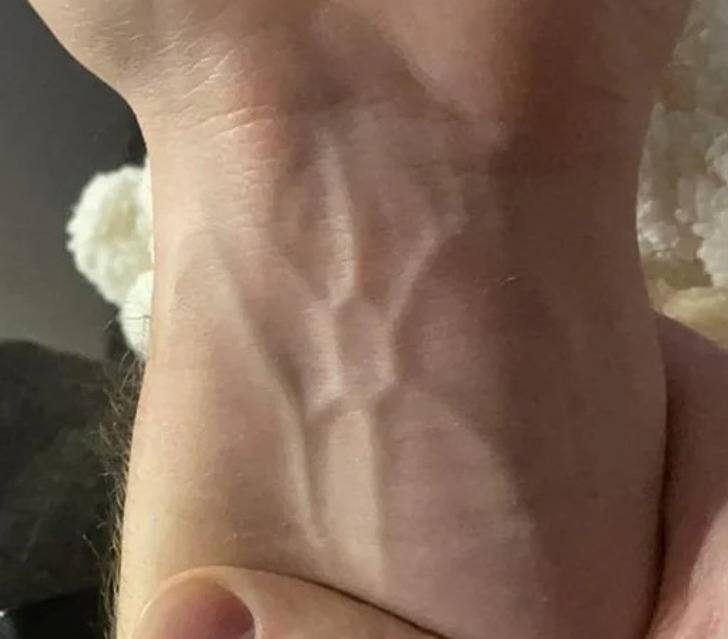
One of the most common reasons veins become noticeable is simply natural variation.
Every person’s body is different.
Some people naturally have veins that appear more clearly because of:
Genetics
Skin thickness
Body composition
Age
Activity levels
People with lower amounts of body fat may notice veins more because there is less tissue between the skin and underlying blood vessels.
Athletes and physically active individuals may also experience temporary vein visibility because exercise increases blood flow to working muscles.
This process, often called vasodilation, allows blood vessels to expand temporarily to support the body’s increased demands.
In these cases, visible veins are simply part of how the body adapts.
The Connection Between Aging and Vein Visibility
As people grow older, the body naturally changes.
The skin gradually becomes thinner and may produce less collagen, the protein that helps maintain firmness and structure.
When the skin becomes thinner, veins that were previously less noticeable may become easier to see.
This does not automatically mean something is wrong.
Aging affects every part of the body, and changes in appearance are often a normal part of life.
However, paying attention to new or unusual changes can still be helpful.
The important factor is not just visibility itself, but whether other symptoms appear alongside it.
When Visible Veins May Need More Attention
A visible vein alone is usually not a reason for concern.
However, certain changes may deserve professional evaluation.
Examples include:
Persistent swelling
Discomfort or aching
Changes in skin appearance
A feeling of heaviness in the legs
Veins that become enlarged or twisted
These signs may sometimes be associated with circulation problems.
One example is varicose veins, which occur when vein walls or valves do not work as effectively as they should.
When this happens, blood may collect in certain areas, causing veins to become larger and more noticeable.
Understanding Varicose Veins
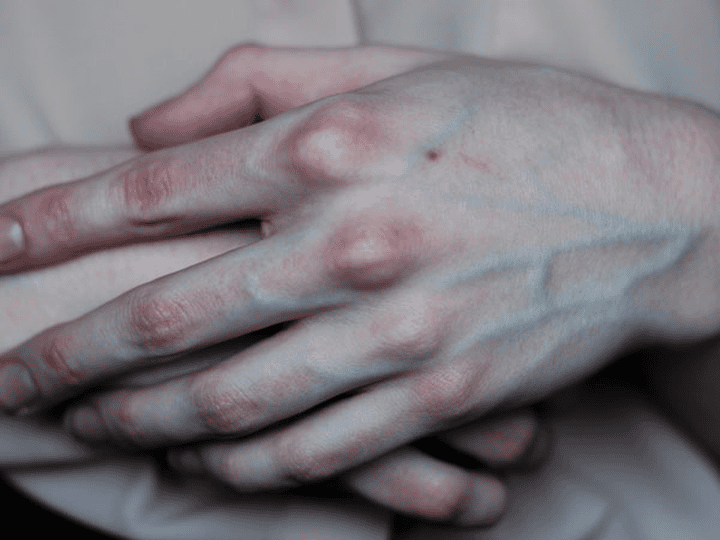
Varicose veins are enlarged veins that often appear on the legs.
They can look:
Raised
Twisted
Expanded
More visible beneath the skin
Many people experience them, especially as they age.
Several factors may contribute to their development, including:
Family history
Long periods of standing
Pregnancy
Age-related changes
Lifestyle factors
Although some people mainly notice their appearance, others may experience sensations such as tiredness, pressure, or discomfort.
A healthcare professional can help determine whether treatment or monitoring is needed.
The Science of Healthy Circulation
The body has several natural systems that support blood movement.
One important helper is muscle activity.
When people walk or move their legs, muscles contract and assist veins in pushing blood back toward the heart.
This is sometimes called the muscle pump.
This explains why regular movement is important for circulation.
Simple habits can support healthy blood flow, such as:
Taking walking breaks
Stretching regularly
Changing positions throughout the day
Staying physically active
Small daily actions can contribute to long-term wellbeing.
Lifestyle Habits That Support Vein Health
Healthy circulation is connected to overall health.
Several lifestyle choices may support the body’s vascular system.
Staying Active
Movement encourages circulation and helps muscles support the veins.
Activities such as walking, swimming, and cycling can be beneficial forms of exercise for many people.
Maintaining a Balanced Diet
A balanced eating pattern supports the entire body.
Foods containing fiber, fruits, vegetables, and essential nutrients contribute to overall wellness.
Staying Hydrated
Water plays an important role in many body functions, including circulation.
Maintaining adequate hydration helps the body operate efficiently.
Avoiding Long Periods of Inactivity
Sitting or standing in the same position for extended periods may contribute to feelings of heaviness or discomfort.
Regular movement breaks can help.
The Cultural Fascination With the Human Body
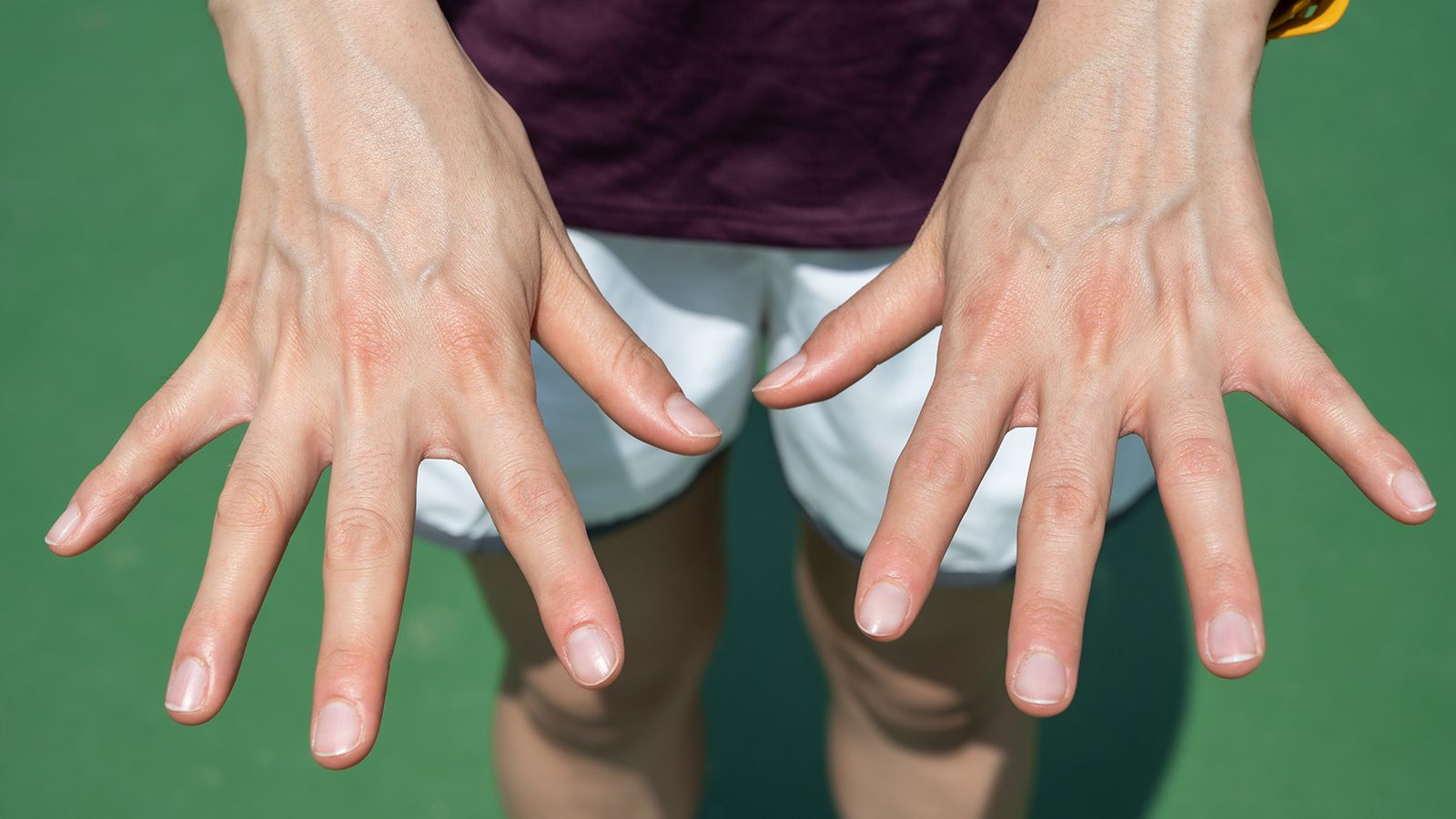
Throughout history, humans have been fascinated by the body.
Ancient cultures studied anatomy, healing traditions, and the connection between physical appearance and wellbeing.
Visible signs on the body have often inspired curiosity.
Today, science allows us to understand these features more accurately.
Rather than viewing every physical difference as a warning sign, modern medicine encourages observation, knowledge, and informed decisions.
The human body is not only a biological system.
It is also a reflection of genetics, environment, and personal experiences.
Separating Myths From Scientific Understanding
Many myths exist about visible veins.
One common misconception is that prominent veins always mean someone is healthier or stronger.
While visible veins can appear in athletic people, they can also occur for many other reasons.
Another misconception is that every visible change indicates a serious problem.
In reality, many visible veins are harmless.
The key is understanding patterns.
A stable feature that has existed for years is different from a sudden change accompanied by discomfort.
Listening to Your Body With Awareness
Your body communicates in many ways.
Changes in appearance, energy, comfort, or movement can provide useful information.
The goal is not to become worried about every small difference.
Instead, awareness helps people make better decisions.
Noticing changes early allows people to seek guidance when needed and maintain healthy habits over time.
Conclusion: The Quiet Messages Our Bodies Share
Visible veins tell a fascinating story about the human body.
Sometimes they reflect genetics, exercise, aging, or natural differences.
Sometimes they encourage us to pay closer attention to our health.
Science helps us understand how circulation works, while curiosity encourages us to learn more about ourselves.
The body is constantly adapting and changing.
By observing those changes with knowledge and balance, we become better connected to our own wellbeing.
The most important lesson is simple: understanding your body is one of the first steps toward caring for it.
Sources
National Heart, Lung, and Blood Institute (NHLBI)
https://www.nhlbi.nih.gov/
Mayo Clinic
https://www.mayoclinic.org/
Cleveland Clinic
https://my.clevelandclinic.org/
Centers for Disease Control and Prevention (CDC)
https://www.cdc.gov/
American Heart Association (AHA)
https://www.heart.org/