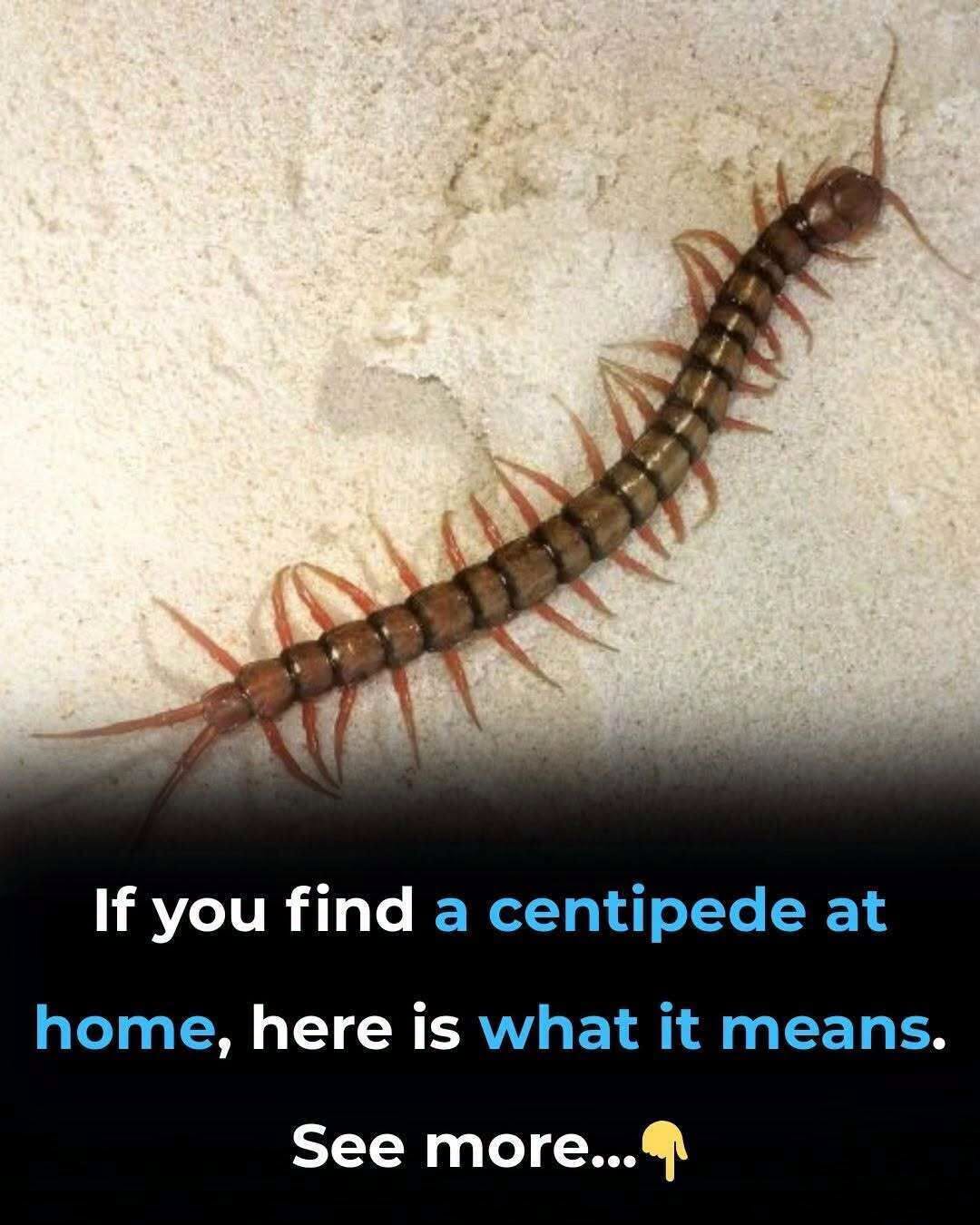
It often happens when we least expect it.
You walk into a quiet room late at night, turn on the light, and suddenly notice something moving quickly across the floor. Its many legs and unusual appearance can create an instant feeling of surprise.
For many homeowners, seeing a centipede indoors brings a moment of uncertainty. Why is it there? Did it enter by accident? Does it mean there is a bigger problem?
While centipedes may look unusual, their presence often tells a story about the environment around us. These small creatures are not usually interested in people. Instead, they are searching for the things every living creature needs: food, moisture, and shelter.
Understanding why centipedes appear can transform a moment of concern into an opportunity to learn more about the natural world.
Why Do Centipedes Enter Homes?
Centipedes do not typically enter houses because they want to interact with humans.
They are simply responding to their surroundings.
Like many small creatures, they look for places that provide:
Moisture
Protection
Stable temperatures
Access to food
Homes can accidentally provide all of these conditions, especially in areas such as bathrooms, basements, laundry rooms, and storage spaces.
A centipede appearing inside may simply mean that the environment is comfortable for it.

Centipedes as Nature’s Tiny Hunters
One of the most interesting facts about centipedes is that they are predators.
Unlike insects that feed on leftover food or organic materials, centipedes search for other small creatures.
Their natural diet may include:
Spiders
Ants
Silverfish
Small insects
Other household pests
This means that finding a centipede may sometimes indicate the presence of other insects nearby.
In a surprising way, centipedes can act as natural pest controllers by helping reduce populations of other small creatures.
Their presence does not always represent a problem. Sometimes, it is simply part of the balance of nature.
Moisture: A Major Attraction
One of the biggest reasons centipedes appear indoors is humidity.
Centipedes need moisture to survive, which is why they are often found in damp areas.
Common locations include:
Bathrooms
Under sinks
Laundry areas
Basements
Crawl spaces
Poorly ventilated rooms
If centipedes repeatedly appear in the same location, it may be useful to check the area for moisture issues.
A small leak, poor airflow, or excess humidity can create an environment that attracts many types of small organisms.
Improving ventilation and reducing unnecessary moisture can make indoor spaces less attractive to unwanted visitors.
Weather Changes and Indoor Visitors
Environmental changes also influence when centipedes appear.
During periods of heavy rain, hot weather, or changing temperatures, small creatures often search for more comfortable spaces.
A home provides:
Protection from extreme conditions
Consistent temperatures
Places to hide
A source of food
From the centipede’s perspective, entering a building may simply be a survival choice.
It is not necessarily a sign that something is wrong. It may simply reflect the connection between indoor spaces and the surrounding environment.
The Science Behind Their Appearance
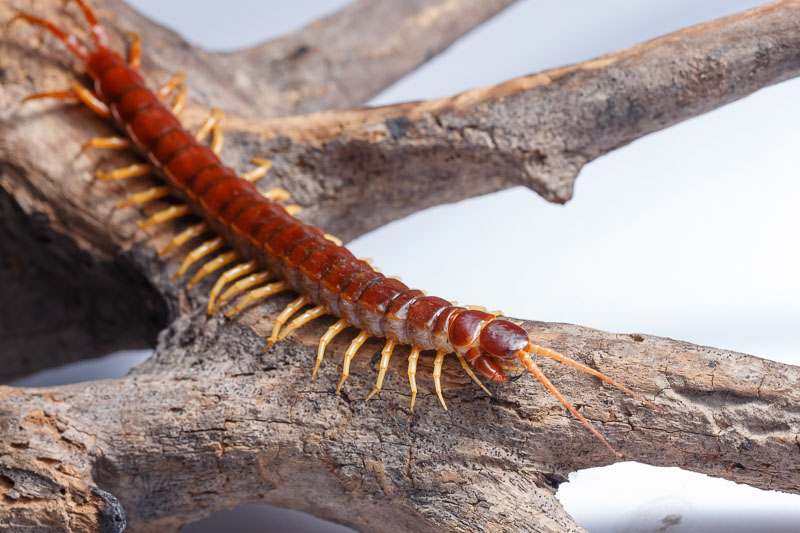
Centipedes belong to a group of animals known as arthropods.
They have segmented bodies and multiple legs, characteristics that help them move efficiently through different environments.
Their unusual appearance is part of what makes them successful hunters.
While humans may find their movement surprising, their behavior is mostly focused on survival.
They avoid people whenever possible and usually prefer dark, quiet spaces.
Are Centipedes Dangerous?
Despite their appearance, most household encounters with centipedes are harmless.
They generally do not damage furniture, contaminate food, or create the same concerns as some common household pests.
Their main purpose indoors is usually related to searching for food or shelter.
Some larger centipede species have the ability to bite, but they typically avoid human contact.
A centipede is much more likely to run away than approach someone.
How to Reduce Centipede Activity Naturally
If you prefer not to see centipedes inside your home, the best approach is to focus on the conditions attracting them.
Reduce Moisture
Start by controlling humidity.
Helpful steps include:
Repairing leaks
Improving airflow
Keeping damp areas dry
Using ventilation in humid rooms
Reducing moisture can make your home less appealing to many small creatures.
Seal Entry Points
Centipedes can enter through surprisingly small openings.
Check areas such as:
Window gaps
Door spaces
Foundation openings
Utility entrances
Sealing these areas can reduce opportunities for insects to enter.
Remove Hiding Places
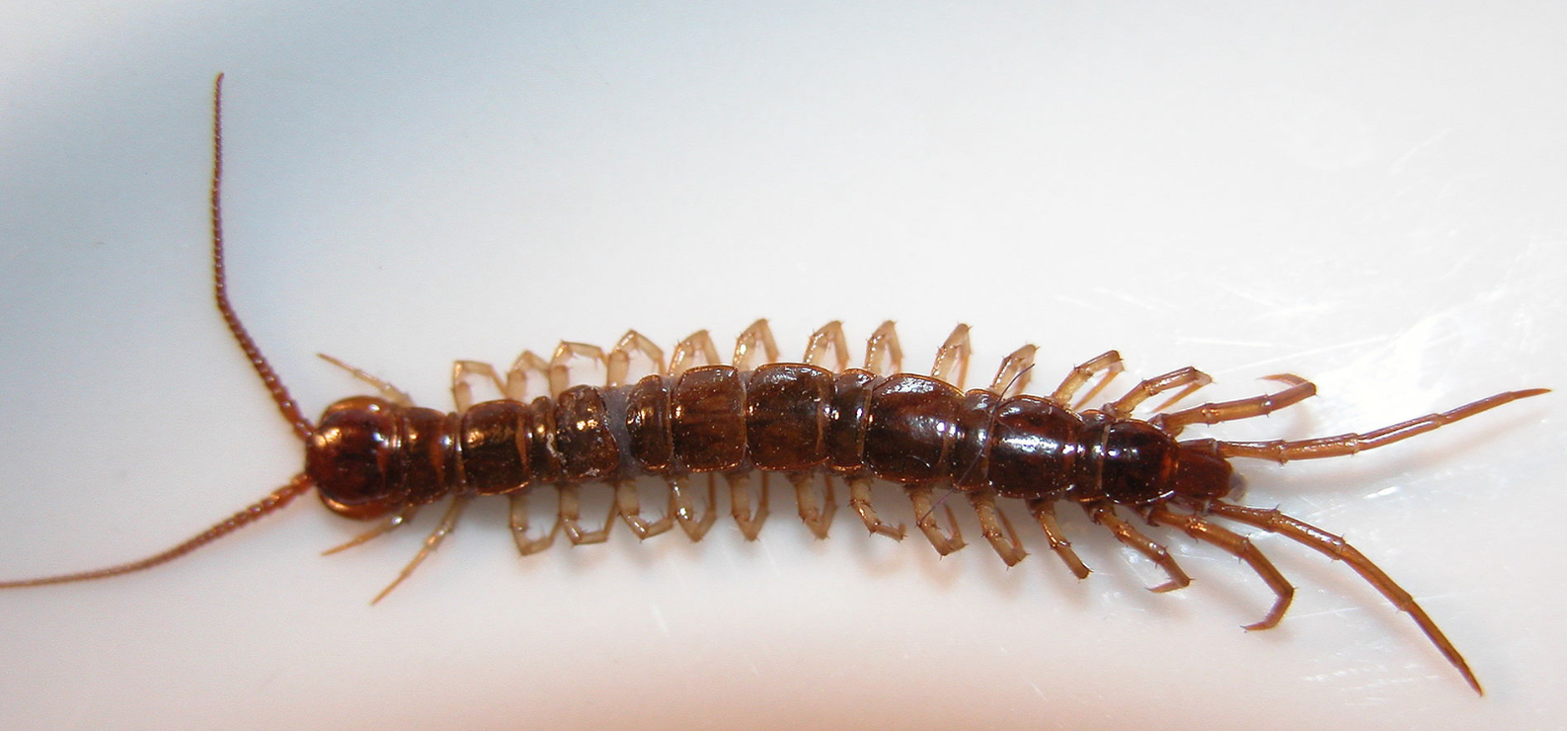
Centipedes prefer dark and undisturbed spaces.
Reducing clutter can help.
Common hiding areas include:
Unused boxes
Storage piles
Dark corners
Stacks of materials
A cleaner, more organized environment gives them fewer places to stay.
Managing Other Household Pests
Because centipedes hunt other insects, reducing their food supply can naturally reduce their presence.
If a home has fewer ants, spiders, silverfish, or other small insects, centipedes have less reason to remain.
The goal is not only removing the centipede but understanding the environment that attracted it.
Natural Approaches Some Homeowners Try
Many people look for gentle ways to discourage insects from entering their homes.
Some common approaches include:
Keeping spaces clean
Using physical barriers
Reducing moisture
Maintaining outdoor areas
Some homeowners also use plant-based scents or household methods, although results can vary.
The most reliable approach is usually improving the overall conditions of the home.
A Different Way to Look at Unexpected Visitors
A centipede running across the floor may seem like an unwanted surprise.
But it can also be viewed as a small reminder that homes exist within a larger ecosystem.
Every creature responds to its environment.
A centipede is not trying to cause trouble. It is simply following natural instincts.
Learning about these creatures can replace fear with understanding.
The Symbolic Meaning of Small Creatures
Across many cultures, small animals and insects have been viewed as symbols of adaptation and awareness.
A centipede’s ability to move quickly and survive in different environments may remind people of flexibility and resilience.
These interpretations are cultural reflections rather than scientific facts, but they show how humans often find meaning in the natural world around them.
Conclusion: Look Closer at the World Around You
The next time a centipede appears in your home, the first question does not have to be “How do I remove it?”
A better question might be:
“What conditions brought it here?”
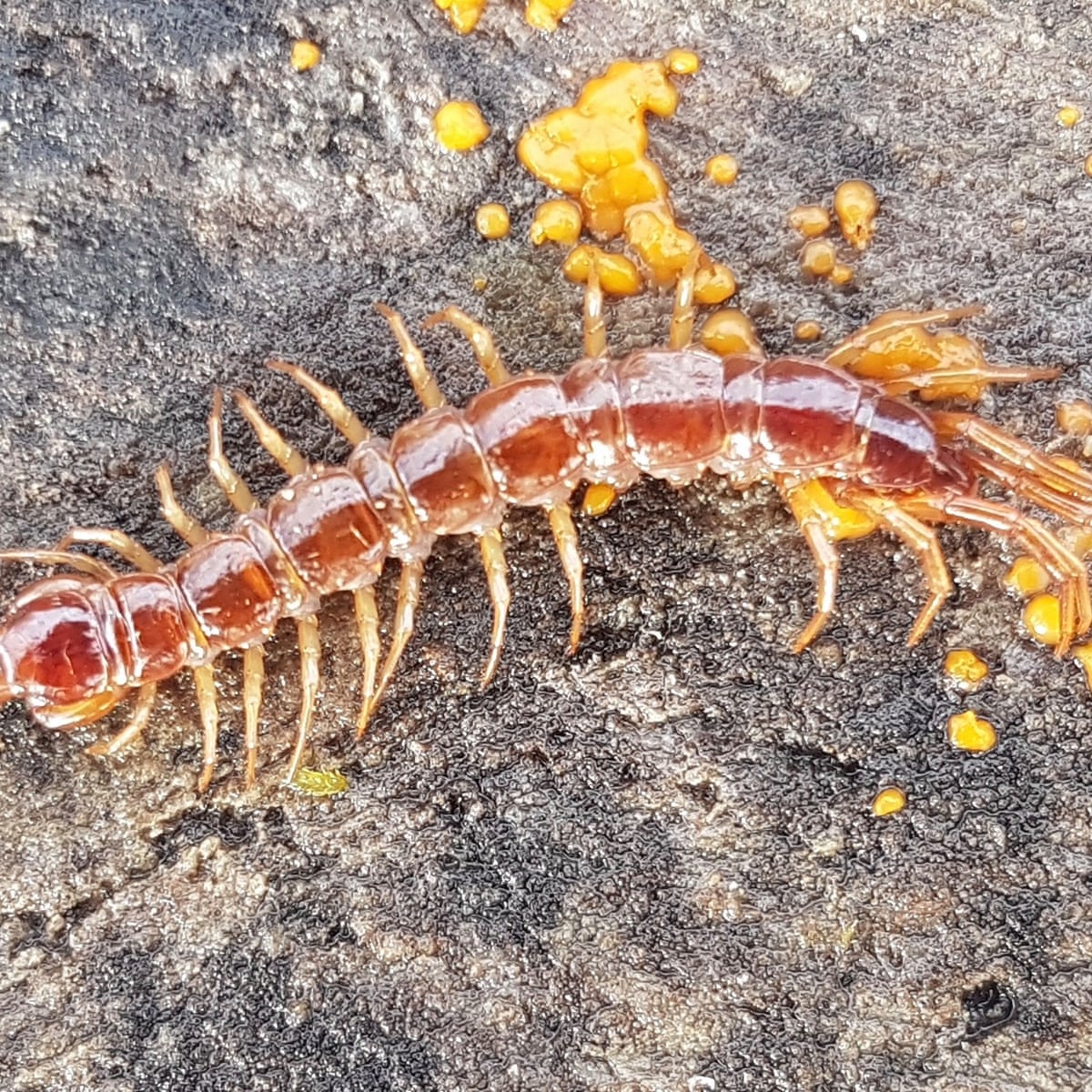
This small creature may be revealing something about moisture, insects, or the hidden connections within your environment.
Nature is full of quiet signals.
Sometimes, even the smallest visitors can teach us something valuable about the world we share.
Sources
National Geographic. Educational resources on insects and ecosystems.
Encyclopaedia Britannica. Information on arthropods and centipedes.
University Extension Programs. Research-based guidance on household insects and pest management.
Smithsonian National Museum of Natural History. Educational materials on biodiversity and animal behavior.