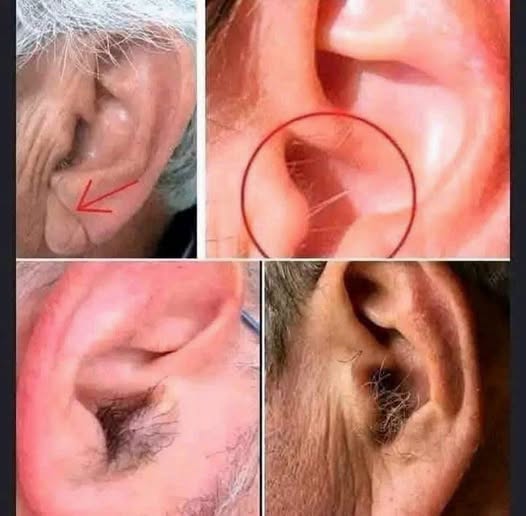
As people move through life, the human body quietly changes in many ways.
One day, someone may notice a few unexpected hairs appearing around the ears and wonder why it is happening. Some people may feel surprised, while others may search for explanations about whether this change means something unusual.
The reality is much simpler.
Ear hair growth is often a natural part of aging, influenced by hormones, genetics, and the way the body changes over time. It is not a mysterious sign or something that should automatically cause concern.
The human body is constantly adapting. From changes in skin texture to differences in hair patterns, aging creates many small transformations that reflect the passage of time.
Understanding these changes can help people view aging with more knowledge and confidence.
Why Does Ear Hair Become More Noticeable With Age?
Hair growth changes throughout a person’s life.
Many people notice differences in hair patterns as they get older. Hair on the scalp may become thinner, while hair in areas such as the eyebrows, nose, or ears may become more noticeable.
This happens because hair follicles respond differently depending on their location.
Each follicle has its own biological characteristics. Some are more sensitive to hormonal signals, while others respond differently as the body changes.
Over many years, these small changes can become visible.
Rather than being a sudden problem, ear hair is usually part of the natural aging process.

The Role of Hormones in Hair Growth
Hormones play an important role in how hair develops.
Androgens, including hormones such as testosterone and related compounds, influence hair follicles throughout the body.
Different areas of the body respond differently to these hormonal signals.
For some people, changes in hormone levels over time may cause certain types of hair to become thicker or grow more prominently.
Men are generally more likely to notice visible ear hair, although women can also experience changes in hair patterns as they age.
These differences are part of normal human biology.
Genetics and Individual Differences
Not everyone experiences aging in the same way.
Genetics influence many aspects of appearance, including hair color, thickness, density, and growth patterns.
Two people of the same age may have completely different experiences with hair growth.
One person may notice more visible ear hair, while another may see very little change.
Family traits often influence these patterns.
This is why comparing yourself with others may create unnecessary concern. The body follows its own biological timeline.
The Original Purpose of Ear Hair
Hair throughout the body has developed for different reasons.
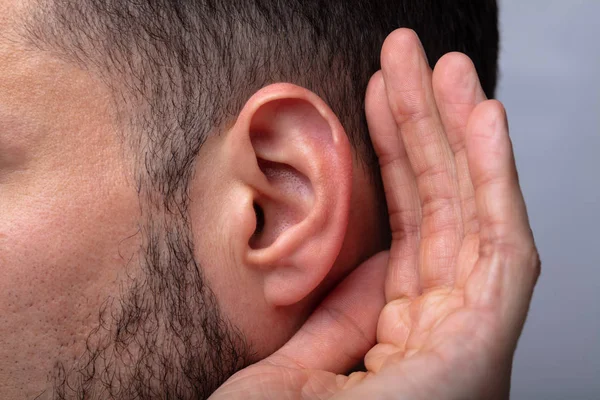
Small hairs around the ears can help provide a basic protective function by acting as a barrier that may help limit the entry of dust and small particles.
The body’s natural features often have practical purposes, even if those features become less noticeable or less important in modern life.
As people age, these hairs may simply become more visible.
The change does not mean the body is failing. It reflects the ongoing activity of normal biological systems.
Common Myths About Ear Hair
Because ear hair is a visible change, many myths have developed around it.
Some people believe that ear hair is connected to hidden health problems or unusual conditions.
However, visible ear hair alone is generally not considered a sign of illness.
Another common misunderstanding is the idea that trimming hair causes it to grow back thicker.
In reality, trimming only cuts the hair at the surface. The new growth may appear different because the end of a trimmed hair is flatter, which can create the impression of increased thickness.
Understanding the science behind these changes helps replace myths with accurate information.
Aging as a Natural Human Experience
Aging is a process that affects every part of the body.
Hair patterns, skin appearance, muscle strength, and many other features naturally change over time.
These changes are part of the human experience.
Modern society sometimes focuses heavily on maintaining a youthful appearance, but aging also represents years of experience, adaptation, and life lived.
Small physical changes can be reminders of the body’s long journey.
Safe Grooming and Personal Choice
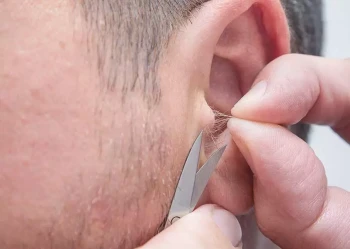
Whether someone chooses to remove or keep ear hair is a personal decision.
Some people prefer grooming for appearance, while others see it as a normal part of aging.
If grooming is desired, safety is important.
Using appropriate trimming tools designed for personal care can help reduce the chance of irritation. It is generally best to avoid inserting sharp objects deeply into the ear area.
Simple care routines are usually enough.
The goal is comfort and safety, not trying to eliminate a completely normal body feature.
The Science of Accepting Physical Changes
Human biology is full of variation.
Every person develops differently, and changes that happen over time are influenced by many factors.
Science helps explain why these differences occur.
Understanding the body can reduce unnecessary worry and encourage a healthier perspective on aging.
Instead of viewing every change as a problem, people can recognize that the body is constantly adjusting.
A Reflection on Time, Curiosity, and the Human Body
The human body tells a story.
Every change, whether big or small, reflects the natural process of living.
Ear hair may seem like a minor detail, but it represents a larger lesson about understanding ourselves.
Science explains the role of hormones, genetics, and biology. Curiosity encourages us to ask questions. Wisdom reminds us that many changes are simply part of being human.
Aging is not a mystery to fear.
It is a natural journey shaped by time, experience, and the remarkable ability of the body to continue adapting.

Sources
National Institute on Aging (NIA). Information on aging and changes in the human body.
Mayo Clinic. Educational resources on hair growth and aging.
Cleveland Clinic. Medical information on hair changes and hormonal influences.
Harvard Health Publishing. Articles on hormones, aging, and human health.
Encyclopaedia Britannica. General information on human biology and aging.