The world of aviation has always been shaped by people who combine skill, discipline, and determination. Behind every aircraft is a story of training, teamwork, and individuals who dedicate years of effort to mastering one of the most challenging fields.
In the naval aviation community, two aviators, Lt. Cmdr. Lyndsay P. Evans and Lt. Serena N. Wileman, became remembered not only for their professional achievements but also for the inspiration they provided to future generations.
Their story highlights the dedication of military aviators, the importance of teamwork, and the lasting influence of people who help expand opportunities for others.
Beyond the aircraft and missions, aviation is ultimately about people. It is about courage, preparation, responsibility, and the human desire to explore what is possible.
The Journey Into Naval Aviation
Becoming a naval aviator requires years of education, training, and commitment.
Pilots and flight officers must develop technical knowledge, decision-making skills, and the ability to work effectively as part of a team.
Naval aviation involves operating in complex environments where precision and communication are essential.
Every aviator follows a demanding path that includes classroom learning, practical training, and continuous improvement.
Lt. Cmdr. Lyndsay P. Evans and Lt. Serena N. Wileman represented this dedication through their service with Electronic Attack Squadron 130, also known as the “Zappers.”
Their careers reflected the professionalism and preparation expected from those who serve in aviation.

The Importance of the EA-18G Growler
The EA-18G Growler is a specialized aircraft designed for electronic warfare missions.
Unlike traditional aircraft focused mainly on transportation or observation, the Growler supports modern aviation operations through advanced technology and communication systems.
The aircraft represents decades of engineering development and innovation.
Operating such a complex aircraft requires teamwork between pilots, flight officers, engineers, and support personnel.
The people behind these machines are just as important as the technology itself. Training, experience, and cooperation allow advanced aviation systems to function effectively.
Celebrating the Achievements of Lyndsay Evans
Lt. Cmdr. Lyndsay P. Evans was recognized as a skilled Naval Flight Officer and a respected member of the aviation community.
Her career included a historic moment when she participated in the first all-female flyover at Super Bowl LVII in 2023.
This event represented decades of progress for women in naval aviation and highlighted the growing opportunities available to future aviators.
Achievements like these are important because they show younger generations that dedication and determination can open doors in fields that were once less accessible.
Evans became an example of leadership, professionalism, and perseverance.
Honoring the Career of Serena Wileman
Lt. Serena N. Wileman also built a meaningful career in naval aviation.
Commissioned as a Naval Aviator in 2018, she later joined the “Zappers” and earned recognition for her contributions.
Her career demonstrated the importance of commitment and teamwork within military aviation.
Every aviator brings a unique story to the field, shaped by personal goals, training, and a desire to serve.
Wileman’s journey reflected the qualities valued in aviation: focus, responsibility, and dedication.
Women in Aviation and Breaking Barriers
For many years, aviation was a field where opportunities were limited for some groups.
Over time, talented individuals challenged those limitations and helped create a more inclusive future.
Women in aviation have contributed significantly as pilots, engineers, leaders, and researchers.
Their achievements demonstrate that skill and dedication are the foundations of success.
The presence of women in naval aviation continues to inspire young people interested in science, technology, and aerospace careers.
Stories like Evans’ and Wileman’s show how individual achievements can influence future generations.
The Science and Skill Behind Aviation
Aviation combines many areas of knowledge, including physics, engineering, communication, and human decision-making.
Modern aircraft require advanced systems that pilots and flight crews must understand deeply.
However, technology alone is not enough. Human judgment remains one of the most important parts of aviation.
Aviators spend years learning how to evaluate information, respond to changing conditions, and work with others.
The relationship between humans and machines is one of the most fascinating aspects of aviation.
Every flight represents cooperation between technology and human expertise.
The Importance of Investigation and Learning
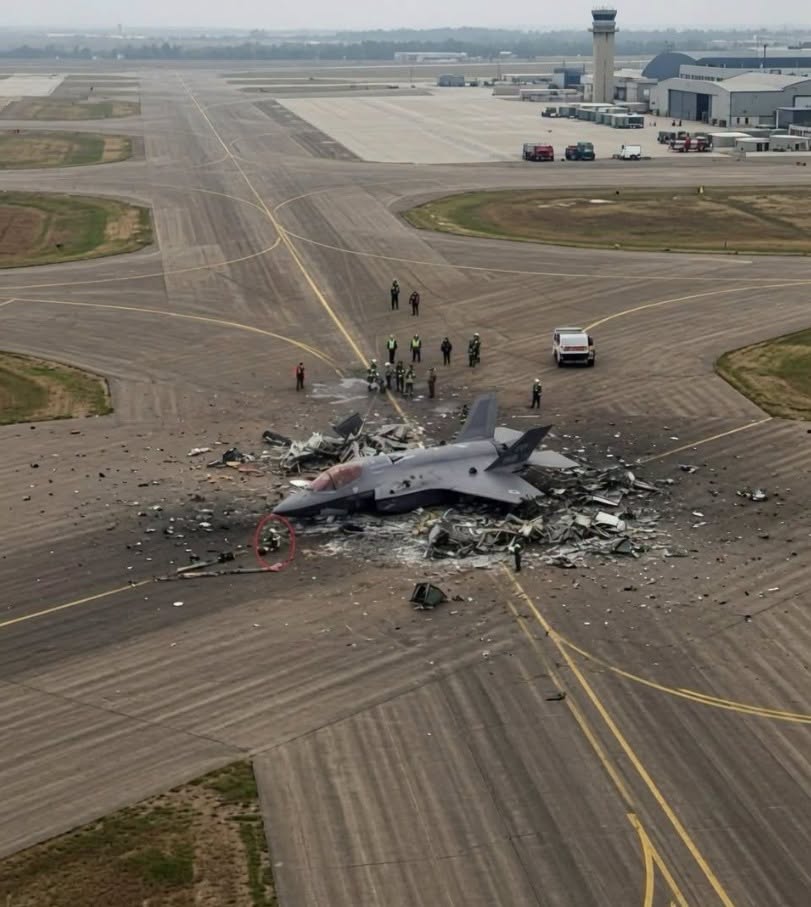
When aviation incidents occur, professionals carefully study what happened.
Investigations are designed to understand circumstances, improve safety, and provide lessons for the future.
Aviation history shows that each investigation contributes to improving training, equipment, and procedures.
The goal is not only to understand an individual event but also to strengthen aviation systems overall.
Learning from experience is one of the reasons aviation continues to advance.

The Role of Community Support
When members of a professional community face a difficult moment, support becomes extremely important.
Families, colleagues, and friends often come together to share memories and provide comfort.
Communities connected to aviation understand the dedication required in the field and often recognize the contributions of those who serve.
Support also extends beyond immediate circles. Stories of accomplished individuals can inspire people who may never have met them.
A legacy can continue through the influence someone leaves behind.
Remembering Through Legacy
A person’s impact is not measured only by awards or titles. It is also reflected in the people they inspire and the changes they help create.
The careers of Evans and Wileman represent more than individual accomplishments. They reflect the progress of aviation and the importance of representation in professional fields.
Their dedication reminds us that every achievement is built through effort, learning, and commitment.
Future aviators may look back at their stories as examples of what is possible.
A Reflection on Human Curiosity and Achievement
The story of naval aviators reminds us that exploration and progress depend on people willing to learn, improve, and take on challenges.
Aviation is a symbol of human curiosity. It represents the desire to understand the world, develop new technology, and reach new possibilities.
The achievements of individuals like Lyndsay Evans and Serena Wileman show how dedication can leave a lasting influence.
Science explains the technology behind flight, while human stories reveal the passion and perseverance that make aviation possible.
Every generation builds upon the work of those before them. Through memory and inspiration, the journey continues.
Sources
United States Navy. Official information on naval aviation and aircraft programs.
Naval Air Systems Command (NAVAIR). Resources on military aircraft and aviation technology.
National Aeronautics and Space Administration (NASA). Educational resources on aviation and aerospace science.
Federal Aviation Administration (FAA). Aviation safety and training resources.
Encyclopaedia Britannica. Historical information about aviation development and technology.