
Imagine waking up one ordinary morning, preparing for your daily routine, and never realizing that your body may be quietly interacting with a microscopic visitor you cannot see. There is no obvious sign, no dramatic announcement, and often no immediate reason to suspect anything unusual. This is the fascinating world of viruses, where some microscopic organisms can exist in the background while the body’s natural defenses work continuously to maintain balance.
Among these viruses, Human Papillomavirus, commonly known as HPV, has become one of the most widely discussed topics in modern health science. Its story is not only about biology but also about human awareness, communication, and the way societies understand invisible health challenges.
For many years, conversations about HPV were often focused mainly on women’s health. However, scientific research has shown that HPV affects people of all genders. The virus is extremely common, and many individuals may encounter it at some point in their lives without ever realizing it. In most cases, the immune system successfully manages the infection, and the person continues life without experiencing noticeable effects.
The mystery surrounding HPV comes from its hidden nature. Unlike conditions that immediately create visible changes, HPV can sometimes remain unnoticed. This has led to many myths, misunderstandings, and unnecessary fear. By exploring both cultural perceptions and scientific facts, we can better understand what HPV represents and why prevention and education matter.
The Science Behind HPV: A Common Virus With Many Stories
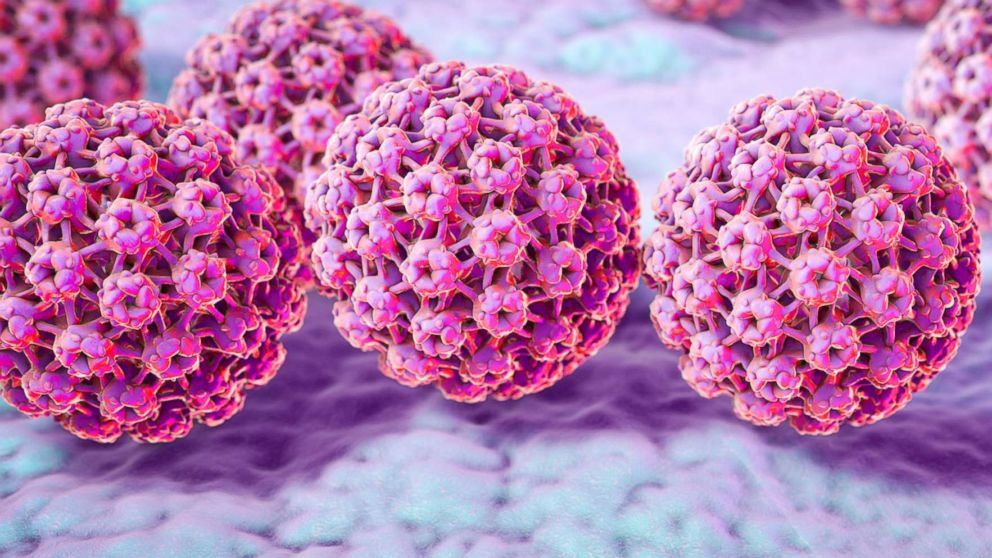
Human Papillomavirus refers to a large group of related viruses. Scientists have identified hundreds of different types of HPV, and they can behave in different ways inside the human body. Some types may cause harmless skin changes, while others are associated with health conditions that require medical attention.
The word “virus” often creates anxiety because people imagine something immediately harmful. However, biology is much more complex. Many viruses interact with humans in different ways, and the outcome depends on the relationship between the virus, the immune system, and various environmental factors.
HPV is particularly interesting because it often does not create noticeable symptoms. A person may carry the virus temporarily while their immune system responds naturally. This is one reason why experts emphasize regular healthcare discussions and preventive habits rather than waiting for obvious signs.
The body’s immune system plays an important role in this story. Like a carefully organized defense network, it constantly monitors the body and responds to unfamiliar biological activity. In many situations, the immune system clears HPV naturally over time.
However, certain high-risk HPV types may sometimes persist. When this happens, researchers have found that long-term infection can contribute to changes in cells. These changes are studied carefully because, in some cases, they may be linked with certain health conditions.

The Human Side of HPV: Why Awareness Matters
Beyond the science, HPV also tells a story about how humans communicate about health. Many people avoid discussing topics connected to personal health because they feel uncomfortable or uncertain. This silence can create gaps in knowledge.
For decades, HPV was surrounded by misconceptions. Some people viewed it only through the lens of personal behavior, but modern medicine shows that viruses are biological realities that can affect many different people.
Understanding HPV requires moving beyond judgment and focusing on education. A virus does not represent a person’s character, values, or lifestyle. It is simply a biological interaction between humans and microorganisms.
Public health experts often emphasize that awareness is one of the strongest tools available. When people understand how infections work, they are better prepared to make informed decisions about prevention, medical care, and communication.
Cultural Beliefs About Invisible Illnesses
Throughout history, humans have been fascinated by things they cannot see. Before modern microscopes existed, people developed stories and explanations about invisible forces affecting health and life.
Many cultures have traditional beliefs about unseen influences on the body. Some connected illness with spiritual ideas, environmental factors, or natural cycles. These perspectives were often attempts to explain mysteries that science had not yet uncovered.
Today, scientific tools allow researchers to observe microorganisms and study their interactions with the human body. This does not erase cultural perspectives; instead, it adds another layer of understanding.
The story of HPV reflects this transition. It shows how humanity moved from wondering about invisible causes to investigating them through research, technology, and medicine.
The Role of Vaccination in Modern Prevention
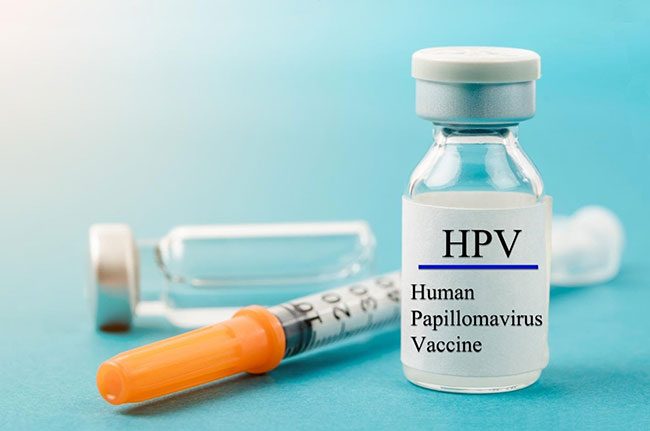
One of the most important developments in HPV prevention is vaccination. The HPV vaccine represents a major achievement in preventive healthcare because it helps the immune system recognize certain HPV types before they become a larger concern.
Vaccines work by training the body’s natural defenses. They do not work by changing a person’s identity or behavior. Instead, they provide biological preparation, similar to teaching the immune system how to respond.
Health organizations around the world recommend HPV vaccination as part of preventive care. The timing of vaccination is often discussed with healthcare professionals because effectiveness can depend on age, health background, and individual circumstances.
The broader lesson from vaccination is that prevention often works quietly. The most successful health measures are sometimes the ones that prevent problems before they become visible.
Breaking the Myths Surrounding HPV
Because HPV is often misunderstood, myths can spread easily. One common misconception is that HPV is rare. In reality, it is one of the most frequently encountered viral infections worldwide.
Another misunderstanding is that only certain groups need to think about HPV. Scientific evidence shows that HPV can affect people across different backgrounds, which is why public health conversations include everyone.
There is also confusion about symptoms. Many assume that if they feel healthy, they cannot have an infection. While feeling well is a positive sign, some infections may not create obvious symptoms.
The best response to uncertainty is not fear but knowledge. Learning about HPV allows people to replace assumptions with facts.
The Future of HPV Research and Health Education
Medical research continues to explore HPV, including how different strains behave, how the immune system responds, and how prevention strategies can be improved.
The future of healthcare is increasingly focused on prevention rather than only treatment. Scientists are studying ways to identify risks earlier and create better tools for maintaining long-term wellness.
Technology also plays a growing role in education. Information about health is now easier to access than ever before, allowing people to learn directly from reliable sources rather than relying on rumors.
The challenge is not only developing medical solutions but also ensuring that accurate information reaches communities.
A New Perspective: Turning Fear Into Understanding
The story of HPV is ultimately a story about awareness. It begins with something invisible, continues through scientific discovery, and ends with the choices people make about their health.
The human body is constantly interacting with the world around it. Microscopic life exists everywhere, and understanding these interactions helps us appreciate the complexity of biology.
Rather than viewing invisible health challenges with fear, society can approach them with curiosity and responsibility. Knowledge creates confidence, and confidence encourages healthier decisions.
The most powerful tool against misunderstanding is education. When people learn how viruses work, they can replace uncertainty with practical awareness.
Conclusion: The Endless Human Curiosity About the Invisible World
For centuries, humans have looked beyond what they can see, searching for explanations about the hidden forces shaping life. HPV is one example of how modern science reveals a world that has always existed but remained invisible.
Its story is not only about a virus. It is about communication, prevention, research, and the importance of understanding our own biology.
The more we learn about the unseen interactions happening within and around us, the better prepared we become to care for ourselves and others. Human curiosity has always pushed us forward, from ancient questions about invisible forces to today’s advanced medical discoveries.
By choosing knowledge over misunderstanding and prevention over uncertainty, we continue the long journey of exploring the remarkable connection between science and human life.
Sources
Centers for Disease Control and Prevention (CDC). Information on Human Papillomavirus (HPV) and vaccination.
World Health Organization (WHO). HPV and cervical cancer prevention resources.
National Cancer Institute. HPV infection and cancer research information.
Mayo Clinic. HPV infection overview and prevention guidance.
American Cancer Society. HPV-related health information and prevention strategies.