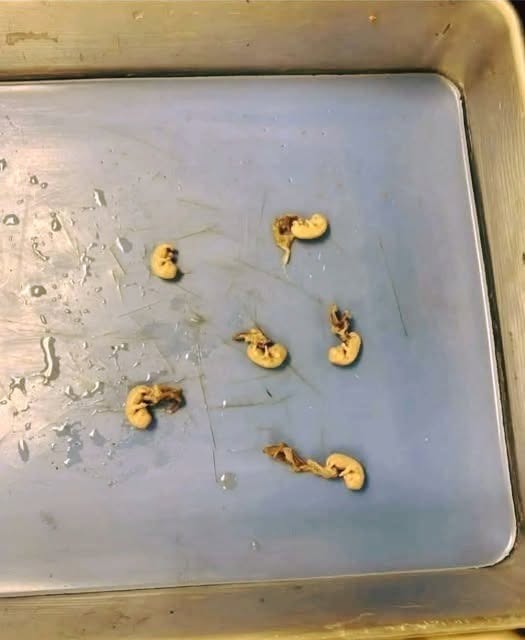
A handful of nuts. A bowl of seeds. A small serving of dried fruit. A convenient snack made from simple ingredients.
For many people, these foods represent a healthier lifestyle. They are often associated with natural nutrition, balanced eating, and mindful choices.
But there is another side to consider.
Even foods that appear wholesome still require careful handling, storage, and quality control. “Natural” does not automatically mean free from food safety concerns. At the same time, the existence of potential risks does not mean these foods should be avoided.
The reality is more balanced.
Most commercially produced snacks are made under food safety systems designed to reduce contamination risks and protect consumers. The more useful question is not whether a snack looks healthy, but how it is produced, packaged, stored, and prepared.
Understanding the basics of food safety can help consumers make informed choices without unnecessary worry.
Why Healthy-Looking Foods Still Need Safety Standards
Food safety applies to every category of food.
Whether a product is fresh, dried, organic, packaged, or minimally processed, it moves through multiple stages before reaching consumers.
These stages may include:
Growing and harvesting
Transportation
Processing
Packaging
Storage
Retail handling
At each step, proper hygiene and quality control are important.
Nuts, seeds, grains, and dried fruits are agricultural products, meaning they naturally come from environments where microorganisms exist. This is normal and not automatically harmful.
Food safety systems exist to manage these risks through testing, sanitation practices, temperature control, and manufacturing standards.
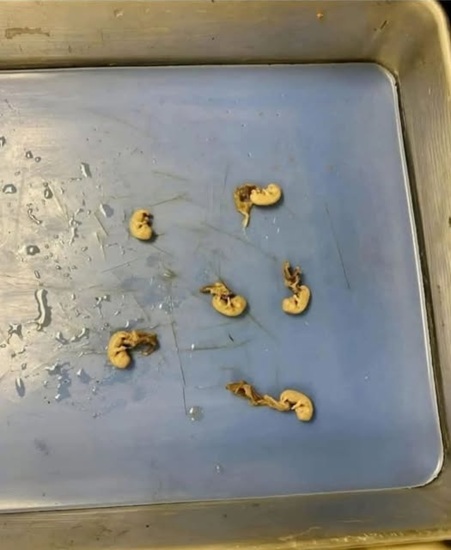
Common Food Safety Concerns in Packaged Snacks
Healthy snacks are generally safe when properly produced, but several factors can influence quality.
Microbiological Contamination
One concern in food production is the possibility of unwanted microorganisms entering products during farming, processing, or handling.
Certain bacteria can occasionally affect foods if safety procedures are not followed.
This is not unique to snacks. Similar concerns apply across many food categories, including fresh produce, grains, and other everyday items.
Modern food production relies on preventive practices to reduce these risks.
Allergens and Ingredient Awareness
Another important consideration is allergies.
Many popular snack ingredients, including nuts and seeds, can cause reactions in sensitive individuals.
Food labels help consumers identify ingredients and potential allergen information.
Reading packaging carefully is especially important for people with known sensitivities.
Storage and Freshness
The way food is stored can affect quality.
Exposure to moisture, heat, or poor storage conditions may reduce freshness or change the quality of a product.
Consumers can help maintain safety by:
Checking expiration dates
Keeping products stored as recommended
Closing packages properly after opening
Avoiding products with damaged packaging
Simple habits can make a meaningful difference.
Why “Natural” Does Not Always Mean “Risk-Free”
Many people associate words like “natural,” “organic,” or “clean label” with safety.
While these terms may describe how a product is made or marketed, they do not replace food safety practices.
A naturally grown ingredient still needs:
Proper handling
Safe transportation
Quality inspection
Appropriate processing
Responsible storage
The goal of food safety is not to remove all natural characteristics from food. It is to ensure products are handled in ways that protect consumers.
The Role of Food Processing
Some people assume that processed foods are automatically less healthy.
However, processing exists in many forms.
Some processes are designed to improve safety and quality.
Examples include:
Cleaning ingredients
Removing unwanted materials
Controlling moisture
Packaging foods properly
Applying approved safety treatments
A product’s overall nutritional value depends on many factors, including ingredients, preparation methods, and portion size.
The word “processed” alone does not tell the entire story.

How Food Companies Protect Consumers
Modern food production involves multiple safety checks.
Responsible manufacturers typically use systems designed to identify and control potential problems.
These may include:
Quality Testing
Ingredients and finished products may undergo inspections and testing.
Hygiene Procedures
Facilities follow sanitation requirements to maintain clean production environments.
Traceability Systems
Companies often track ingredients from suppliers through production.
Recall Procedures
If a safety concern is identified, recall systems help remove affected products from stores.
These systems are an important part of modern food supply chains.
What Consumers Can Do at Home
Food safety does not stop when a product leaves the store.
Consumers also play an important role.
A few practical habits include:
Store Snacks Properly
Keep foods in suitable conditions according to packaging instructions.
Check Packaging
Avoid products with unusual damage or signs of poor storage.
Pay Attention to Recalls
Official food safety announcements help consumers stay informed.
Practice Clean Handling
Wash hands and use clean surfaces when preparing food.
These steps are simple but effective.
The Importance of Balanced Nutrition
While food safety is important, it is also worth remembering the nutritional benefits many snacks provide.
Nuts and seeds may contribute:
Healthy fats
Protein
Fiber
Minerals
Dried fruits can provide:
Natural sweetness
Fiber
Various nutrients
Whole grain snacks may provide:
Complex carbohydrates
Fiber
Additional nutrients
A healthy diet is usually built from variety, balance, and appropriate portions.
No single food determines overall health.
Avoiding Fear-Based Food Choices
Online discussions about food safety can sometimes become exaggerated.
A single concern or recall may create the impression that an entire category of food is unsafe.
However, food safety experts generally encourage a more practical approach.
Instead of asking:
“Should I never eat this?”
A better question may be:
“How can I choose, store, and enjoy this food safely?”
This approach allows people to benefit from nutritious foods while remaining aware of responsible practices.

The Future of Food Safety
Food safety continues to evolve as technology improves.
Researchers and manufacturers are developing better methods for:
Detecting contamination
Improving packaging
Monitoring supply chains
Reducing waste
Educating consumers
These improvements help create a food system that is safer and more transparent.
As consumers become more interested in where their food comes from, companies are also under increasing pressure to maintain high standards.
Conclusion
Healthy snacks can be an important part of a balanced lifestyle, but their appearance alone does not tell the full story.
Foods such as nuts, seeds, dried fruits, and grains still require careful production, handling, and storage to maintain quality and safety.
The good news is that most commercially available snacks are produced under established safety guidelines designed to protect consumers.
Rather than fearing everyday foods, the most helpful approach is awareness. Reading labels, choosing reputable products, storing food properly, and staying informed about recalls can all support safer eating habits.
In the end, healthy choices are not only about what we eat, but also about understanding how our food reaches us.
Sources
U.S. Food and Drug Administration (FDA). Food safety guidance and consumer resources.
Centers for Disease Control and Prevention (CDC). Food safety information and prevention guidance.
World Health Organization (WHO). Food safety and public health resources.
U.S. Department of Agriculture (USDA). Food handling and storage recommendations.
Harvard T.H. Chan School of Public Health. Nutrition and healthy eating resources.