Few phrases spread across the internet faster than words suggesting a major international crisis.
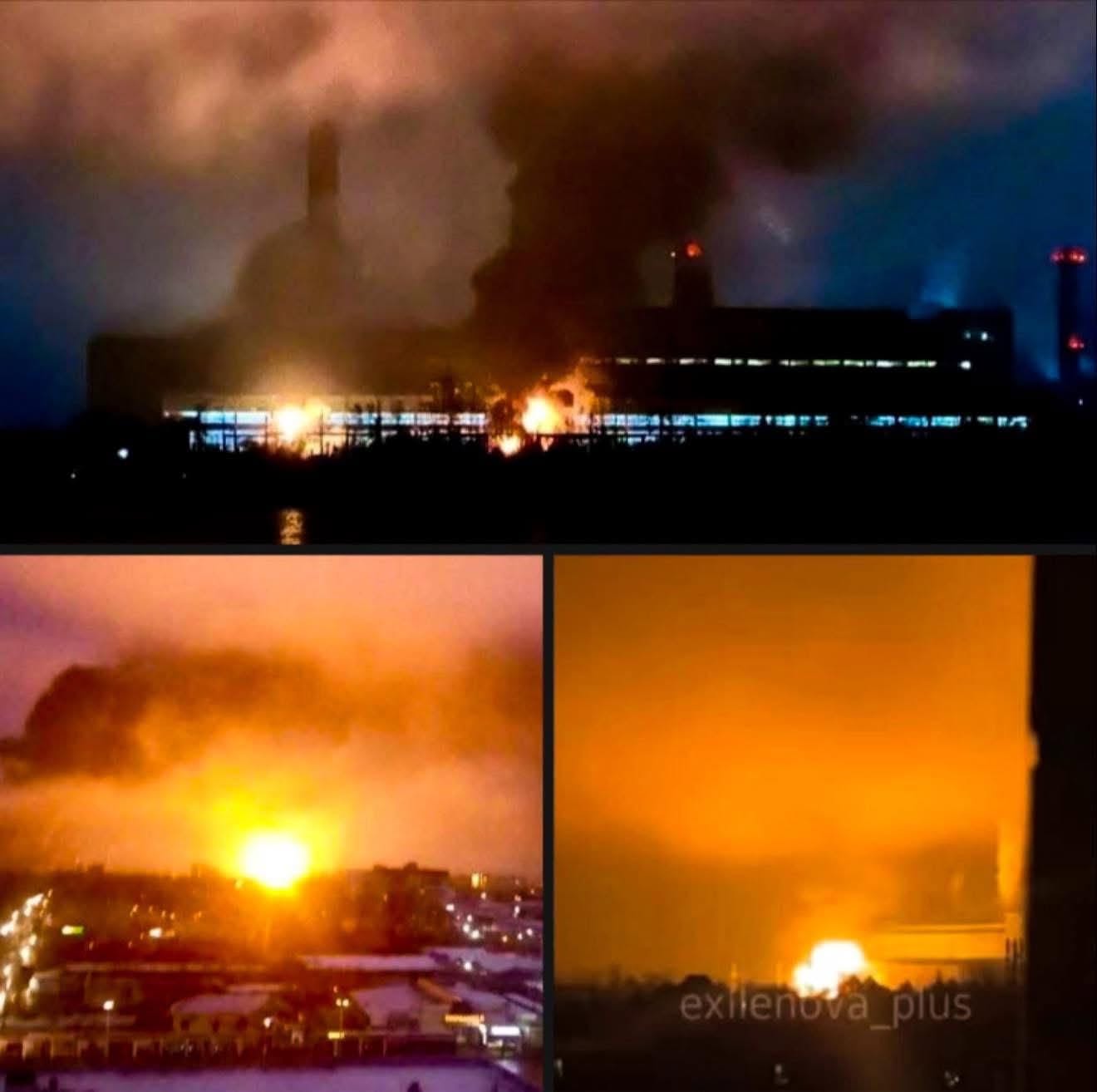
Recently, a viral online post claimed that a “maximum worldwide alert” had been issued and that a war was beginning. The dramatic language quickly attracted attention, prompting readers to share the story across social media platforms and messaging apps.
For many people, such headlines create immediate concern. Questions arise almost instantly. Is the information accurate? Are governments issuing emergency warnings? Should people be worried about their safety?
The reality is often more complex than the headline suggests.
In today’s digital environment, information travels around the world within seconds. As a result, reports about international tensions can spread long before official details become available. Understanding how to evaluate these claims is essential for staying informed without becoming overwhelmed by uncertainty.
Why International Tensions Attract Global Attention
International relations influence many aspects of daily life.
Trade, travel, energy markets, technology, and diplomatic cooperation all depend on stable relationships between nations. When tensions increase between countries, people naturally become interested in potential consequences.
News reports discussing military activity, diplomatic disputes, economic sanctions, or stalled negotiations often generate widespread attention because their impact can extend beyond national borders.
This interconnected nature of the modern world means that developments in one region can affect markets, businesses, and communities elsewhere.
However, heightened tensions do not automatically mean that a large-scale conflict is imminent.
Diplomatic disagreements and periods of uncertainty have occurred throughout history, and many are ultimately resolved through negotiation and dialogue.
Understanding the Difference Between Tension and Conflict
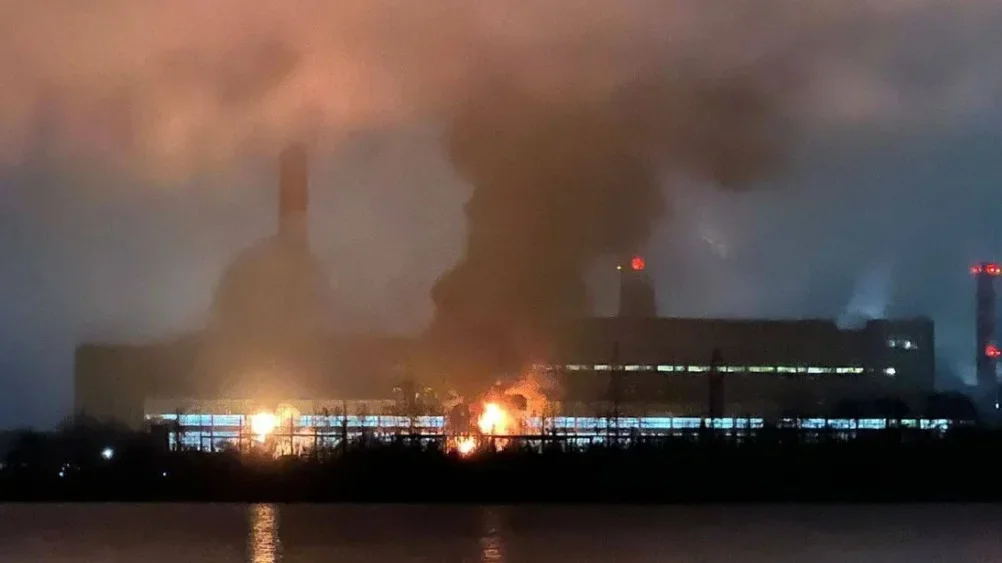
One of the most common misconceptions in viral news stories is the assumption that rising tensions automatically signal the start of a major conflict.
International affairs exist on a spectrum.
Countries may experience:
Diplomatic Disagreements
Governments frequently disagree on policy issues, trade matters, or regional concerns without those disagreements escalating further.
Strategic Competition
Nations often compete economically, politically, or technologically while maintaining diplomatic relationships.
Security Concerns
Military exercises, border disputes, and security measures can increase tensions without leading to direct confrontation.
Negotiation Periods
Many international disputes involve extended discussions, mediation efforts, and diplomatic engagement before resolutions are reached.
Experts generally caution against interpreting every period of heightened tension as evidence that a major conflict has begun.
The Role of Official Alerts
Governments and international organizations occasionally issue advisories or alerts during periods of uncertainty.
These notices are designed to inform citizens about evolving situations and encourage awareness.
Official alerts may address:
Travel Considerations
Citizens may be advised to monitor conditions before traveling to certain regions.
Safety Information
Authorities sometimes provide guidance on emergency preparedness or public awareness.
Consular Updates
Governments may communicate with citizens living abroad regarding changing circumstances.
Importantly, the existence of an advisory does not necessarily indicate that a major crisis is underway. In many cases, alerts are precautionary measures intended to improve preparedness and communication.
Why Experts Encourage Calm Analysis
When dramatic headlines appear online, experts typically emphasize the importance of patience and verification.
International events often evolve rapidly. Early reports may contain incomplete information, and details can change as additional facts become available.
Analysts generally recommend focusing on:
Verified Sources
Official government statements and reputable news organizations provide more reliable information than anonymous social media posts.
Multiple Perspectives
Comparing information from several credible sources helps create a more accurate understanding.
Context
Current events are often linked to longer historical, political, and diplomatic developments.
Ongoing Updates
Situations can change significantly over time, making continuous monitoring important.
By taking these steps, readers can better distinguish between confirmed developments and speculation.
The Importance of Diplomacy
Even during periods of significant international tension, diplomatic efforts usually continue.
Diplomacy remains one of the most important tools available for managing disagreements between nations. Through negotiations, dialogue, and mediation, governments seek solutions that reduce risks and promote stability.
Throughout modern history, diplomatic engagement has helped address numerous international disputes.
Common diplomatic approaches include:
Bilateral Discussions
Direct communication between governments.
International Mediation
Third-party organizations assisting with negotiations.
Multilateral Forums
Meetings involving multiple countries working toward shared goals.
Confidence-Building Measures
Steps designed to improve trust and reduce misunderstandings.
While diplomatic processes can sometimes move slowly, they remain central to maintaining international stability.
How Social Media Changes Public Perception
The speed of modern communication has transformed the way people learn about world events.
A single headline can reach millions of users within minutes. Emotional language often generates more engagement than carefully balanced reporting, making dramatic claims particularly likely to spread.
This creates challenges for readers.
Headlines may emphasize urgency without providing full context. In some cases, articles are written primarily to encourage clicks rather than inform audiences.
As a result, media literacy has become increasingly important.
Questions readers can ask include:
-
Who published the information?
-
Are official sources cited?
-
Is the claim supported by multiple reputable organizations?
-
Does the article provide evidence for its conclusions?
-
Is the language factual or highly emotional?
These questions help readers evaluate information more effectively.
The Economic Impact of Global Uncertainty
Even when no major conflict occurs, periods of international tension can influence economic conditions.
Markets often respond to uncertainty because investors, businesses, and consumers adjust their expectations based on available information.
Potential effects may include:
Market Volatility
Financial markets sometimes react quickly to geopolitical developments.
Supply Chain Concerns
Businesses monitor international conditions that could affect transportation and trade.
Energy Prices
Global energy markets are particularly sensitive to geopolitical uncertainty.
Consumer Confidence
Public perception of economic stability can influence spending decisions.
These impacts illustrate why international developments attract attention even when direct consequences remain uncertain.
What Citizens Can Do During Uncertain Times
Experts generally recommend a practical approach during periods of heightened international concern.
Stay Informed
Follow updates from trusted and verified sources.
Avoid Rumors
Unverified claims often spread rapidly during uncertain situations.
Focus on Facts
Distinguish between confirmed information and speculation.
Maintain Perspective
International tensions do not always result in long-term crises.
Support Constructive Dialogue
Thoughtful discussions encourage understanding and reduce unnecessary fear.
These simple steps help individuals remain informed without becoming overwhelmed.
The Human Side of Global Events
Behind discussions of diplomacy, security, and international relations are ordinary people.
Families, communities, and businesses around the world are affected by global developments in different ways. For this reason, many international organizations emphasize cooperation, communication, and peaceful solutions whenever possible.
Public interest in world affairs reflects a broader concern for stability, prosperity, and shared progress.
Regardless of political differences, most people value security, opportunity, and peaceful relationships between nations.
These common goals often provide the foundation for diplomatic efforts during challenging periods.
1724225964-0/BeFunky-collage]_____-(37)1724225964-0.jpg)
Looking Beyond the Headlines
The viral claim about a “maximum worldwide alert” demonstrates how quickly dramatic stories can capture public attention.
However, responsible analysis requires looking beyond the headline itself.
International tensions are real and deserve thoughtful attention. At the same time, readers should avoid assuming that every alarming report signals an immediate global crisis.
Careful evaluation, reliable information, and patience remain essential tools for understanding complex world events.
Conclusion
Reports of rising international tensions naturally attract widespread interest, particularly when headlines suggest major developments. Yet history shows that periods of uncertainty do not always lead to large-scale conflict. In many cases, diplomacy, negotiation, and international cooperation continue to play critical roles in managing disagreements.
The recent viral alert serves as a reminder of the importance of media literacy in the digital age. By relying on credible sources, seeking context, and avoiding speculation, readers can stay informed while maintaining perspective.
Ultimately, global stability depends not only on decisions made by leaders but also on an informed public capable of distinguishing verified information from sensational claims. In an interconnected world, understanding the facts remains one of the most valuable tools available.
Sources
United Nations (UN). Resources on international diplomacy and conflict prevention.
World Economic Forum. Analysis of geopolitical risks and global stability.
Council on Foreign Relations (CFR). Educational materials on international relations.
International Crisis Group. Reports on regional tensions and diplomatic developments.
Reuters and Associated Press. Coverage of global affairs and international diplomacy.