The internet has a remarkable way of turning little-known topics into global conversations overnight. One day, a subject may exist quietly in medical textbooks and healthcare offices. The next, it appears across social media feeds, discussion forums, and video-sharing platforms, drawing the attention of millions.
This pattern has repeated itself countless times. From unusual natural phenomena to fascinating aspects of human anatomy, people are endlessly curious about the world around them. Recently, one topic has found itself at the center of this digital fascination: tonsil stones.
For many viewers, the first encounter with tonsil stones comes through a viral video. The reaction is often a mixture of surprise, curiosity, and a desire to learn more. Some people immediately recognize the condition because they have experienced it themselves, while others are hearing about it for the very first time.
What makes tonsil stones so intriguing is that they combine something familiar—the human body—with something unexpected. They remind us that even ordinary biological processes can reveal surprising details about how our bodies function.
Beyond internet trends and viral content, tonsil stones offer an interesting opportunity to explore both scientific understanding and the broader cultural fascination people have with unusual health-related topics.
What Are Tonsil Stones?
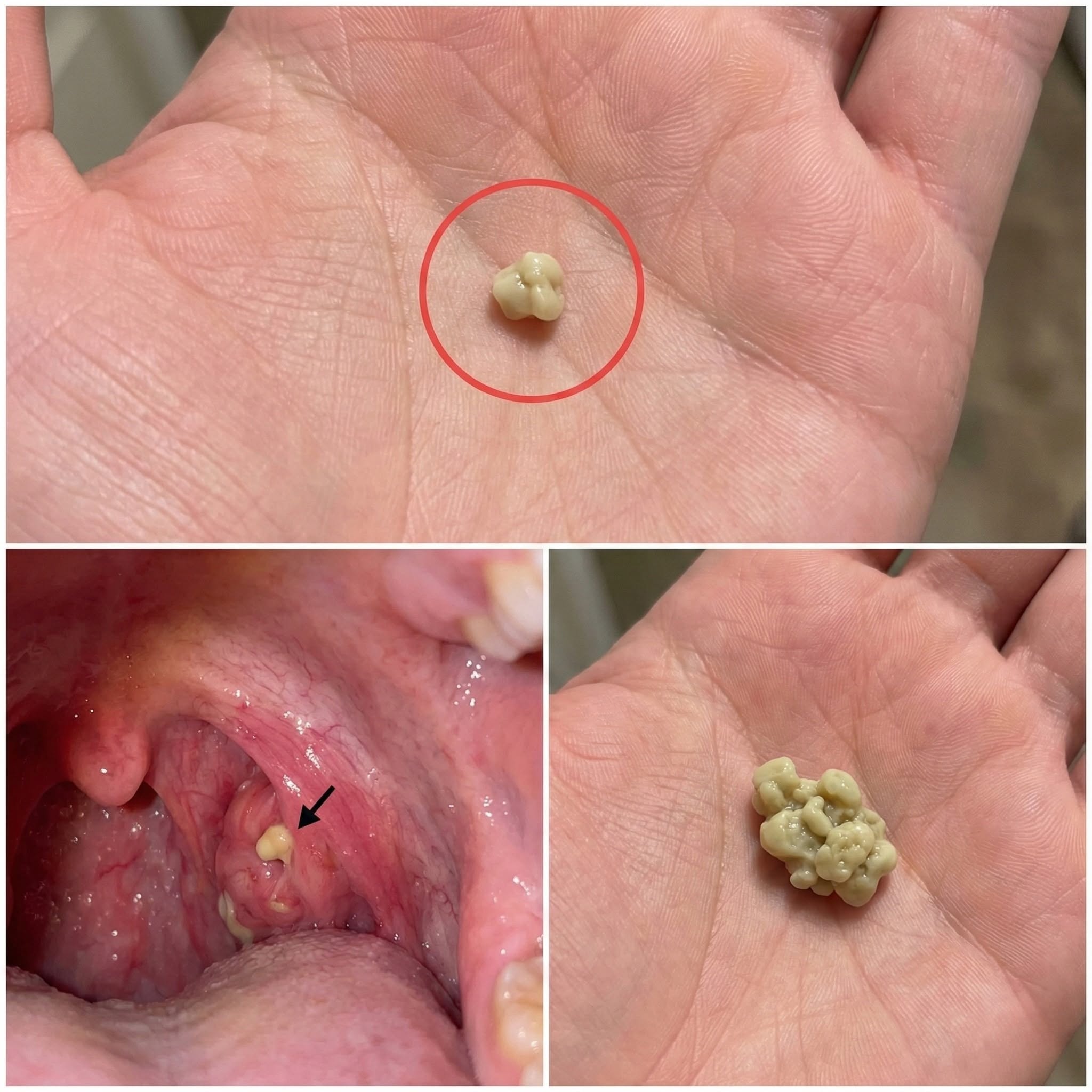
Tonsil stones, medically known as tonsilloliths, are small, hardened deposits that can form within the crevices of the tonsils. They are usually white or yellowish in appearance and vary greatly in size.
The tonsils are soft tissue structures located at the back of the throat. They play an important role in the immune system by helping the body recognize and respond to certain microorganisms entering through the mouth and nose.
The surface of the tonsils contains tiny folds and pockets known as crypts. These crypts can sometimes trap various materials, including food particles, mucus, naturally occurring bacteria, and mineral deposits. Over time, the trapped material may harden, forming what are commonly called tonsil stones.
Although the name may sound alarming, tonsil stones are generally considered a common and manageable condition. Many individuals may have them without even realizing it.

Why Do Tonsil Stones Form?
Scientists understand tonsil stones as the result of a combination of anatomical and biological factors.
People with deeper tonsillar crypts may be more likely to develop them because there are more spaces where debris can accumulate. Once material becomes trapped, minerals such as calcium can gradually contribute to the hardening process.
Several factors may increase the likelihood of tonsil stone formation:
Natural Tonsil Structure
Every person’s tonsils are slightly different. Some individuals naturally have more pronounced crypts, creating additional areas where material can collect.
Oral Environment
The mouth contains a diverse community of microorganisms. While many of these organisms are harmless and even beneficial, they can contribute to the buildup of material within the tonsils.
Food Particles and Mucus
Small particles from food and normal mucus production can occasionally become lodged within tonsillar pockets. Over time, these substances may combine with minerals and other materials.
Previous Tonsil Inflammation
Some researchers suggest that individuals who have experienced recurring throat irritation or inflammation may be more prone to developing deeper crypts, though experiences vary from person to person.
Common Symptoms and Experiences
One of the most interesting aspects of tonsil stones is that many people never notice them.
In numerous cases, tonsil stones produce no obvious symptoms. They may remain hidden within the tonsils and eventually become dislodged naturally.
When symptoms do occur, they are usually mild and can include:
Persistent Bad Breath
This is one of the most frequently reported concerns. The trapped material within tonsil stones can contribute to unpleasant odors.
Mild Throat Discomfort
Some individuals report a sensation that something is stuck in the back of the throat.
Occasional Coughing
A cough may sometimes occur as the body attempts to clear irritation.
Ear Discomfort
Interestingly, sensations originating in the throat can occasionally be felt near the ears because of shared nerve pathways.
Visible White Spots
Some people first discover tonsil stones when noticing small white or yellow deposits on their tonsils.
It is important to remember that symptoms can vary widely, and many individuals experience no discomfort at all.

Why the Internet Became Fascinated
The popularity of tonsil stone videos reflects a broader cultural phenomenon.
People are naturally curious about processes occurring inside the human body. Content that reveals hidden aspects of anatomy often attracts attention because it combines education with surprise.
Psychologists have long studied why individuals are drawn to unusual medical or biological content. One explanation is that such material satisfies a desire to understand ourselves. Another possibility is that viewers experience a sense of resolution when observing something being identified and removed.
This fascination is not unique to tonsil stones. Similar interest has appeared around dermatological procedures, dental restorations, and other healthcare-related content.
The widespread sharing of these videos demonstrates how social media can transform niche medical topics into mainstream conversations.
Tonsil Stones in Historical and Cultural Context
While viral videos make tonsil stones seem like a modern phenomenon, the condition itself is not new.
Throughout history, people have observed unusual occurrences within the human body and attempted to explain them using the knowledge available at the time. Before the development of modern medicine, many cultures relied on traditional interpretations of bodily changes.
In some societies, unusual formations within the mouth or throat may have been viewed as signs of imbalance or indicators of dietary habits. These interpretations varied widely and were often influenced by local beliefs and healthcare traditions.
Today, modern medicine provides a scientific explanation for tonsil stones. Nevertheless, the cultural fascination remains. The public’s interest reflects a longstanding human tendency to seek meaning in unexpected bodily experiences.
Scientific Perspectives on Tonsil Health
Modern healthcare professionals view tonsil stones as one aspect of overall tonsil health.
Research has improved our understanding of how the immune system interacts with the microorganisms naturally present in the mouth and throat. Scientists continue to study the complex microbial communities that inhabit these areas.
The tonsils themselves are fascinating structures. Rather than serving as passive tissues, they actively participate in immune surveillance by helping identify substances entering the body through breathing and eating.
The formation of tonsil stones highlights the balance between normal biological processes and anatomical variations. It demonstrates how ordinary materials can accumulate under specific conditions, leading to visible changes within the body.
For researchers, tonsil stones offer insight into oral microbiology, immune function, and the interactions between anatomy and everyday health.
Managing Tonsil Stones Safely
Many people who discover tonsil stones wonder what they should do next.
Because tonsil stones are often harmless, management typically focuses on comfort and oral hygiene. Healthcare organizations commonly recommend approaches such as:
Gargling with Warm Salt Water
This simple method may help loosen debris and support overall throat cleanliness.
Maintaining Good Oral Hygiene
Regular brushing, flossing, and tongue cleaning can help reduce the accumulation of materials that contribute to stone formation.
Staying Hydrated
Adequate hydration supports normal oral and throat function.
Gentle Removal Techniques
Some individuals use gentle methods to dislodge visible stones. Care should be taken to avoid irritating sensitive tissues.
Seeking Professional Advice
If symptoms become bothersome or persistent, consulting a qualified healthcare professional can provide personalized guidance.
The key principle is to prioritize safety and avoid aggressive attempts at removal.

Separating Myths from Reality
The rapid spread of online content sometimes creates misunderstandings about health topics.
One common myth is that tonsil stones are extremely rare. In reality, they are relatively common and often go unnoticed.
Another misconception is that they always indicate a serious health issue. Medical experts generally describe them as a manageable condition that is frequently harmless.
There is also occasional speculation online about unusual causes or dramatic consequences. Scientific evidence supports a more balanced understanding. Tonsil stones typically result from the accumulation of ordinary materials within tonsillar crypts.
Recognizing the difference between verified medical information and internet speculation helps people make informed decisions about their health.
What Tonsil Stones Teach Us About Human Curiosity
The popularity of tonsil stone content reveals something interesting about modern society.
People are not merely seeking entertainment. They are also searching for understanding. The internet has become a place where scientific information, personal experiences, and public curiosity intersect.
A topic that once remained largely confined to healthcare discussions can now become a worldwide conversation within hours. This transformation highlights both the educational potential of digital media and the enduring fascination people have with the human body.
Tonsil stones may seem like a small subject, but they offer a reminder that even everyday biological processes can inspire widespread interest and learning.
Conclusion
Tonsil stones represent a fascinating intersection of science, health, and internet culture. Although they may appear unusual at first glance, modern medical knowledge explains them as a common result of materials becoming trapped within the natural folds of the tonsils.
Their rise to online fame reflects a deeper truth about human nature. People are naturally curious about themselves, eager to understand how their bodies work, and drawn to discoveries that reveal hidden aspects of everyday life.
Whether encountered through a healthcare article, a conversation with friends, or a viral social media video, tonsil stones remind us that even the smallest details of human biology can spark meaningful questions. In that sense, the phenomenon is not merely about tonsils at all. It is about curiosity, learning, and our ongoing desire to better understand the remarkable systems that make us who we are.

Sources
Mayo Clinic. “Tonsil Stones (Tonsilloliths)” and related patient education resources.
Cleveland Clinic. “Tonsil Stones: Symptoms, Causes, and Treatment.”
National Institutes of Health (NIH). Research articles on tonsilloliths and oral microbiology.
American Academy of Otolaryngology–Head and Neck Surgery. Educational materials on tonsil health.
Pet Is To Love. “The Internet’s Latest Obsession: What You Need to Know About Tonsil Stones.”