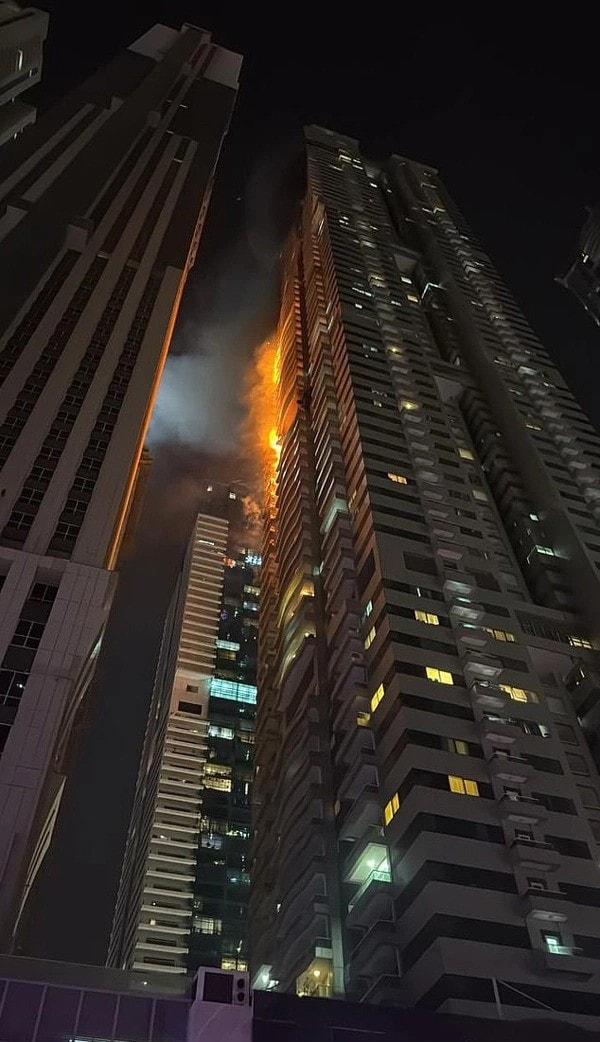
A notification appears on a smartphone.
Within seconds, millions of people around the world are reading the same headline. Social media feeds fill with dramatic claims. Videos begin circulating online. Commentators offer instant reactions, while analysts work to separate fact from speculation.
In today’s interconnected world, major geopolitical developments unfold in real time.
Few regions attract more global attention during periods of uncertainty than the Middle East. For decades, developments in the region have influenced international diplomacy, energy markets, security policies, and global economic stability.
Whenever reports emerge suggesting increased tensions between regional powers, public interest rises immediately.
People want answers.
What is happening?
How serious is the situation?
What could happen next?
The challenge is that during rapidly evolving events, reliable information often arrives more slowly than speculation.
Understanding these moments requires patience, context, and a careful examination of facts.
Why the Middle East Matters to the World
The Middle East occupies a uniquely important position in global affairs.
The region connects continents, hosts vital trade routes, and contains significant energy resources that support economies around the world.
Its strategic importance means that regional developments frequently have international consequences.
Political decisions made in one country can influence diplomatic relationships, energy prices, trade patterns, and security strategies across multiple continents.
As a result, governments, businesses, and citizens closely monitor developments in the region.
This attention reflects not only geopolitical interests but also the interconnected nature of the modern world.
Events in one part of the globe can affect people thousands of miles away.
The History of Regional Tensions
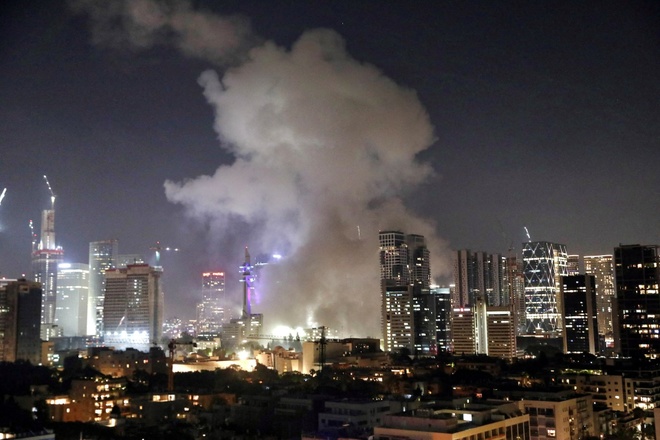
Understanding current events requires historical context.
The Middle East has experienced periods of cooperation, competition, negotiation, and conflict throughout modern history.
Relationships among nations are shaped by decades of political decisions, security concerns, economic interests, and cultural factors.
Because of this complexity, developments that may appear sudden often emerge from longer historical processes.
Diplomatic disagreements, security concerns, and regional rivalries rarely begin overnight.
Instead, they tend to evolve over years and sometimes decades.
Analysts therefore emphasize the importance of examining current events within broader historical frameworks rather than viewing them as isolated incidents.
The Power and Challenge of Viral Videos
One of the defining features of modern geopolitics is the influence of digital media.
A video posted online can reach millions of viewers within minutes.
Images captured by ordinary citizens may become central to international conversations.
At the same time, rapid distribution creates challenges.
Videos can lack context.
Old footage can be recirculated as new.
Partial information can lead to incorrect conclusions.
Experts in media literacy encourage audiences to approach viral content carefully, especially during fast-moving geopolitical situations.
Verification remains essential.
Reliable conclusions require evidence from credible sources, official statements, and independent reporting.
Without verification, speculation can spread faster than facts.
Information in the Digital Age
The internet has transformed how people consume news.
Traditional media organizations once served as the primary gatekeepers of information. Today, information flows through countless channels simultaneously.
Social media platforms allow direct communication between governments, journalists, analysts, and citizens.
This environment offers significant advantages.
Information becomes more accessible.
Voices from affected regions can share firsthand experiences.
Global audiences can follow developments as they happen.
However, these benefits come with challenges.
The speed of information sometimes exceeds the speed of verification.
As a result, audiences must develop strong critical-thinking skills when evaluating claims.
The Role of Diplomacy During Times of Tension
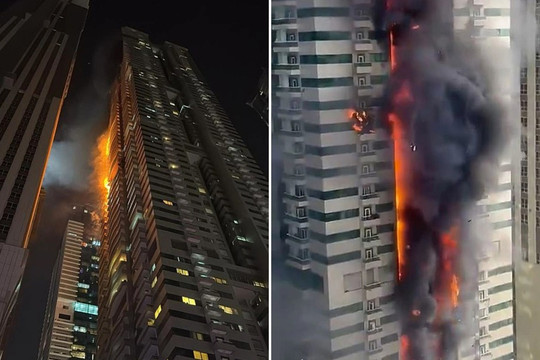
When geopolitical tensions increase, diplomacy becomes particularly important.
Diplomacy involves communication, negotiation, and efforts to manage disagreements without further escalation.
Although diplomatic efforts often occur behind closed doors, they play a vital role in international relations.
Governments frequently maintain communication channels even during periods of significant disagreement.
These channels help reduce misunderstandings, clarify intentions, and explore possible solutions.
Diplomatic engagement may not always attract headlines, but it often serves as a stabilizing force during uncertain periods.
Many international crises have ultimately been addressed through dialogue and negotiation rather than confrontation.
Why Analysts Avoid Quick Conclusions
Professional analysts are often cautious when interpreting developing situations.
This caution sometimes frustrates audiences seeking immediate answers.
However, experts understand that early reports can change as new information emerges.
Initial accounts may be incomplete.
Witness reports may differ.
Official statements may evolve.
For these reasons, experienced observers typically focus on verified facts rather than dramatic predictions.
They recognize that uncertainty is a normal part of rapidly developing events.
Patience and careful analysis often produce more accurate conclusions than immediate speculation.
The Economic Impact of Regional Uncertainty
Even when no major escalation occurs, geopolitical uncertainty can influence global markets.
Investors, businesses, and governments pay close attention to developments in strategically important regions.
Energy markets are particularly sensitive to geopolitical news.
Transportation networks, supply chains, and international trade routes may also attract increased scrutiny during periods of tension.
Economic reactions often reflect perceptions of risk rather than confirmed outcomes.
This reality demonstrates how closely connected global economies have become.
Events occurring in one region can influence financial decisions around the world.
The Human Dimension Behind Headlines
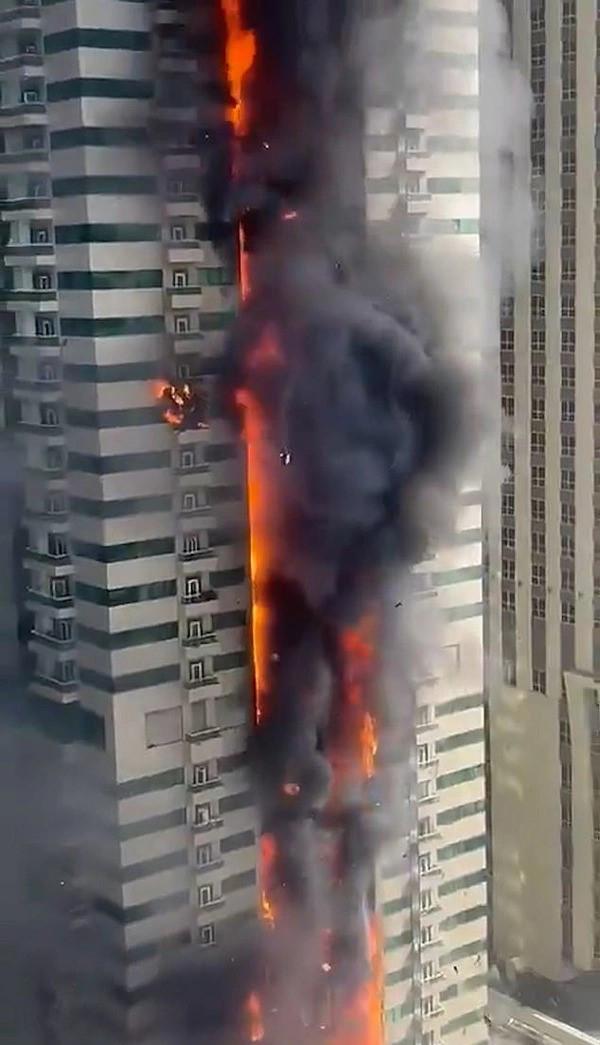
Large geopolitical stories often focus on governments, military strategies, and international relations.
Yet behind every headline are ordinary people.
Families continue their daily routines.
Students attend school.
Workers go to their jobs.
Communities navigate uncertainty while hoping for stability and peace.
Understanding the human dimension helps provide perspective.
Geopolitical developments are not merely abstract policy discussions.
They affect real individuals whose lives may be influenced by decisions made far beyond their local communities.
Recognizing this reality encourages more thoughtful and balanced conversations about international affairs.
The Importance of Reliable Sources
During periods of heightened attention, reliable information becomes especially valuable.
Trusted journalism organizations, official government statements, academic experts, and international institutions often provide important context.
Media literacy specialists recommend evaluating sources carefully.
Questions worth asking include:
Who is reporting the information?
What evidence supports the claim?
Has the information been independently verified?
Are multiple credible sources reporting similar findings?
These practices help audiences distinguish between verified developments and unconfirmed speculation.
Lessons From Previous International Crises
History provides useful perspective.
Many international situations have appeared highly uncertain in their early stages.
Some escalated significantly.
Others ultimately stabilized through diplomatic efforts and negotiations.
One consistent lesson is the importance of avoiding assumptions before sufficient information becomes available.
Another lesson is that public understanding improves when discussions focus on evidence rather than emotion.
Historical examples remind us that international events are often more complex than initial headlines suggest.
Careful analysis remains essential.
The Future of Global Information
As technology continues evolving, information will likely travel even faster.
Artificial intelligence, social media platforms, and real-time communication tools will further transform how people experience global events.
These innovations create opportunities for greater awareness and understanding.
They also increase the importance of media literacy and critical thinking.
Future audiences will need strong skills for evaluating information, understanding context, and identifying reliable sources.
The ability to navigate complex information environments may become one of the most important civic skills of the digital era.
Conclusion
Reports of heightened tensions in the Middle East often attract immediate global attention because of the region’s strategic importance and historical significance. In today’s digital environment, viral videos, social media posts, and breaking-news alerts can shape public perception within minutes.
Yet fast-moving events require careful interpretation. Verified information, historical context, and thoughtful analysis are far more valuable than dramatic speculation. Diplomacy, communication, and evidence-based reporting remain essential tools for understanding complex international developments.
The Middle East continues to play a crucial role in global affairs, making accurate information especially important during periods of uncertainty. While headlines may emphasize urgency, responsible analysis requires patience and attention to facts.
Human curiosity naturally draws us toward dramatic world events. However, the most meaningful understanding comes not from reacting to every rumor or prediction but from carefully examining the realities behind the headlines. In a world filled with instant information, thoughtful observation remains one of the most valuable skills we possess.
Sources
United Nations (UN)
Council on Foreign Relations (CFR)
International Crisis Group
Brookings Institution
Carnegie Endowment for International Peace
Reuters Institute for the Study of Journalism
Associated Press (AP)
BBC News Global Affairs Coverage
Academic Research on Geopolitics and Media Literacy