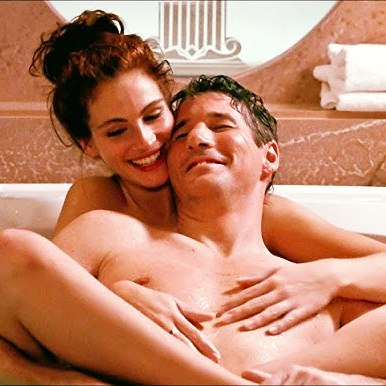
Few romantic films have maintained their popularity quite like Pretty Woman.
Decades after its release, viewers continue to revisit the story of Vivian and Edward, drawn in by its memorable characters, charming humor, and fairy-tale atmosphere. Whether watched for the first time or the fiftieth, the film continues to resonate with audiences across generations.
Part of that lasting appeal comes from its simplicity. At its heart, Pretty Woman tells a story about unexpected connection, personal growth, and the possibility of change. Yet behind the polished final version lies a fascinating creative journey that many fans never knew existed.
Over the years, deleted scenes, early scripts, and behind-the-scenes stories have revealed that the movie audiences know and love could have been dramatically different.
These discoveries have sparked renewed interest among longtime fans, leading many to wonder: What would Pretty Woman have looked like if those scenes had remained in the final film?
The answer offers an intriguing glimpse into Hollywood storytelling and the delicate balance between realism and fantasy.
The Original Vision Was Surprisingly Different
Many successful films evolve significantly during development, and Pretty Woman is a perfect example.
Before becoming a romantic comedy phenomenon, the project reportedly began as a much more serious drama. Early versions of the screenplay explored themes of economic inequality, personal struggle, and social barriers in a far more grounded way.
The original story focused less on romance and more on the realities faced by individuals navigating difficult circumstances.
As development continued, filmmakers recognized an opportunity to reshape the material into something more uplifting and accessible to broader audiences.
This decision ultimately transformed the project into the film that became a worldwide success.
The shift demonstrates how creative decisions can completely redefine a story’s emotional impact.

Why Filmmakers Remove Scenes
Many movie fans assume deleted scenes are removed because they are poorly made.
In reality, this is rarely the case.
Scenes are often removed because they affect pacing, tone, or overall narrative consistency.
Even well-acted and beautifully filmed sequences may be cut if they distract from the story’s central message.
Filmmakers frequently ask important questions during editing:
Does this scene advance the plot?
Does it strengthen character development?
Does it support the film’s tone?
Does it improve audience engagement?
If the answer is no, the scene may be removed despite its quality.
Pretty Woman offers several examples of this creative process in action.
The Delicate Balance Between Fantasy and Reality
One reason Pretty Woman remains beloved is its fairy-tale quality.
The film embraces optimism, romance, and emotional transformation.
Viewers are invited into a world where unexpected connections lead to personal growth and happiness.
Many of the deleted scenes reportedly added more realistic or complicated elements to the story.
While these moments may have provided additional context, they also risked shifting the movie away from its lighthearted tone.
Filmmakers often face difficult choices when balancing authenticity with entertainment.
Too much realism can diminish escapist enjoyment.
Too much fantasy can reduce emotional credibility.
The final version of Pretty Woman found a balance that connected strongly with audiences.
Deleted Scenes That Fascinate Fans
Over time, fans have become particularly interested in several deleted sequences that provide additional insight into the characters.
These scenes often reveal moments that were not fully explored in the theatrical release.
Some offer expanded conversations.
Others provide additional background information.
A few simply allow viewers to spend more time with characters they have grown to love.
For longtime fans, discovering these scenes can feel like uncovering hidden chapters from a favorite novel.
They do not necessarily change the story, but they enrich the viewing experience.
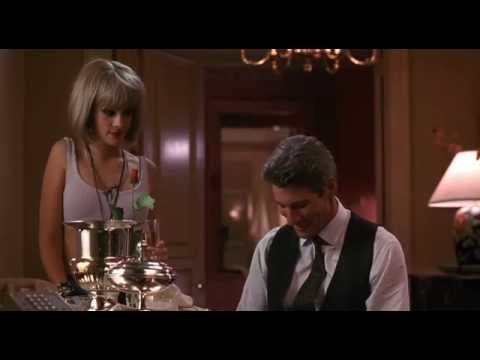
The Horse Riding Scene Everyone Talks About
Among the deleted moments frequently discussed by fans, one scene stands out above the rest.
The horseback riding sequence has become particularly popular among viewers who have discovered it years after the film’s release.
The scene reportedly shows Vivian and Edward spending additional time together outside their usual environments.
Rather than advancing the plot significantly, the moment focuses on character interaction and shared experience.
Many fans appreciate the scene because it provides a quieter glimpse into their developing relationship.
The sequence adds atmosphere, warmth, and a sense of freedom that complements the film’s romantic themes.
While the movie works perfectly without it, viewers often express curiosity about how the scene might have enhanced the final story.
Character Development Beyond the Main Plot
One advantage of deleted scenes is their ability to provide additional character depth.
Feature films often face strict time constraints.
As a result, supporting details and smaller moments may be sacrificed to maintain pacing.
Several deleted scenes from Pretty Woman reportedly explore aspects of Vivian’s life beyond her interactions with Edward.
These moments offer a broader understanding of her personality, experiences, and perspective.
Character-driven storytelling often benefits from such details.
Audiences enjoy feeling that characters exist beyond the immediate demands of the plot.
Even brief scenes can create a richer emotional connection.
Why Audiences Love Extended Versions
The popularity of director’s cuts and extended editions reflects a simple truth:
People enjoy spending more time in stories they love.
When viewers connect deeply with a film, additional content becomes highly valuable.
Deleted scenes provide:
Extra character moments.
Expanded dialogue.
Additional world-building.
Alternative interpretations.
Fresh viewing experiences.
For fans of Pretty Woman, these scenes offer an opportunity to revisit familiar characters through a new lens.
The film becomes both nostalgic and newly discovered at the same time.
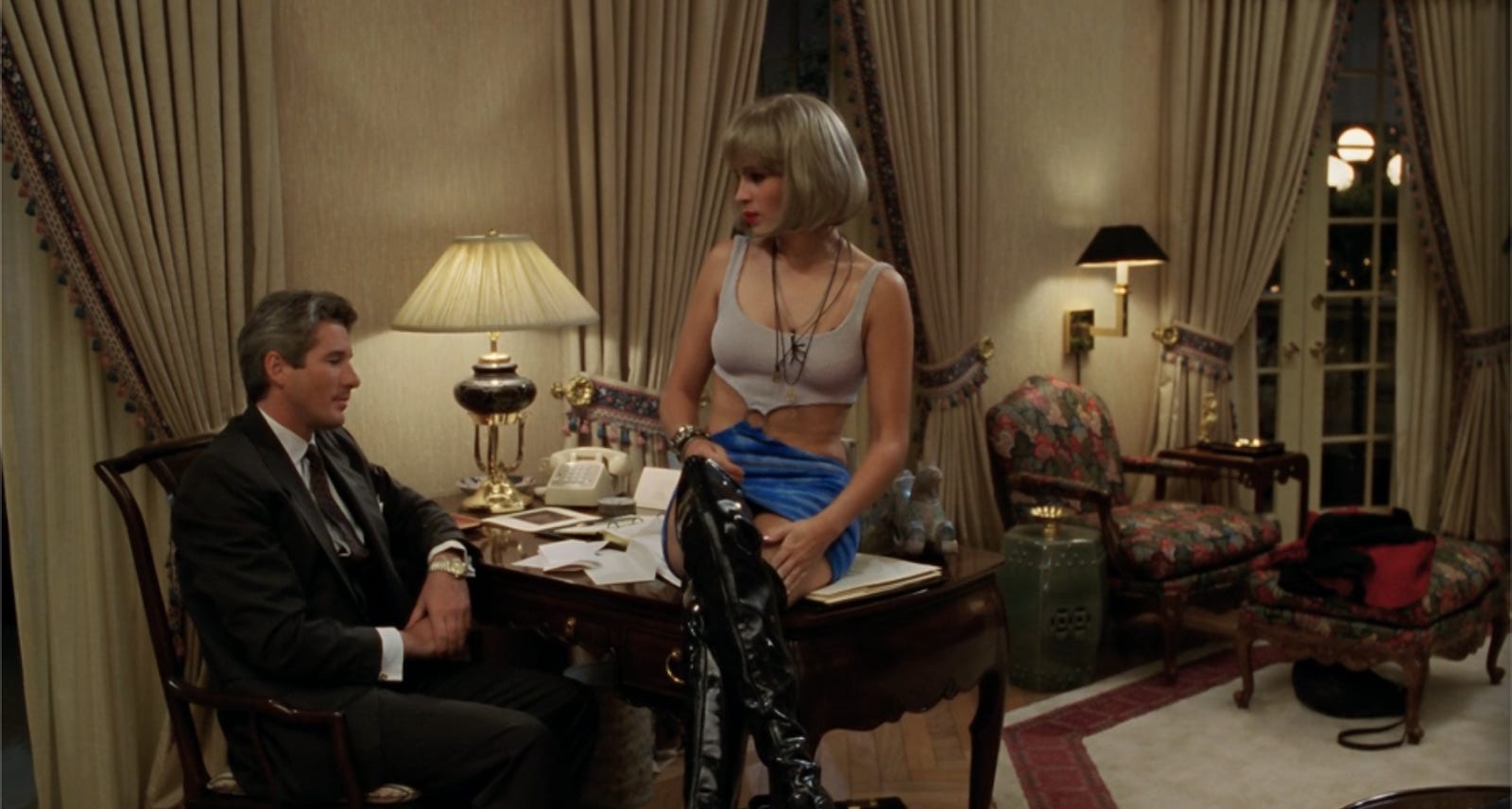
The Cultural Impact of Pretty Woman
To understand interest in deleted scenes, it helps to appreciate the film’s broader cultural significance.
Since its release, Pretty Woman has become one of the most recognizable romantic films ever made.
Its influence extends beyond cinema.
The movie has inspired discussions about romance, personal transformation, fashion, and storytelling.
Iconic scenes remain recognizable decades later.
Quotes continue to be referenced in popular culture.
New generations continue discovering the film through streaming services and television broadcasts.
This lasting popularity helps explain why audiences remain eager to explore every aspect of its production history.
The Magic of On-Screen Chemistry
One factor consistently cited by viewers is the chemistry between the lead characters.
Strong performances often elevate a script beyond its basic premise.
When audiences believe in the connection between characters, emotional investment naturally follows.
Deleted scenes frequently highlight this chemistry in new ways.
Additional conversations, shared experiences, and quieter interactions allow viewers to observe subtle aspects of the relationship.
Even scenes that do not significantly affect the plot can strengthen audience attachment to the characters.
This is particularly true in romance films, where emotional authenticity often matters more than complex storytelling.
Could the Deleted Scenes Have Improved the Film?
This question continues to spark debate among fans.
Some viewers believe certain deleted moments would have enhanced the movie by adding greater depth and realism.
Others argue that removing them was the correct decision because it preserved the film’s pacing and fairy-tale atmosphere.
Both perspectives have merit.
Additional scenes often provide valuable context.
However, restraint is also an important part of storytelling.
Sometimes what is left out contributes just as much as what remains.
The enduring success of Pretty Woman suggests that the filmmakers ultimately made choices that resonated with audiences.
Yet the continued fascination with deleted footage demonstrates that viewers still enjoy imagining alternative versions of the story.
How Deleted Scenes Change the Way We Watch Movies
Exploring deleted scenes encourages audiences to think differently about filmmaking.
Movies are not created in a single step.
They evolve through writing, filming, editing, and refinement.
The final version represents countless creative decisions.
Deleted footage reveals possibilities that existed along the way.
It reminds viewers that every film could have taken multiple paths before arriving at its finished form.
This perspective often deepens appreciation for the art of filmmaking.
Rather than viewing deleted scenes as mistakes or missed opportunities, many film enthusiasts see them as fascinating pieces of the creative process.
The Enduring Appeal of Romantic Storytelling
At its core, Pretty Woman remains popular because it taps into timeless themes.
Hope.
Transformation.
Connection.
Personal growth.
These themes continue to resonate regardless of changing trends.
Audiences often seek stories that provide emotional comfort and optimism.
While realism has its place, there is also value in stories that inspire imagination and possibility.
The film’s lasting success demonstrates the enduring appeal of romantic storytelling done well.
Its deleted scenes offer interesting alternatives, but they also reinforce how carefully the final version was crafted.
Conclusion: A Movie That Continues to Surprise Its Fans
More than three decades after its release, Pretty Woman continues to capture the imagination of viewers around the world.
The discovery of deleted scenes has given fans a rare opportunity to glimpse the film’s creative evolution and imagine how different choices might have changed the final product.
Some of these scenes provide additional character depth.
Others add atmosphere and emotional texture.
A few simply offer the pleasure of spending more time with beloved characters.
Yet perhaps the most fascinating lesson is not what was removed, but why.
Filmmaking is an art of choices.
Every scene included or excluded shapes the audience’s experience.
The deleted footage reminds us that the version we know today emerged through careful decisions designed to preserve tone, pacing, and emotional impact.
For fans, these hidden moments serve as a gift from the past—a chance to revisit a classic story with fresh eyes and renewed appreciation.
And that may be the greatest magic of all: a beloved film that continues to reveal new layers long after its original release.
Sources
Official Pretty Woman Home Media Releases
Interviews with Screenwriter J.F. Lawton
Film Comment Magazine
American Film Institute (AFI)
Turner Classic Movies (TCM)
Academy of Motion Picture Arts and Sciences Archives
Published interviews with cast and production team members