
Introduction: The Photo That Made Everyone Look Twice
Have you ever scrolled through social media and stopped at a photo that seemed completely impossible?
Perhaps it looked like someone was holding up a skyscraper with one hand. Maybe a pet appeared larger than a car, or a cloud seemed perfectly positioned atop a building like a giant hat. At first glance, the image made no sense. Yet after a few seconds, the mystery suddenly unraveled, revealing a perfectly ordinary moment captured from an extraordinary angle.
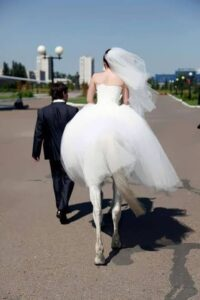
These images belong to a fascinating category known as optical illusion photography. They remind us that what we see is not always what is actually there. Through perspective, timing, lighting, and coincidence, photographers can create pictures that challenge our understanding of reality without using digital manipulation.
The popularity of these photographs continues to grow because they combine creativity, humor, science, and human curiosity into a single frame.

What Is Optical Illusion Photography?
Optical illusion photography refers to images that trick the viewer’s perception. The photograph itself is real, but the way elements appear within the frame creates confusion or surprise.
Unlike heavily edited images, many illusion photographs rely on natural circumstances. The illusion occurs because the camera captures a specific angle, distance, or moment that causes objects to appear different from reality.
The human brain constantly processes visual information and attempts to make quick judgments about size, distance, depth, and movement. When a photo presents conflicting visual clues, the brain temporarily struggles to interpret the scene correctly.
That brief moment of confusion is what makes optical illusion photography so entertaining.
The Science of Perspective
One of the most common techniques behind illusion photography is perspective.
Perspective refers to the relationship between objects and the camera. Because cameras capture three-dimensional scenes on a two-dimensional surface, distance can dramatically alter appearance.
Objects closer to the camera appear larger, while objects farther away seem smaller. Photographers can use this principle to create surprising visual effects.
Forced Perspective Photography
Forced perspective is one of the oldest and most popular illusion techniques.
In these images, subjects intentionally position themselves so that distant objects appear much closer than they actually are.
Common examples include:
People appearing to hold famous landmarks.
Tourists pretending to pinch the moon between their fingers.
Friends seemingly balancing buildings on their shoulders.
Objects appearing giant or miniature.
Although viewers understand that the effect is an illusion, the image remains visually satisfying because the brain initially accepts the false perspective.

Why the Human Brain Gets Confused
Our brains evolved to make rapid decisions about the world around us.
When looking at a scene in real life, we use numerous visual clues such as:
Depth
Motion
Shadows
Relative size
Distance
Texture
When viewing a photograph, some of these clues disappear. The brain must rely on limited information to interpret the image.
As a result, it may reach an incorrect conclusion before recognizing the true explanation.
Psychologists often study optical illusions because they reveal how perception works. These visual puzzles demonstrate that seeing is not simply a matter of recording information. Instead, the brain actively interprets and reconstructs what it believes it is observing.
The Role of Timing
Sometimes the difference between an ordinary photograph and a viral illusion is only a fraction of a second.
Perfect timing can create images that appear impossible.
Examples include:
A bird flying through a frame at exactly the right moment.
A person jumping so they appear to float.
A cloud aligning with a building.
A sports player appearing to perform an unbelievable stunt.
Many photographers spend hours waiting for these opportunities. Others capture them accidentally with smartphones during everyday activities.
This unpredictability adds to the charm of illusion photography.
How Lighting Creates Visual Tricks
Lighting plays a crucial role in how we perceive objects.
Shadows, reflections, and highlights can alter the appearance of a scene dramatically.
A simple shadow may create the illusion of depth where none exists. Reflections can blend separate objects together. Bright sunlight may obscure important details while emphasizing others.
Photographers often use natural light creatively to generate visual confusion.
Reflection Illusions
Reflections are particularly effective because they introduce duplicate visual information.
Water, mirrors, glass windows, and polished surfaces can all create fascinating optical effects.
Sometimes a reflected image appears more prominent than the actual object, causing viewers to misinterpret what they are seeing.
The result is a photograph that demands a second look.
Everyday Places Produce Extraordinary Images
One of the most appealing aspects of illusion photography is that it can happen anywhere.
You do not need an expensive studio or advanced equipment.
Many viral illusion photos are captured in ordinary environments such as:
Parks
Beaches
City streets
Family gatherings
Sporting events
Schools
Public transportation
Because these settings are familiar, the visual trick becomes even more surprising.
Viewers enjoy discovering that something seemingly impossible occurred in a completely normal location.

Animals and Optical Illusions
Animals are among the most popular subjects in illusion photography.
Their unpredictable behavior often creates amusing visual surprises.
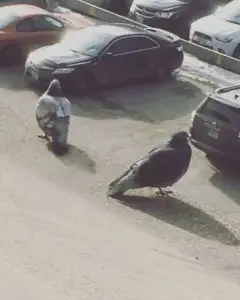
A pet sitting close to a camera lens can appear enormous. Birds flying near the photographer may seem gigantic compared to buildings in the background.
Pets also produce humorous illusions through facial expressions, body positioning, and timing.
Many viral animal photos owe their popularity to accidental perspective tricks rather than intentional planning.
These images combine two things people already love: animals and visual puzzles.
The Rise of Smartphone Photography
The smartphone revolution transformed illusion photography.
In the past, creating memorable optical illusions often required specialized cameras or photography knowledge.
Today, nearly everyone carries a high-quality camera in their pocket.
This accessibility has dramatically increased the number of illusion photographs being shared online.
Modern smartphone cameras offer:
High-resolution images
Fast shutter speeds
Burst photography modes
Advanced image stabilization
Wide-angle lenses
These features make it easier than ever to capture unexpected moments.
As a result, social media platforms are filled with photographs that challenge perception and spark conversation.

Why Illusion Photos Go Viral
Optical illusion photography is perfectly suited for social media.
People naturally enjoy solving puzzles.
When viewers encounter a confusing image, they spend additional time examining it. They zoom in, share it with friends, and discuss possible explanations.
This increased engagement helps illusion photos spread rapidly online.
Researchers studying online content have found that curiosity plays a major role in content sharing. Images that create questions often perform better than images that immediately provide answers.
Optical illusions are curiosity engines.
They invite participation rather than passive viewing.
Creativity Without Digital Editing
One reason many people appreciate illusion photography is its authenticity.
While advanced editing software can create impressive visual effects, naturally occurring illusions often feel more satisfying.
Knowing that an image was captured through clever positioning, patience, and timing adds to its appeal.
Photographers frequently challenge themselves to create remarkable images using only:
Perspective
Natural light
Composition
Timing
Location
This approach highlights creativity rather than technology.
It demonstrates that extraordinary photographs can emerge from ordinary situations.
Learning to See Differently
Optical illusion photography encourages viewers to slow down and observe more carefully.
In a fast-paced digital world, many images are consumed within seconds. Illusion photographs disrupt this pattern.
They require attention.
They reward curiosity.
They remind us that appearances can be misleading.
For photographers, these images provide an opportunity to explore new perspectives and experiment with composition.
For viewers, they offer entertainment while revealing fascinating insights into how human perception works.
The Future of Illusion Photography
As camera technology continues to improve, illusion photography is likely to become even more popular.
Artificial intelligence, augmented reality, and advanced imaging tools may introduce new creative possibilities. However, the core appeal will remain unchanged.
People will always enjoy photographs that surprise them.
The most memorable illusion images do not depend on technology alone. They rely on imagination, observation, and the ability to recognize extraordinary moments hidden within ordinary scenes.
Whether captured with a professional camera or a smartphone, these photographs remind us that the world often looks different when viewed from a new angle.
Conclusion: Looking Beyond the First Glance
Optical illusion photography demonstrates the remarkable relationship between reality and perception.
A simple change in angle can transform an ordinary scene into something unforgettable. A perfectly timed moment can create a visual puzzle that captivates millions of people worldwide.
These images are more than entertainment. They reveal how the human brain interprets information, how perspective influences understanding, and how creativity can emerge from everyday experiences.
Perhaps that is why illusion photography continues to fascinate people of all ages. It encourages us to pause, look closer, and question our first impressions.
In many ways, these photographs reflect a broader human truth: the world is often more interesting than it appears at first glance. Sometimes the most remarkable discoveries happen when we take a second look.
Sources
-
American Psychological Association (APA) – Research on visual perception and cognitive processing.
-
National Geographic Photography – Articles on photographic composition and perspective.
-
Smithsonian Magazine – Features on photography, perception, and visual culture.
-
Adobe Creative Cloud Photography Guides – Educational resources on forced perspective photography.
-
British Journal of Psychology – Studies related to visual illusions and human perception.
-
Association for Psychological Science (APS) – Research on how the brain interprets visual information.
-
Digital Photography School – Educational materials on perspective, composition, and illusion photography.
-
Royal Photographic Society – Resources on photographic techniques and visual storytelling.