Every community has individuals whose dedication leaves a lasting impact on those around them.
Some serve through their professions. Others contribute through volunteer work, advocacy, or mentorship. A select few manage to do all of these things at once, inspiring people both online and offline through their commitment to helping others.
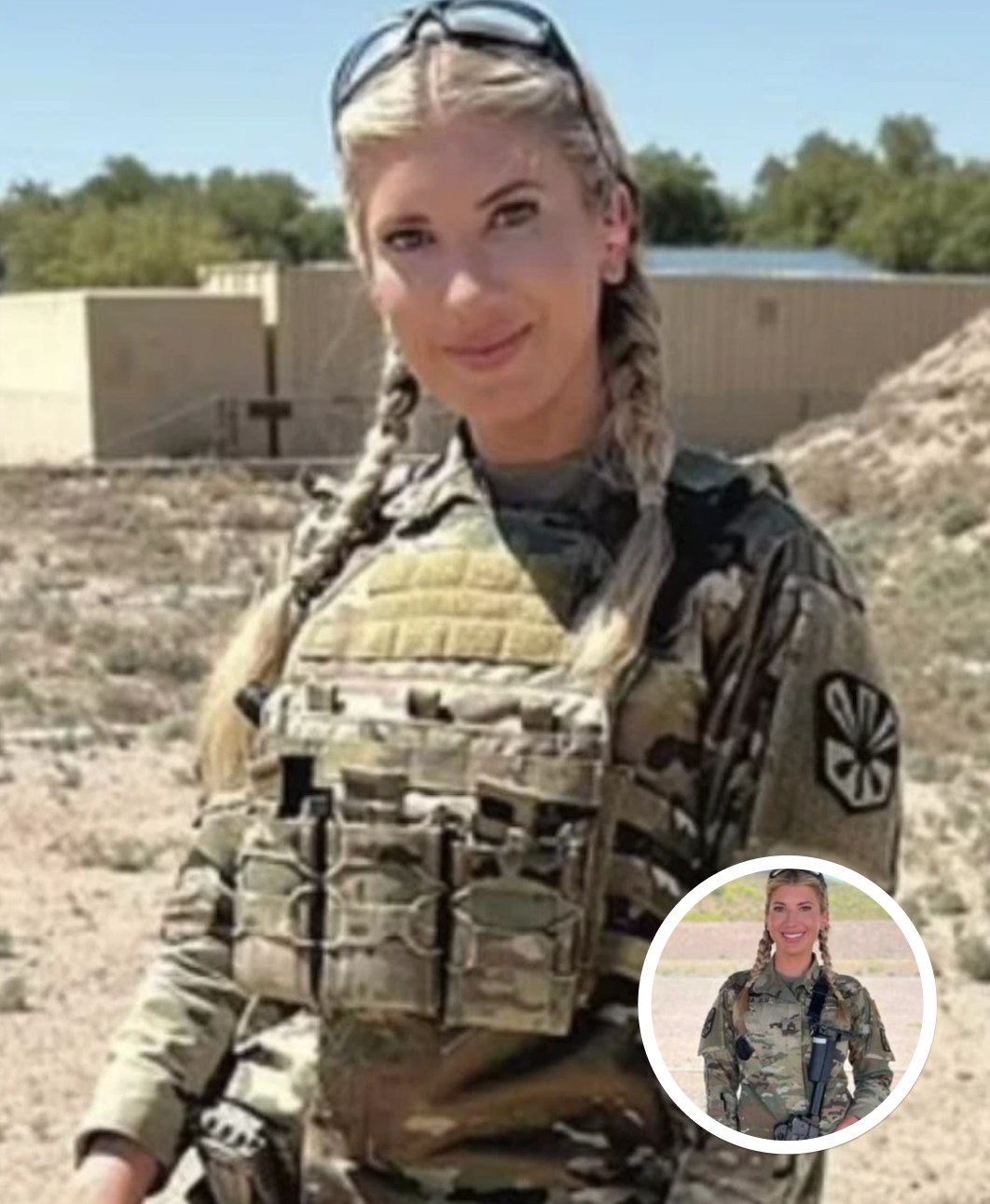
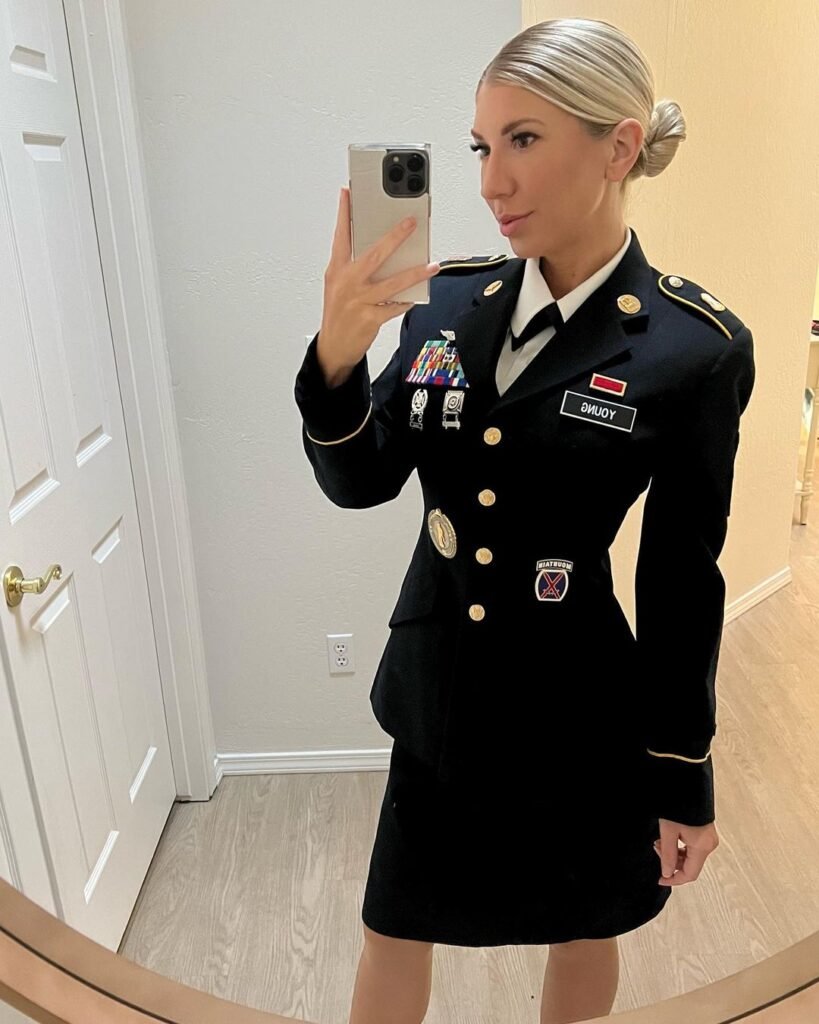
The story of Staff Sgt. Michelle Young resonated with many people because it reflected a life devoted to service, family, and community involvement. As a member of the United States Army, a fitness advocate, and a supporter of veteran causes, she influenced countless individuals through her work and public outreach.
Following news of her passing in early 2024, friends, family members, and supporters shared memories that highlighted not only her accomplishments but also the importance of mental health awareness and community support.
Her story has encouraged broader conversations about the challenges faced by veterans, the importance of emotional well-being, and the value of reaching out for help during difficult times.
A Commitment to Military Service
Military service often requires extraordinary dedication.
Men and women who choose this path commit themselves to responsibilities that demand discipline, resilience, and sacrifice. Throughout their careers, service members frequently balance professional duties with family responsibilities and personal goals.
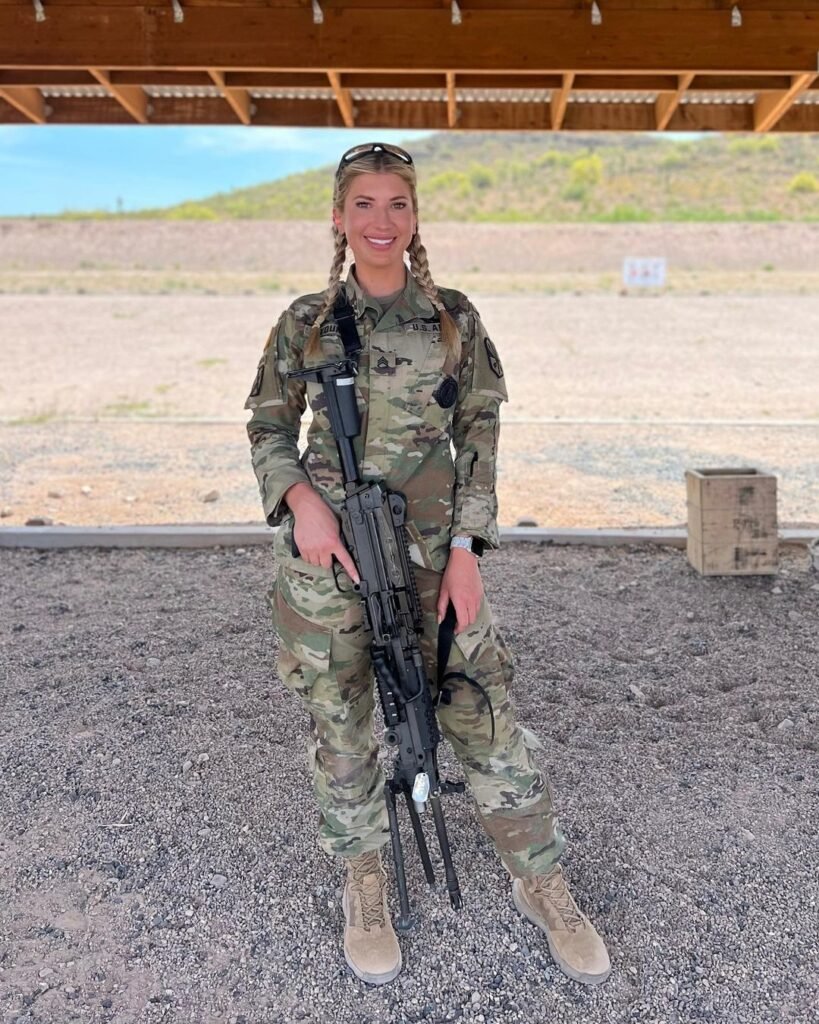
Michelle Young’s military journey began at a young age and spanned more than a decade and a half. During those years, she built a reputation for professionalism and commitment while serving her country.
For many veterans, military service becomes more than a career. It shapes values, strengthens leadership abilities, and creates lifelong bonds with fellow service members.
These experiences often foster a strong sense of purpose that continues long after active service ends.
Balancing Multiple Roles
One reason many people connected with Michelle’s story was her ability to balance multiple responsibilities.
In addition to her military career, she was also known for her presence on social media, where she shared fitness content, personal achievements, and messages of encouragement.
Modern platforms allow individuals to connect with audiences across the world, creating opportunities to inspire, educate, and support others.
For many followers, her content reflected determination, self-discipline, and positivity.
At the same time, her story serves as a reminder that public appearances do not always reveal the full complexity of a person’s experiences.
Mental health experts frequently note that individuals can appear successful, confident, and accomplished while still facing personal challenges that remain largely unseen.
Recognizing this reality encourages greater empathy and understanding within communities.
The Importance of Family Connections
Among the many tributes shared after Michelle’s passing, one theme appeared repeatedly: her deep love for her daughter.
Friends and family members described a close relationship built on support, encouragement, and shared experiences.
Strong family bonds often provide stability during life’s challenges. Parents play a critical role in shaping a child’s confidence, emotional development, and sense of security.
Research consistently shows that supportive family relationships contribute positively to overall well-being for both children and adults.
The public memories shared by loved ones emphasized the importance of these connections and the lasting impact they create.
Family relationships remain one of the most meaningful aspects of human life, offering opportunities for growth, understanding, and mutual support.
Why Mental Health Awareness Matters
Over the past several decades, mental health awareness has become an increasingly important public conversation.
Organizations around the world have worked to reduce stigma, improve education, and encourage people to seek support when needed.
Mental health is an essential component of overall health.
Just as physical health requires attention and care, emotional and psychological well-being also benefit from ongoing support.
Common challenges people may experience include:
Stress
Work, family responsibilities, financial concerns, and life transitions can create significant pressure.
Anxiety
Periods of uncertainty may lead to persistent worry or emotional discomfort.
Emotional Exhaustion
Long-term demands can contribute to feelings of fatigue and reduced motivation.
Social Isolation
A lack of meaningful connection may affect emotional well-being.
Life Transitions
Major changes can create adjustment challenges even when they involve positive opportunities.
Understanding these experiences helps normalize conversations about mental health and encourages individuals to seek assistance when appropriate.
Unique Challenges Faced by Veterans
Veterans often possess remarkable resilience developed through years of training and service.
However, military life can also involve experiences that require significant emotional adaptation.
Researchers and veteran support organizations have identified several challenges that may affect former service members.
Transitioning to Civilian Life
Adjusting from military culture to civilian environments can be a significant change.
Career Changes
Leaving structured military roles often requires developing new professional pathways.
Family Responsibilities
Balancing personal commitments while adapting to new circumstances can be demanding.
Identity and Purpose
Many veterans spend years building careers centered on service, making transitions particularly meaningful.
Veteran organizations continue working to provide resources, mentorship, counseling, and community connections that support successful transitions and long-term well-being.
The Power of Advocacy
One of the most significant aspects of Michelle’s public work involved advocacy.
Advocates play a crucial role in raising awareness about important social issues and encouraging meaningful conversations.
Through public outreach, education, and community engagement, advocates help connect people with resources and support networks.
Veteran advocacy has become especially important in recent years as organizations focus on:
Improving access to care.
Supporting housing initiatives.
Expanding employment opportunities.
Strengthening community engagement.
Promoting mental health awareness.
Advocates often help individuals recognize that seeking support is a sign of strength rather than weakness.
Building Strong Support Systems
Experts consistently emphasize the importance of support networks in promoting emotional well-being.
Support can come from many sources.
Family Members
Loved ones often provide encouragement, understanding, and practical assistance.
Friends
Trusted friendships create opportunities for open conversation and emotional connection.
Professional Counselors
Licensed professionals can help individuals navigate challenges and develop coping strategies.
Community Organizations
Local groups frequently offer resources, educational programs, and peer support.
Veteran Networks
Shared experiences often foster meaningful connections among former service members.
Strong support systems contribute to resilience and help individuals navigate difficult periods more effectively.

Breaking the Stigma Around Mental Health Conversations
Although awareness has improved significantly, some individuals still hesitate to discuss emotional challenges.
Mental health professionals encourage open and respectful conversations that normalize seeking assistance.
Several misconceptions continue to create barriers:
The belief that asking for help reflects weakness.
The assumption that successful people never struggle emotionally.
The idea that challenges should always be managed independently.
Research consistently demonstrates that reaching out for support is a healthy and proactive response to life’s difficulties.
Open conversations help create environments where individuals feel more comfortable discussing concerns and accessing available resources.
The Role of Community During Difficult Times
Communities often play an important role when families experience loss or hardship.
Acts of kindness, messages of support, fundraising efforts, and emotional encouragement can provide comfort during challenging periods.
Following Michelle’s passing, supporters came together to assist her family and honor her memory.
Such responses demonstrate the positive impact communities can have when people unite around shared compassion and concern.
Whether through practical assistance or emotional support, collective efforts remind individuals that they are not alone.
These moments often reveal the strength and generosity that exist within communities.
Lessons in Compassion and Awareness
Stories like Michelle’s encourage reflection on several important themes.
First, they remind us that every individual has experiences and challenges that may not be immediately visible.
Second, they highlight the importance of empathy.
A simple conversation, supportive gesture, or willingness to listen can make a meaningful difference in someone’s life.
Third, they reinforce the value of accessible mental health resources and ongoing public education.
Awareness alone is not enough. Communities, organizations, and institutions must continue working together to ensure support remains available and accessible.
Creating a Culture of Support
Building a culture that prioritizes emotional well-being benefits everyone.
Practical steps include:
Encouraging open communication.
Promoting mental health education.
Supporting workplace wellness initiatives.
Strengthening community programs.
Expanding access to professional services.
Recognizing signs of emotional distress.
Celebrating resilience and recovery.
These efforts help create environments where individuals feel valued, understood, and supported.
Looking Forward
While stories of loss are difficult, they can also inspire positive action.
Conversations about mental health have become more common than ever before, leading to greater awareness and improved access to support resources.
Veteran organizations, healthcare providers, educators, employers, and community leaders all play important roles in continuing this progress.
Every step toward understanding and support contributes to healthier communities and stronger relationships.
The goal is not only to respond when challenges arise but also to create environments that encourage well-being long before difficulties become overwhelming.
Conclusion: Remembering the Importance of Connection
The life of Staff Sgt. Michelle Young touched many people through military service, advocacy, community involvement, and family devotion. The tributes shared by friends and supporters reflected admiration for her accomplishments and appreciation for the positive influence she had on others.
Her story also highlights broader lessons about mental health awareness, the importance of support systems, and the value of compassionate communities.
As society continues working to improve understanding of emotional well-being, stories like this remind us that meaningful connections matter. They encourage us to listen more carefully, support one another more openly, and recognize that everyone faces challenges at different points in life.
Human curiosity often leads us to ask why difficult events occur. While answers are not always simple, these moments can inspire greater empathy, stronger communities, and a deeper commitment to helping one another thrive.
Sources
U.S. Department of Veterans Affairs (VA)
National Institute of Mental Health (NIMH)
Substance Abuse and Mental Health Services Administration (SAMHSA)
American Psychological Association (APA)
National Alliance on Mental Illness (NAMI)
Wounded Warrior Project
Military OneSource
Centers for Disease Control and Prevention (CDC)