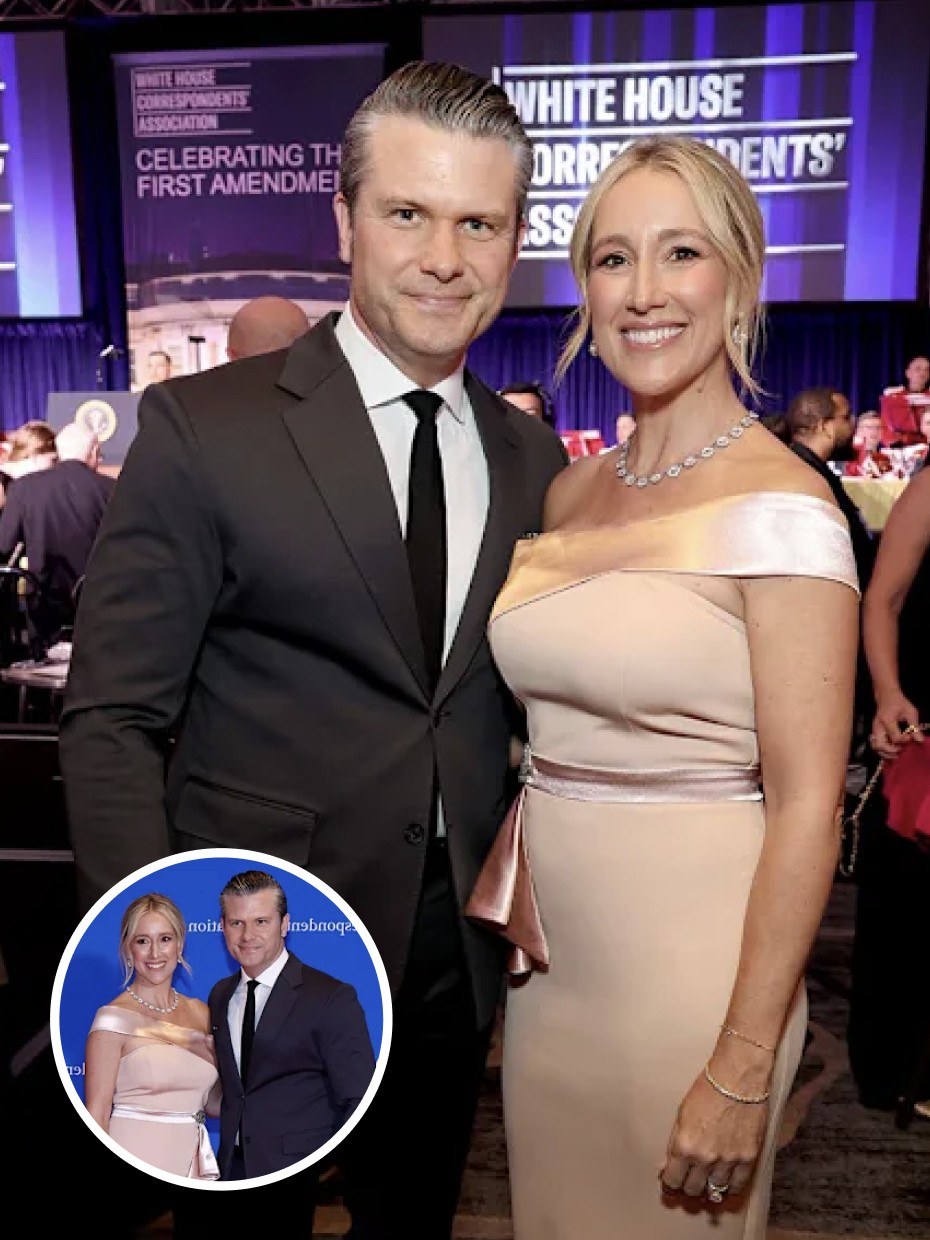
The annual White House Correspondents’ Association Dinner is known for bringing together politicians, journalists, celebrities, and public figures for one of Washington’s most talked-about evenings.
This year, however, much of the online discussion shifted away from politics and toward fashion after photos of Pete Hegseth and his wife Jennifer Rauchet began circulating widely online.
What initially appeared to be a routine red-carpet appearance soon turned into a larger social media conversation about fashion, political branding, internet culture, and public expectations surrounding prominent figures.
The Event That Drew National Attention
Held at the Washington Hilton, the White House Correspondents’ Association Dinner traditionally attracts high-profile guests from politics, entertainment, journalism, and media.
The 2026 gathering included several notable political figures, including:
Donald Trump
JD Vance
Senior administration officials and media personalities also attended the widely covered event.
While the evening included political discussion and celebrity appearances, online attention eventually centered on photographs of Hegseth and Rauchet posing together during the event.

The Dress That Sparked Speculation
Social media discussion intensified after influencer Ella Devi shared side-by-side images comparing Jennifer Rauchet’s gown to a similar-looking dress reportedly listed on the shopping platform Temu.
The post quickly gained traction across platforms like X and TikTok, leading thousands of users to debate whether the gown may have originated from an inexpensive online retailer.
Importantly, online comparisons alone did not conclusively establish the origin of the dress. Many commenters also noted that similar designs frequently appear across multiple brands and retailers, particularly in the modern fast-fashion landscape.
Still, the speculation became a major topic of conversation online.
Why Fashion Discussions Become Political
What may once have remained a simple fashion discussion quickly evolved into broader political commentary.
Some critics argued that wearing an outfit potentially connected to overseas manufacturing conflicted with “America First” political messaging often associated with conservative movements.
Others pushed back strongly against the criticism, arguing that affordable fashion should not be treated negatively or viewed as controversial.
The debate reflected a growing trend where fashion choices made by public figures are increasingly interpreted through political or ideological lenses.
Experts in media culture often note that clothing has become more than personal style. For celebrities and political personalities alike, fashion is now frequently viewed as part of public branding and identity.
Social Media and Instant Viral Reactions
One major reason the story spread so quickly was the speed and structure of modern social media platforms.
A single side-by-side comparison image rapidly evolved into:
Political commentary
Fashion criticism
Economic discussions
Class debates
Influencer reactions
Memes and jokes
Online platforms often encourage fast emotional reactions, especially around high-profile public figures. As a result, relatively small details can become major viral discussions within hours.
In this case, a single dress became symbolic for entirely different conversations depending on the viewer’s perspective.
The Role of Influencer Culture
Attention also shifted toward the influencer who originally amplified the comparison online.
Ella Devi, known for combining political commentary with fashion-focused content, already had an established online audience discussing culture, luxury brands, and public figures.
Supporters praised her for blending fashion analysis with social commentary, while critics questioned whether influencer-driven debates sometimes amplify outrage unnecessarily.
This dynamic reflects the increasing influence content creators now hold in shaping news cycles and online discussions.
Traditional media no longer fully controls public narratives. Instead, influencers, viral posts, and social sharing frequently determine which moments dominate public attention.
Fashion, Affordability, and Public Perception
One interesting aspect of the debate involved differing attitudes toward affordability in fashion.
Some online users criticized the alleged connection to a budget marketplace, while others argued the criticism itself felt disconnected from everyday reality during a period when many households remain financially cautious.
Several commenters pointed out that affordable clothing has become increasingly normalized across all social groups, including among celebrities and public figures.
Others emphasized that style and presentation matter more than price tags alone.
The discussion highlighted how fashion often reflects broader conversations about:
Economic identity
Consumer culture
Status symbols
Authenticity
Social expectations

Fast Fashion and Designer Similarities
Many fashion observers also noted an important reality about modern clothing markets: fast-fashion companies frequently produce styles visually similar to luxury or designer pieces.
As a result, determining whether a dress originated from a particular retailer based solely on photographs can be difficult.
Fashion analysts have long discussed how online shopping platforms accelerate trend replication. Designs appearing on runways or celebrity red carpets often inspire mass-market versions within weeks.
This overlap between luxury aesthetics and affordable retail has increasingly blurred traditional distinctions in fashion culture.
Public Figures and Constant Scrutiny
The story also demonstrated how public figures today operate under constant observation.
In earlier decades, red-carpet appearances might primarily generate coverage in fashion magazines or entertainment segments. Today, however, millions of social media users analyze clothing choices in real time, often attaching political or cultural interpretations to them.
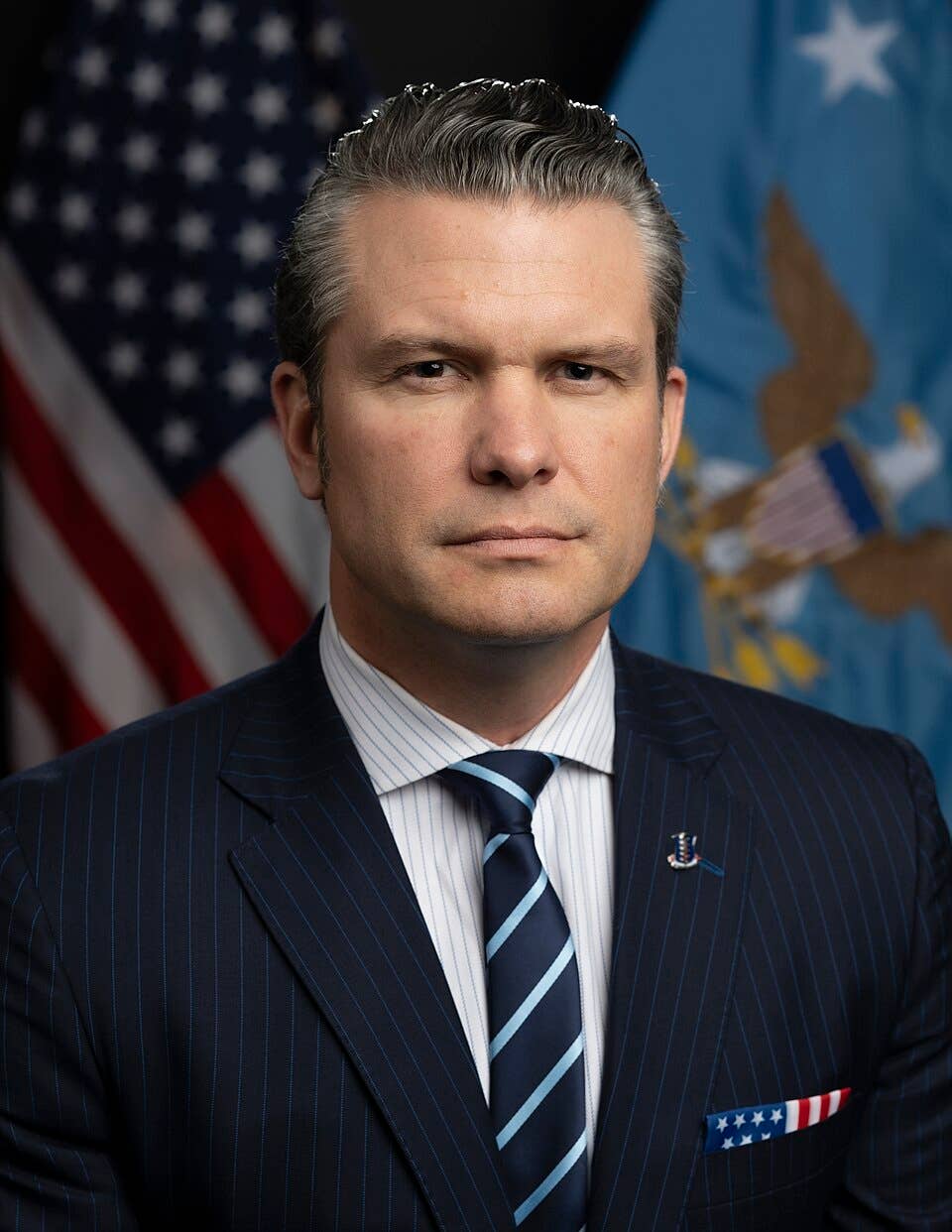
For prominent personalities like Pete Hegseth and Jennifer Rauchet, even relatively minor visual details can become subjects of widespread public conversation.
This reflects a broader cultural shift where celebrity, politics, and internet discourse increasingly overlap.
Why Stories Like This Spread So Quickly
Media experts often explain that stories combining several key elements tend to spread rapidly online:
Politics
Celebrity culture
Fashion
Social identity
Internet speculation
Visual imagery
This controversy contained all of those ingredients simultaneously.
The story also remained relatively low-stakes compared to serious political or global events, making it easier for audiences to engage casually through humor, memes, or opinion-sharing.
In many ways, the viral attention surrounding the dress revealed as much about internet culture as it did about the people involved.

Conclusion
The online reaction to photos of Pete Hegseth and Jennifer Rauchet at the White House Correspondents’ Association Dinner demonstrates how quickly modern social media can transform a small visual detail into a nationwide cultural conversation.
What began as speculation about the possible origin of a dress soon expanded into broader debates about politics, affordability, branding, influencer culture, and online outrage.
Whether viewers saw the discussion as meaningful criticism or unnecessary internet drama largely depended on their own perspectives. Yet the story clearly illustrated how public attention now moves rapidly between entertainment, politics, and social commentary.
In the end, the reaction surrounding one evening gown revealed less about fashion itself and more about the highly connected, fast-moving digital culture that shapes modern public conversation.