
It happens quietly and unexpectedly.
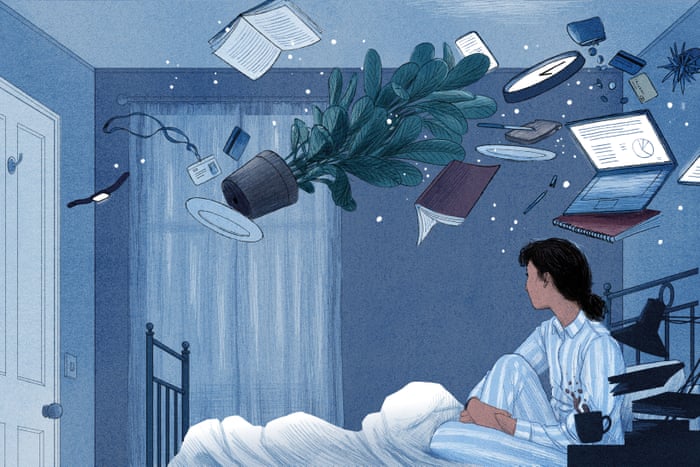
You fall asleep normally, only to suddenly open your eyes in the middle of the night. The room is dark, the world feels unusually silent, and the clock often shows a strangely familiar time: somewhere between 3:00 AM and 5:00 AM.
For many people, this experience feels oddly significant. Some immediately begin worrying about stress, health, or hidden meaning. Others associate these early morning awakenings with folklore, spirituality, or mysterious nighttime traditions passed down through generations.
A recent article explored this phenomenon through the lens of the so-called “Hour of the Wolf,” a phrase linked to Scandinavian folklore and popularized by Ingmar Bergman in his 1968 psychological film Hour of the Wolf.
While folklore has long attached symbolic meaning to these hours, modern sleep science offers a more grounded explanation involving circadian rhythms, stress hormones, sleep cycles, and anxiety.
The truth is likely far less supernatural than myths suggest, yet still deeply fascinating because it reveals how closely the human mind and body remain connected to natural biological rhythms.

What Is the “Hour of the Wolf”?
The phrase “Hour of the Wolf” originates from Scandinavian cultural traditions and became widely recognized through Ingmar Bergman’s film.
According to folklore, the hours before dawn were believed to be emotionally intense and psychologically vulnerable periods. Stories often described this time as one associated with vivid dreams, restless thoughts, or heightened emotional sensitivity.
Historically, many cultures developed similar beliefs surrounding nighttime hours. Terms such as “witching hour” or “devil’s hour” appeared in European traditions, where darkness and silence naturally encouraged mystery and imagination.
Before electric lighting and modern schedules, nighttime carried far greater uncertainty. Strange sounds, vivid dreams, and interrupted sleep often felt emotionally amplified in the quiet hours before sunrise.
Although these legends remain culturally interesting, sleep researchers emphasize that waking during this period is usually linked to normal biological processes rather than supernatural causes.
The Science of the Body’s Internal Clock
Human sleep is regulated by the circadian rhythm, a 24-hour internal cycle that helps control sleep, hormone production, body temperature, metabolism, and alertness.
This biological clock responds strongly to light and darkness.
As evening approaches, the brain increases production of melatonin, the hormone associated with sleepiness. During the night, body temperature gradually decreases, heart rate slows, and many physiological functions enter a restorative state.
Sleep specialists note that around 3 AM to 5 AM, the body is often at one of its lowest points in terms of temperature, blood pressure, and metabolic activity.
Because the brain cycles repeatedly through lighter and deeper sleep stages during the night, brief awakenings naturally occur. Most people simply do not remember them.
However, individuals experiencing stress, anxiety, hormonal changes, or disrupted sleep schedules may become fully aware during these transitions.

Why Anxiety Often Feels Stronger at Night
One reason nighttime awakenings can feel emotionally intense is that the brain processes thoughts differently during periods of darkness and reduced stimulation.
Psychologists explain that distractions disappear during the night. There are no conversations, work tasks, notifications, or daily routines competing for attention. As a result, worries can feel magnified.
Research also suggests that emotional regulation may weaken when people are tired or sleep-deprived. Concerns that seem manageable during the daytime may feel overwhelming at 4 AM.
This helps explain why many people experience:
- Racing thoughts
- Increased worry
- Overthinking
- Feelings of loneliness
- Heightened emotional sensitivity
during nighttime awakenings.
Importantly, these experiences are common and not necessarily signs of serious problems.
The Role of Sleep Cycles
Sleep is not a single continuous state. Instead, the brain moves through repeating cycles lasting approximately 90 minutes each.
These cycles include:
Light Sleep
The body begins relaxing while awareness gradually decreases.
Deep Sleep
Physical restoration and tissue repair become more active.
REM Sleep
Dreaming becomes more vivid and brain activity increases.
Toward the early morning hours, REM sleep periods often become longer and more emotionally intense. This may contribute to vivid dreams or sudden awakenings close to dawn.
Sleep researchers note that waking during REM transitions can leave people feeling unusually alert or emotionally affected.
Historical Sleep Patterns Were Different
Interestingly, historians suggest that uninterrupted eight-hour sleep may not always have been humanity’s natural pattern.
Some historical evidence indicates that people in pre-industrial societies often experienced “segmented sleep,” where individuals slept in two separate periods during the night with a quiet waking interval in between.
During this middle period, people sometimes prayed, reflected, read, or performed small household tasks before returning to sleep.
Artificial lighting and modern work schedules gradually reshaped sleeping habits into the single-block sleep pattern common today.
This historical perspective suggests that occasional nighttime awakenings may not be as unnatural as many people assume.
Folklore, Symbolism, and Human Imagination
Night has always inspired myths and storytelling.
In many traditions, darkness symbolized uncertainty, transformation, mystery, or spiritual reflection. Before scientific understanding of sleep and psychology, unusual nighttime experiences were often explained through folklore.
The “Hour of the Wolf” reflects humanity’s long-standing fascination with moments when emotions feel heightened and reality seems slightly different from daytime experience.
Cultural historians note that nighttime stories often reveal more about human psychology than about supernatural beliefs themselves. Silence, darkness, and fatigue naturally alter perception and emotional processing.
This may explain why nighttime awakenings continue to feel meaningful even in modern societies shaped by science and technology.
Common Reasons People Wake Between 3 AM and 5 AM
Sleep specialists identify several possible contributors to early morning waking:
Stress and Anxiety
Mental tension remains one of the most common causes of interrupted sleep.
Hormonal Changes
Hormones affecting sleep fluctuate throughout the night.
Environmental Disturbances
Noise, light, temperature, or movement may trigger brief awakenings.
Sleep Disorders
Conditions such as insomnia or sleep apnea may increase nighttime waking.
Lifestyle Factors
Caffeine, alcohol, irregular schedules, or excessive screen use before bed can affect sleep quality.
Most occasional awakenings are considered normal, especially if individuals can return to sleep afterward.
Healthy Ways to Improve Sleep Quality
Sleep experts recommend several habits that may support healthier sleep patterns:
Maintain Consistent Sleep Times
Going to bed and waking up at regular hours helps regulate circadian rhythms.
Limit Bright Screens Before Bed
Blue light exposure may interfere with melatonin production.
Create a Relaxing Sleep Environment
Cool, dark, and quiet rooms often improve sleep quality.
Reduce Late-Night Stimulation
Heavy meals, caffeine, or stressful activities close to bedtime may disrupt sleep.
Practice Relaxation Techniques
Breathing exercises, meditation, or calming routines may reduce nighttime anxiety.
Persistent sleep difficulties should always be discussed with qualified healthcare professionals.
Why Stories About Sleep Mysteries Remain Popular
Articles about nighttime awakenings frequently go viral because nearly everyone has experienced them at some point.
Sleep occupies roughly one-third of human life, yet many aspects of dreaming, consciousness, and nighttime perception still feel mysterious. People naturally search for explanations when ordinary experiences seem emotionally powerful.
Stories involving folklore, psychology, and hidden meanings combine science with imagination in ways that capture public curiosity.
Even when scientific explanations exist, the emotional atmosphere of nighttime continues to inspire reflection and storytelling.
Reflection on Sleep, Mystery, and Human Curiosity
The experience of waking between 3 AM and 5 AM may feel mysterious, but it reflects a complex blend of biology, emotion, culture, and human imagination.
Science explains much of what happens during these hours through circadian rhythms, sleep cycles, and emotional processing. Yet folklore surrounding the “Hour of the Wolf” reminds us that humans have always searched for deeper meaning in nighttime experiences.
Darkness naturally invites introspection. In the quiet hours before dawn, thoughts often feel louder, emotions more vivid, and ordinary moments more significant.
Perhaps that is why stories about these awakenings continue to resonate across generations. They sit at the intersection of science and symbolism, where physiology meets storytelling and where modern psychology overlaps with ancient human curiosity.
Whether viewed through the lens of sleep science or cultural tradition, these nighttime awakenings reveal something timeless about human nature: even in an age filled with technology and medical knowledge, people remain fascinated by the hidden rhythms of the mind and body.