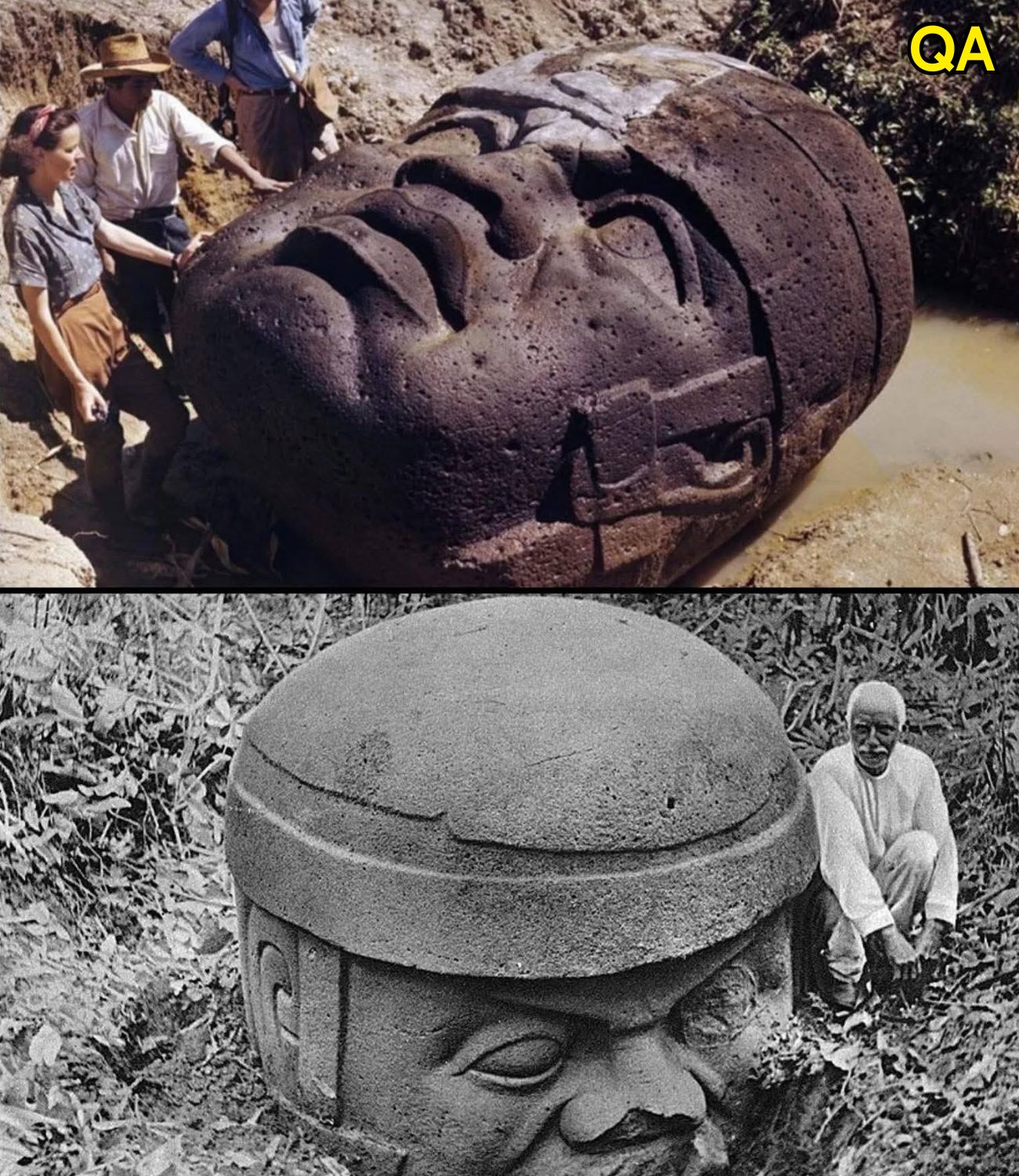
The Enigma of the Olmec Colossal Heads: Engineering Marvels of an Ancient Civilization
Long before the remarkable Maya or Aztec civilizations took center stage in the annals of Mesoamerican history, an enigmatic culture known as the Olmecs carved their indelible mark upon the landscape. Emerging around 1200 BCE, the ancient Olmecs achieved what can only be described as one of the most astonishing engineering feats of the ancient Americas: the transportation of colossal stone heads, some weighing up to 20 tons, across vast stretches of rugged jungle terrain. Stripped of the comforts and conveniences of modern machinery—wheels, horses, or even metal tools—they relied solely on the power of human ingenuity and sheer determination.
The massive basalt heads, discovered in the archaeological sites of San Lorenzo and La Venta, stand not just as cultural relics, but as monumental testaments to the Olmec civilization’s artistic and social prowess. Each head, meticulously carved with intricate facial features and adorned with elaborate headdresses, is believed to embody powerful Olmec rulers or esteemed warriors, a tradition dating back over 3,000 years. The craftsmanship displayed in these monumental sculptures prompts us to question not just how they were made, but, more importantly, how they were moved.
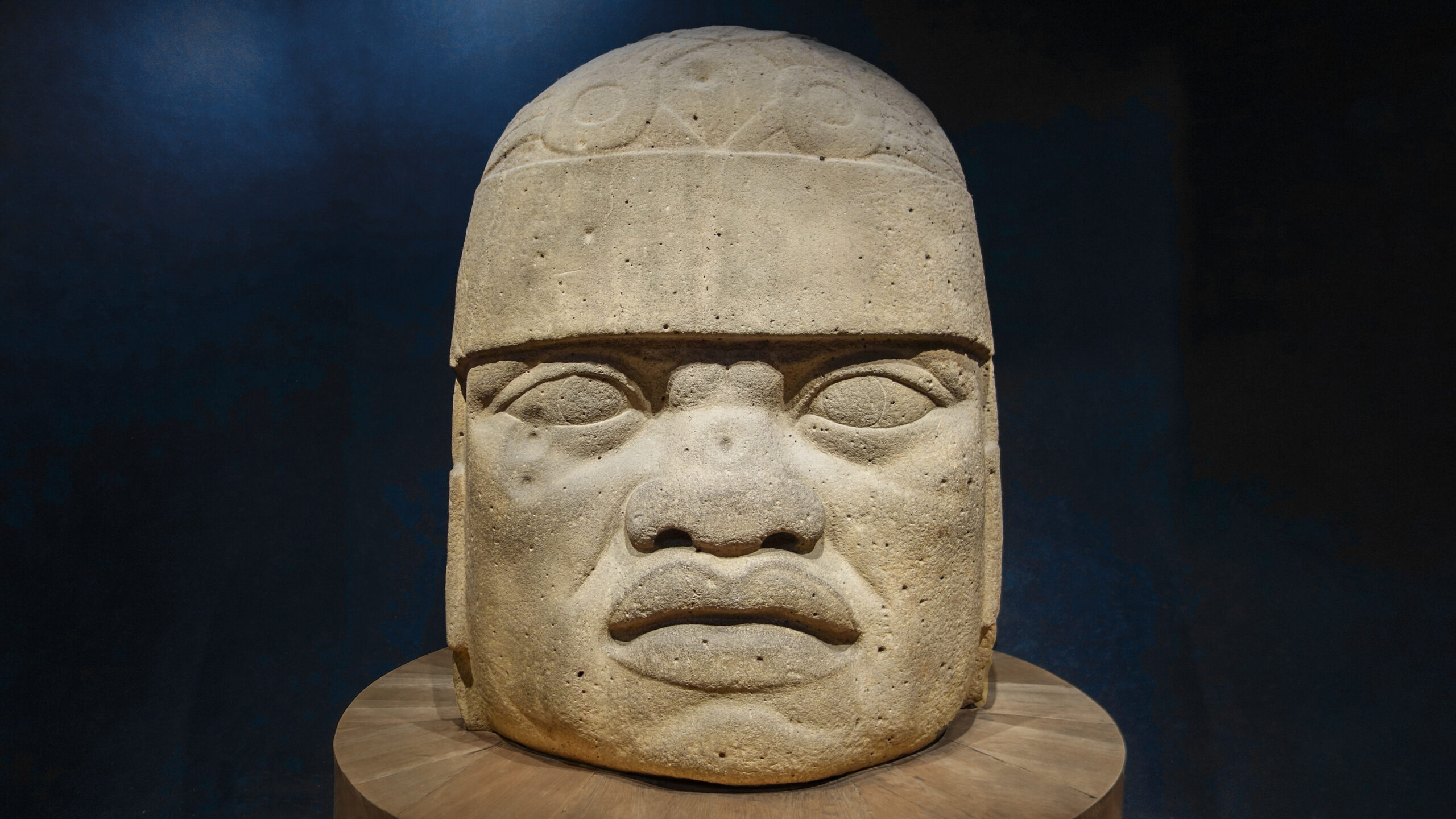
What continues to baffle researchers is the audacity of the Olmecs’ achievements in regards to the transportation of these enormous stones. To grasp the complexity of moving colossal basalt blocks, we must consider the terrain—the Tuxtla Mountains, where these blocks were quarried, lie dozens of kilometers away from their ceremonial sites. Here, the absence of pack animals and wheeled transport raises pertinent questions about the methods employed. It is believed that the Olmecs leveraged an ingenious combination of human labor, wooden rollers, sledges, ropes, and river rafts to navigate the challenges of swamps, rivers, and dense tropical forests.
Research suggests that as many as hundreds of workers may have rallied together for each transport operation, orchestrating their efforts with extraordinary precision and organization. Some theories even propose that the formidable heads were floated along river systems, allowing for a degree of ease in handling their sheer weight before being dragged overland to their final destinations. This level of cooperation and logistical planning hints at a social structure far more sophisticated than we typically associate with early Mesoamerican societies.
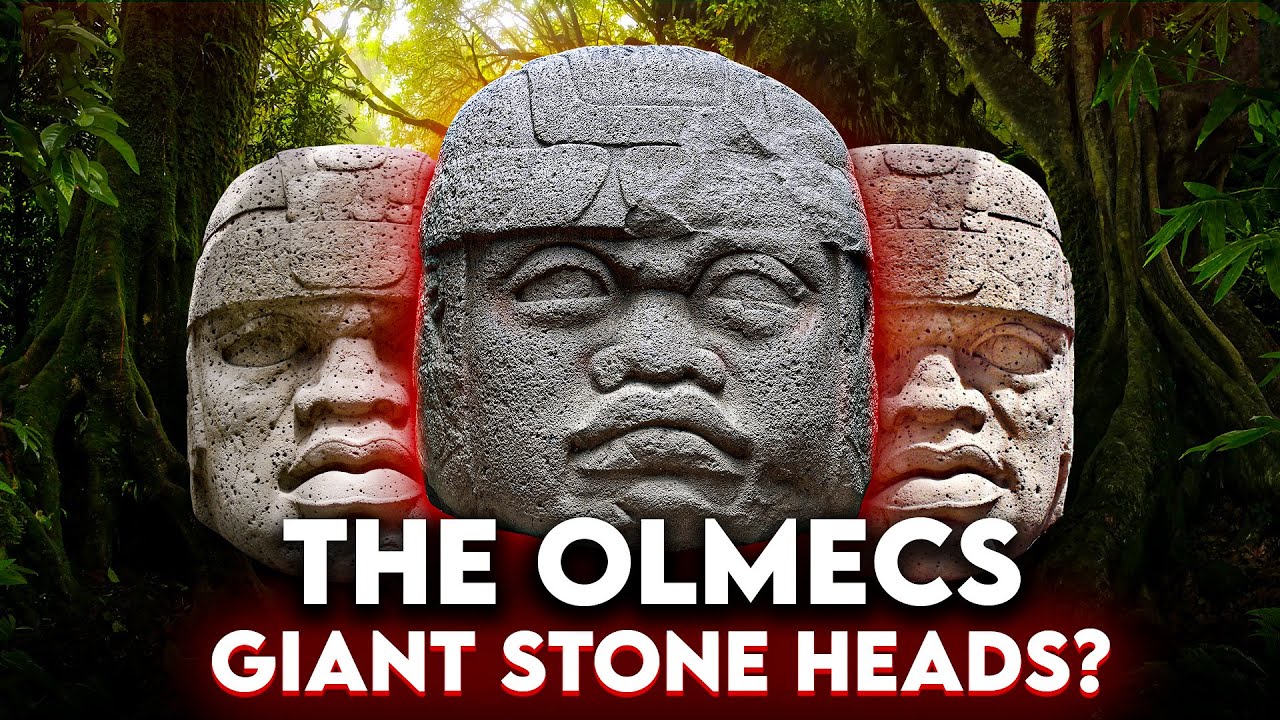
The feats of the Olmecs challenge our preconceived notions of what it meant to be “civilized” in ancient times—suggesting that, contrary to the label of “primitive,” they possessed advanced engineering skills and a shared cultural vision that transcended the limitations of their environment. The resulting masterpieces of art and engineering not only signify their technological capability but also symbolize the deep-rooted reverence they had for their leaders and spiritual beliefs.
As we reflect upon the gargantuan heads that grace the sacred grounds of the Olmec heartland, we are reminded that they remain not only as artifacts of aesthetic beauty but also as enduring representations of human ambition. These colossal stone figures stand in silent testament to a civilization capable of remarkable feats accomplished through perseverance, creativity, and an unwavering collective spirit.
The Cultural Significance of the Olmec Heads
To understand the full breadth of the Olmec civilization, we must delve deeper into the cultural significance of these massive stone heads. They are not mere decorations of the landscape; they carry profound meanings tied to identity and societal hierarchy. These artifacts likely served as markers of power or as monuments honoring significant events or figures within the Olmec society.
Moreover, the artistic style of each head varies, suggesting the possibility of individual patronage. Through their intricate designs and symbolic representations, these colossal heads allow scholars to piece together the hierarchy and political dynamics that existed within Olmec society. Analyzing the unique features of each sculpture can reveal insights into the ideals of beauty, authority, and leadership that were prevalent in that time.
Additionally, the natural world played an essential role in shaping the Olmec’s spiritual beliefs. The great stone heads, resting amidst a lush tropical backdrop, blur the line between the mortal and the divine, deeply embedding themselves in the cultural psyche. Perhaps they were not only crafted to honor human rulers but also to symbolize the connection between earth and sky, life and death, human and divine. This interplay of natural elements and human emotion indicates a sophisticated worldview, allowing us to appreciate the Olmec legacy as one rich in spirituality and imagination.
Today, the Olmec colossal heads echo the tales of these ancient peoples, inviting us to ponder the mysteries of bygone eras. Their presence enlivens the archaeological landscape, encourages further exploration, and serves as a reminder of our shared human heritage.
The Legacy of the Olmec Civilization
The legacy left by the Olmecs extends far beyond their colossal heads; they had a lasting influence on subsequent Mesoamerican cultures. Elements of Olmec art, religion, and social structure can be traced in the later civilizations of the Maya and Aztec. The craftsmanship and social organization exhibited by the Olmecs provided a foundation upon which these subsequent cultures could build their own complex societies.
As scholars continue to excavate and study Olmec sites, new discoveries shed light on their longstanding influence on cultural practices, religious beliefs, and artistic endeavors. Each unveiling contributes to a greater understanding of how ancient Mesoamerican civilizations evolved and interacted with one another, painting a rich tapestry of cultural continuity amid geographic and temporal divisions.
As we connect the dots between the past and our present, the mysterious allure of the Olmec colossal heads continues to inspire generations of researchers, artists, and enthusiasts alike. Their silent monologues invite us to reflect upon the ingenuity and spirit of a civilization once vibrant and thriving in the heart of the ancient Americas.
Conclusion
The colossal stone heads of the Olmec civilization serve as a remarkable gateway into understanding not only the achievements of this ancient culture but also the broader themes of human potential and creativity. They hold secrets of a time long past, intriguing us and unveiling stories of myths, power, and perseverance. As we explore their history, we are reminded that such wonders arise from the depths of human imagination and collective effort, urging us to ponder the enduring legacy we share with those who came before us.
Sources
- History: Olmec Civilization
- Encyclopaedia Britannica: Olmec
- Archaeology Magazine: Transporting Olmec Heads