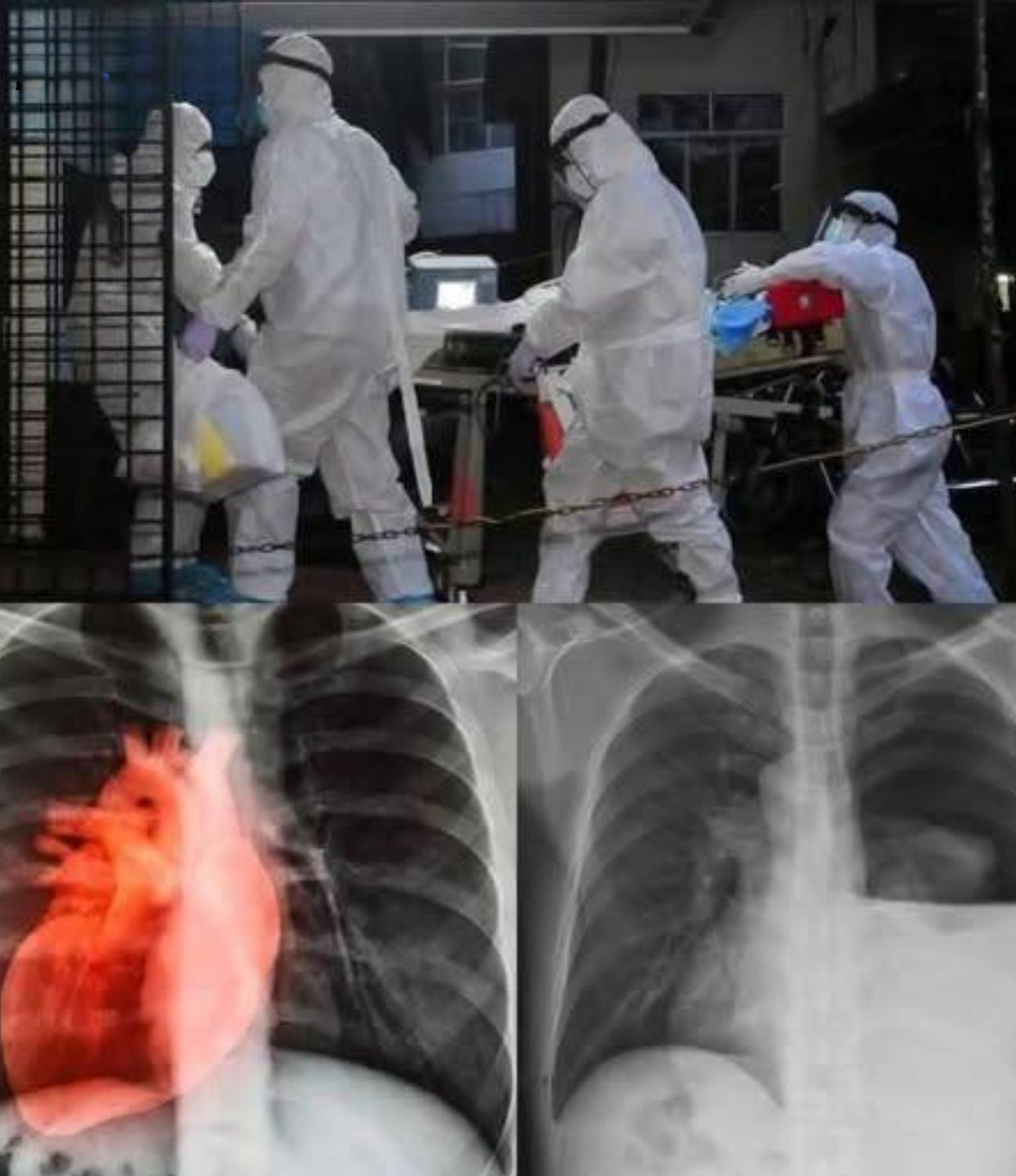
Since the introduction of mRNA COVID-19 vaccines, scientists around the world have continued studying both their effectiveness and their rare side effects. While health experts consistently emphasize that these vaccines remain highly beneficial for most people, researchers have also worked to better understand uncommon reactions reported in a small number of cases.
A recent study from Stanford Medicine has drawn attention after researchers identified possible biological mechanisms linked to rare cases of myocarditis following mRNA COVID-19 vaccination. Published in Science Translational Medicine, the research focuses on how specific immune system responses may contribute to inflammation in heart tissue under unusual circumstances.
Importantly, scientists and public health experts continue to stress that vaccine related myocarditis remains uncommon and that COVID-19 infection itself carries a significantly higher risk of heart related complications.
What Is Myocarditis?
Myocarditis refers to inflammation of the heart muscle. The condition can result from various causes, including viral infections, immune responses, and other inflammatory processes.
Symptoms may vary but can include:
Chest Discomfort
Some individuals experience chest tightness or pain.
Fatigue
Inflammation may temporarily affect heart performance and energy levels.
Shortness of Breath
Physical activity may feel more difficult during recovery.
Irregular Heartbeat
Some cases involve temporary rhythm changes.
Medical experts note that most reported myocarditis cases associated with vaccination have been mild and resolved with monitoring, rest, and supportive medical care.
Why Researchers Continue Studying Vaccine Safety
One of the strengths of modern public health systems is ongoing safety monitoring even after vaccines are approved and distributed.
Scientists continue studying rare side effects for several reasons:
Improving Patient Care
Understanding complications helps doctors identify and treat them earlier.
Refining Vaccine Technology
Research may lead to even safer future vaccines and therapies.
Building Public Transparency
Open scientific discussion helps strengthen public trust.
Advancing Personalized Medicine
Researchers hope future treatments may better account for individual immune differences.
Experts emphasize that identifying rare complications does not mean vaccines are unsafe overall. Instead, it reflects the scientific process of continually improving medical knowledge.
The Stanford Medicine Findings
The Stanford study reportedly focused on comparing immune responses between vaccinated individuals who developed myocarditis and those who did not.
Researchers identified two immune signaling proteins that appeared especially important:
CXCL10
A protein involved in directing immune cell activity during inflammation.
IFN-gamma
An immune molecule that helps regulate responses to infections and immune triggers.
Scientists believe these proteins may contribute to a chain reaction that increases inflammation in heart tissue in rare situations.
Understanding the Immune Response
The immune system relies on complex communication networks to defend the body against threats. Vaccines work by training immune cells to recognize harmful pathogens without causing the disease itself.
In the laboratory portion of the study, researchers recreated aspects of the immune response using human immune cells.
According to the findings:
Macrophages Became Highly Active
These immune cells produced elevated amounts of CXCL10 after exposure to vaccine related material.
T Cells Increased Inflammatory Signaling
Introduction of T cells reportedly led to higher IFN-gamma activity.
Inflammatory Cascades Developed
The interaction between these proteins appeared capable of amplifying inflammation under certain conditions.
Researchers stress that these responses appear uncommon and likely depend on individual biological factors still being investigated.
Animal and Laboratory Model Findings
The study also included experiments involving mice and laboratory grown heart tissue models known as cardiac spheroids.
Scientists reportedly observed:
Elevated Cardiac Troponin Levels
Troponin is a marker sometimes associated with heart muscle stress or injury.
Immune Cell Activity in Heart Tissue
Patterns resembled certain features observed in rare myocarditis cases.
Reduced Inflammation When Proteins Were Blocked
Experimental inhibitors targeting CXCL10 and IFN-gamma appeared to lessen inflammatory responses while maintaining broader immune activity.
Researchers caution that laboratory and animal findings do not automatically translate directly into clinical treatment recommendations for humans. Additional research and clinical trials would be necessary before any medical applications could be confirmed.
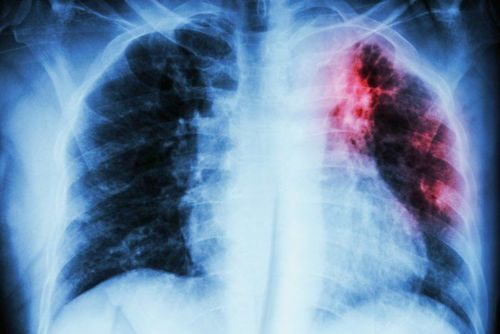
Why Younger Males Appear More Affected
Public health data has shown that rare myocarditis cases after mRNA vaccination have been reported more frequently among adolescent and young adult males.
Scientists continue investigating why this pattern appears more common in this demographic group.
Possible factors under study include:
Hormonal Influences
Hormones such as estrogen may affect inflammatory regulation differently across populations.
Immune System Variability
Immune responses naturally vary among individuals and age groups.
Genetic Factors
Researchers are exploring whether genetic predispositions may influence inflammatory reactions.
Experts emphasize that research into these differences remains ongoing and that conclusions are still evolving.
Exploring Potential Protective Compounds
Another part of the study examined whether anti inflammatory compounds could potentially reduce immune related heart inflammation.
Researchers investigated genistein, a naturally occurring compound found in soybeans.
Laboratory findings suggested genistein may have helped reduce certain inflammatory effects in experimental settings. However, scientists strongly cautioned against interpreting these findings as medical guidance for self treatment or prevention.
Key points emphasized by researchers include:
Experimental Conditions Were Highly Controlled
The compounds used were concentrated and purified far beyond normal dietary intake.
Human Trials Are Still Needed
Laboratory findings require extensive testing before clinical recommendations can be made.
No Current Public Health Recommendations Have Changed
Vaccination guidance remains based on large scale safety and effectiveness data.
Medical experts continue advising people to consult healthcare professionals regarding vaccine related questions or personal medical concerns.
The Bigger Picture of mRNA Technology
Many researchers view mRNA technology as one of the most significant medical advances in recent decades.
Beyond COVID-19 vaccines, scientists are exploring mRNA applications in areas such as:
Cancer Therapies
Personalized immune treatments may target specific tumors.
Infectious Disease Prevention
Researchers are studying vaccines for multiple viral illnesses.
Rare Disease Treatments
mRNA approaches may help address certain genetic conditions.
Future Pandemic Preparedness
Rapid vaccine development may improve responses to emerging outbreaks.
Understanding rare immune reactions may help refine these technologies further while maintaining their benefits.
Balancing Risks and Benefits
Public health experts consistently emphasize the importance of evaluating medical interventions within a broader context of overall risk.
Large scale studies have shown that COVID-19 infection itself can increase risks of:
Heart Inflammation
Viral infection may trigger myocarditis more frequently than vaccination.
Respiratory Complications
COVID-19 can affect lung function and recovery.
Long Term Symptoms
Some individuals experience prolonged health effects after infection.
Hospitalization Risk
Vaccination significantly reduced severe illness during major outbreaks.
Health organizations worldwide continue concluding that the benefits of vaccination outweigh the risks for most populations, while still acknowledging the importance of monitoring and researching rare adverse events.
Why Transparency Matters in Medical Research
Open scientific communication plays a critical role in public health.
Researchers, physicians, and regulatory agencies continue emphasizing that transparency around rare complications helps:
Improve Trust
Public confidence grows when information is discussed openly.
Strengthen Medical Knowledge
Continuous research improves treatment and prevention strategies.
Encourage Better Monitoring
Healthcare providers can recognize symptoms earlier.
Advance Safer Technologies
Future therapies may become even more targeted and personalized.
Scientific progress often depends on investigating not only successes but also rare complications and unexpected outcomes.
Conclusion
The recent findings from Stanford Medicine contribute to ongoing efforts to better understand rare cases of myocarditis associated with mRNA COVID-19 vaccines. By identifying possible immune pathways involving CXCL10 and IFN-gamma, researchers hope to improve understanding of why uncommon inflammatory reactions occur in certain individuals.
At the same time, health experts continue emphasizing that vaccine related myocarditis remains rare and that COVID-19 infection itself carries greater overall risks for heart complications in many cases.
Rather than undermining confidence in vaccination, studies like this reflect the scientific community’s commitment to transparency, patient safety, and continuous improvement. Ongoing research may eventually help refine future mRNA therapies while preserving their significant medical benefits.
Ultimately, the study highlights an important aspect of modern medicine: scientific understanding continues evolving through careful investigation, open discussion, and the pursuit of safer, more effective healthcare solutions.

Sources
Stanford Medicine Official Website
Science Translational Medicine