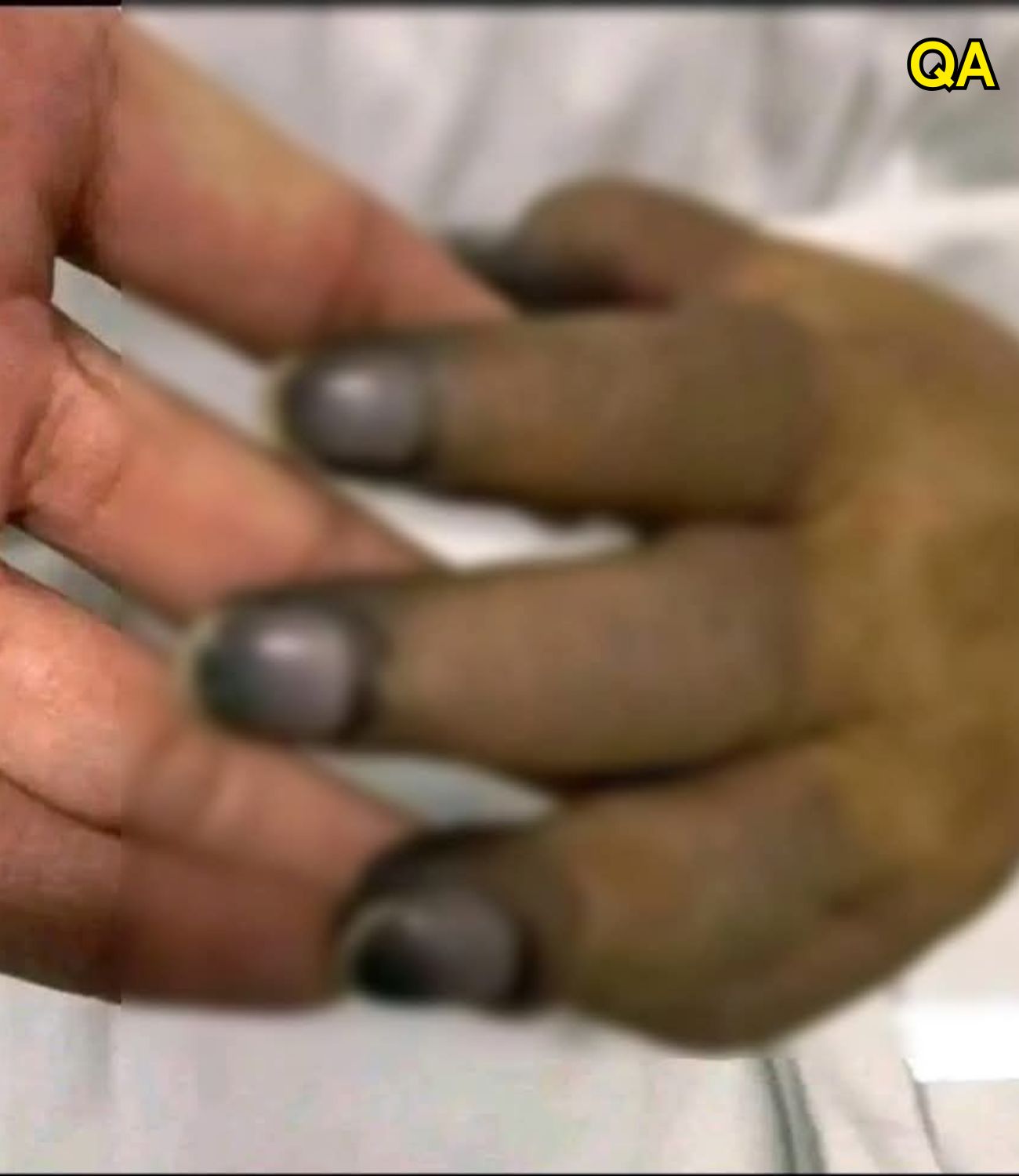
Nail care and enhancement have become integral parts of personal grooming and fashion. However, the application and maintenance of artificial nails, nail polishes, and various nail products can carry health implications that deserve our attention and understanding. This article delves into the potential consequences associated with nail product use, providing a thorough overview suitable for the general public.

The Evolution of Nail Care Products
Nail enhancements and polishes date back several millennia, with historical evidence indicating that ancient civilizations such as the Egyptians used natural pigments to color their nails. Over time, the nail care industry has evolved, resulting in an extensive array of products marketed for aesthetic appeal and durability. These products now incorporate a variety of chemical compounds, which are essential to achieving the desired effects but may pose risks to users’ health. Understanding these products is essential for making informed choices about nail care.
Common Ingredients in Nail Products
Nail products often contain a mix of compounds that serve various functions—from color and texture to drying speed and adhesion. Some of the typical components include:
- Formaldehyde: Used as a hardening agent in many nail polishes, it can cause allergic reactions and respiratory issues.
- Toluene: A solvent that helps nail polish apply smoothly, toluene can affect the central nervous system and has been linked to reproductive harm.
- Phthalates: Often included to provide flexibility, these compounds may disrupt hormonal systems.
- Acetone: A common nail polish remover that can be harsh on nails and skin, leading to dryness.
Being aware of these ingredients allows consumers to select safer alternatives, particularly those labeled as “3-free” or “5-free,” indicating a lack of some of these harmful substances.
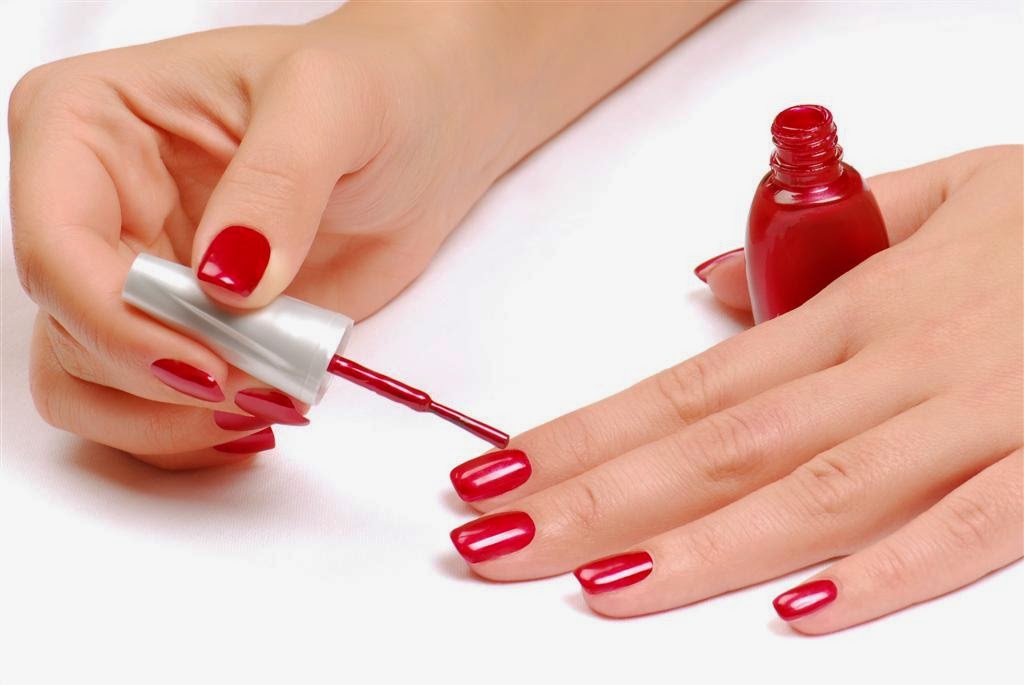
Health Risks of Nail Product Usage
Understanding the consequences of nail product use is crucial for both immediate cosmetic results and long-term health. Some potential health risks include:
1. Allergic Reactions and Sensitivities
Many individuals may experience allergic reactions to certain chemicals found in nail products. Symptoms can vary from mild skin irritation to more severe reactions that might require medical attention. Common symptoms include
- Redness or rash on the skin
- Itching and swelling
- Blistering
2. Respiratory Concerns
Inhalation of fumes from nail products can lead to respiratory issues, particularly in poorly ventilated areas. Symptoms may manifest as:
- Headaches
- Dizziness
- Breathing difficulties
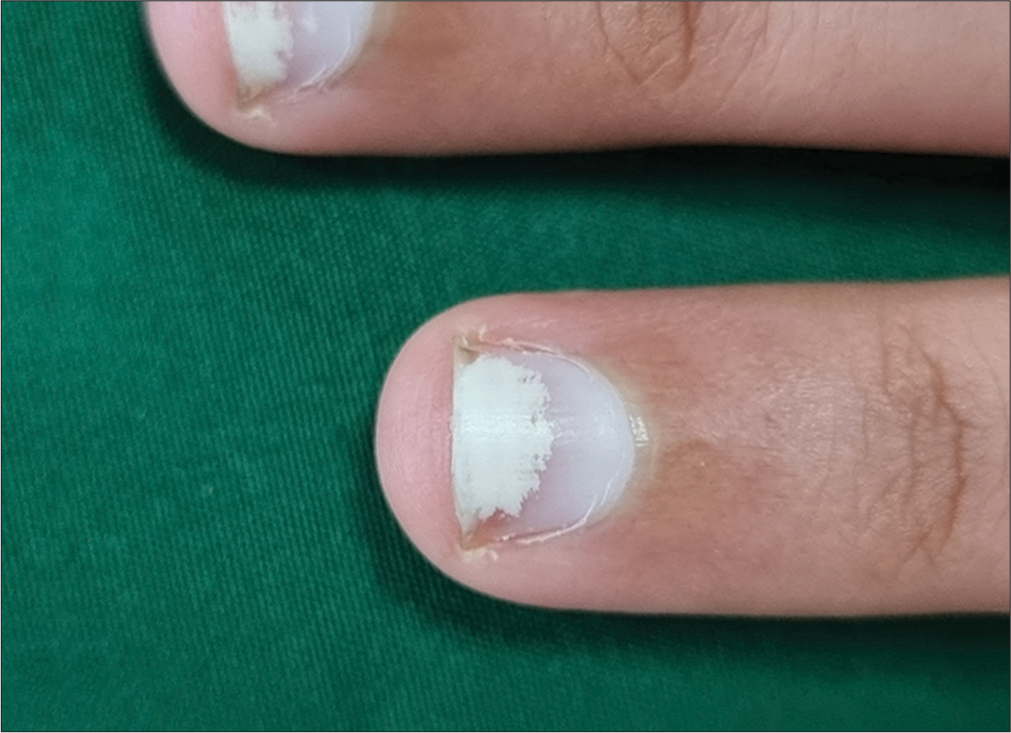
3. Skin and Nail Damage
Regular use of artificial nails and harsh removers can weaken natural nails over time. They can lead to issues such as:
- Nail splitting or chipping
- Thin, fragile nails
- Infections around the nail bed
4. Long-term Health Risks
Some chemicals used in nail products are potential endocrine disruptors, potentially affecting hormonal balance and reproductive health. Ongoing exposure may increase the risk of other health complications as well.
Preventive Measures and Recommendations
To mitigate the risks associated with nail product use, consider the following recommendations:
- Choose Safer Products: Opt for brands that are free from common harmful chemicals and come with a certification of safety.
- Ensure Proper Ventilation: Use nail products in well-ventilated areas to reduce inhalation risks.
- Practice Good Nail Hygiene: Regularly moisturize your hands and nails to keep them healthy and reduce brittleness.
- Limit Usage: Give your nails a break between applications to allow for natural nail recovery.
- Educate Yourself: Stay informed about new research and guidelines regarding nail products and their potential risks.
Consulting Professionals
It is advisable to consult with healthcare professionals if you have concerns about specific products or if you experience adverse effects following product use. Dermatologists and allergists can offer tailored advice based on individual health profiles and sensitivities.
Conclusion
While nail products can enhance aesthetic appeal, it is crucial to remain vigilant regarding their implications for health. By being informed about the ingredients, potential risks, and effective preventive measures, users can enjoy nail aesthetics while safeguarding their well-being.
Sources
- World Health Organization (WHO)
- Mayo Clinic
- Centers for Disease Control and Prevention (CDC)
- National Health Service (NHS)
- WebMD