
It started with a few posts—brief, uncertain, and quickly shared. Within hours, speculation spread across social media platforms, drawing attention from millions. The subject was Donald Trump, a public figure whose visibility often amplifies even the smallest updates. But as the conversation grew, so did confusion, highlighting a familiar pattern in today’s information landscape: how quickly rumors can outpace verified facts.
How the Rumor Spread
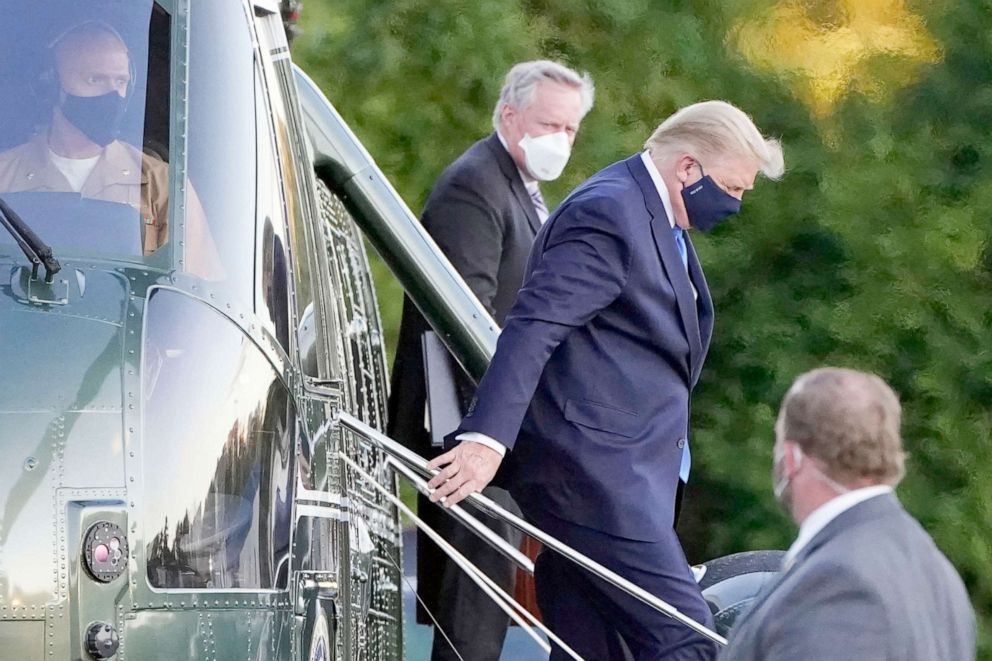
The initial claims suggested a sudden change involving Donald Trump’s health, with some posts alleging that he had been taken to Walter Reed National Military Medical Center. These messages circulated rapidly across platforms like X and Facebook, where speed often takes precedence over verification.
As more users reshared the claims, the information began to take on the appearance of credibility, despite lacking confirmation. This phenomenon—where repetition creates perceived truth—is a well-documented effect in digital communication.
Official Response and Clarification
Shortly after the rumors gained traction, officials issued statements to address the situation. They clarified that the reports were inaccurate and confirmed that there had been no medical emergency. According to these statements, Donald Trump remained at his residence and continued his regular activities.
Such responses are crucial in countering misinformation, but they often arrive after rumors have already reached a wide audience. This delay can make it challenging to fully correct public perception once uncertainty has taken hold.
Why Health Rumors Spread So Quickly
Health-related topics tend to generate strong emotional reactions, especially when they involve well-known individuals. Several factors contribute to the rapid spread of such rumors:
Public Interest in High-Profile Figures
Public figures naturally attract attention, and any perceived change in their routine can spark speculation.
The Speed of Social Media
Platforms are designed for instant sharing, allowing information—accurate or not—to travel quickly across networks.
Psychological Factors
People are more likely to engage with content that feels urgent or surprising. This can lead to sharing before verifying.
Lack of Source Verification
In many cases, users rely on reposts rather than original, credible sources, increasing the risk of misinformation spreading.
The Role of Digital Platforms
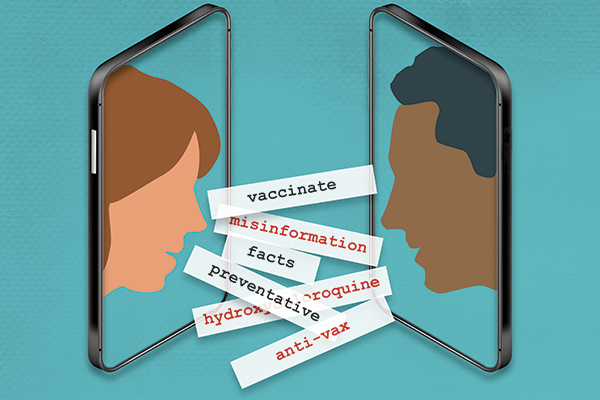
Social media platforms have introduced tools to flag or limit misleading content, but challenges remain. Algorithms often prioritize engagement, which can inadvertently amplify unverified claims.
At the same time, platforms like X and Facebook have become essential channels for real-time updates, making them both a source of information and a space where misinformation can emerge.
This dual role underscores the importance of digital literacy—helping users distinguish between credible updates and unsupported claims.
The Importance of Credible Sources
Events like this highlight the need to rely on verified information. Official statements, reputable news organizations, and direct communications from trusted institutions remain the most reliable sources.
Waiting for confirmation may seem slow in a fast-moving environment, but it significantly reduces the risk of misunderstanding. In the long run, accuracy builds trust, while speculation can erode it.
Lessons for the Public
This incident offers several practical takeaways for navigating information online:
First, pause before sharing. A moment of reflection can prevent the spread of unverified claims.
Second, check the source. Reliable outlets typically provide clear attribution and evidence.
Third, be aware of emotional reactions. Content designed to provoke urgency or concern should be approached carefully.
Finally, follow updates from official channels, especially when the topic involves public figures or sensitive issues.

Media Responsibility and Ethical Reporting
Journalists and content creators also play a critical role. Responsible reporting involves verifying facts, avoiding sensational language, and clearly distinguishing between confirmed information and speculation.
In a competitive media environment, speed is often prioritized, but accuracy remains the foundation of credibility. Ethical standards help ensure that coverage informs rather than misleads.
A Broader Reflection on Information in the Digital Era
The rapid spread of rumors about Donald Trump’s health is not an isolated ঘটনা. It reflects a broader shift in how information is created, shared, and consumed. The digital age has made communication more immediate and accessible, but it has also introduced new challenges in verifying truth.
Human curiosity plays a central role in this process. People naturally seek updates, explanations, and insights—especially when the topic feels important or unexpected. This curiosity drives engagement, but it also requires responsibility.
Conclusion: Balancing Curiosity with Caution
In a world where information moves at unprecedented speed, the ability to pause, question, and verify has never been more important. The recent rumors surrounding Donald Trump serve as a reminder that not everything shared widely is accurate.
By approaching information thoughtfully and relying on credible sources, individuals can contribute to a more informed and balanced digital environment. Curiosity is a powerful force—but when paired with critical thinking, it becomes a tool for understanding rather than confusion.
Sources
Official public statements from representatives of Donald Trump
Encyclopaedia Britannica: Media and communication
Pew Research Center studies on social media and misinformation
Reuters and Associated Press guidelines on verification and reporting