
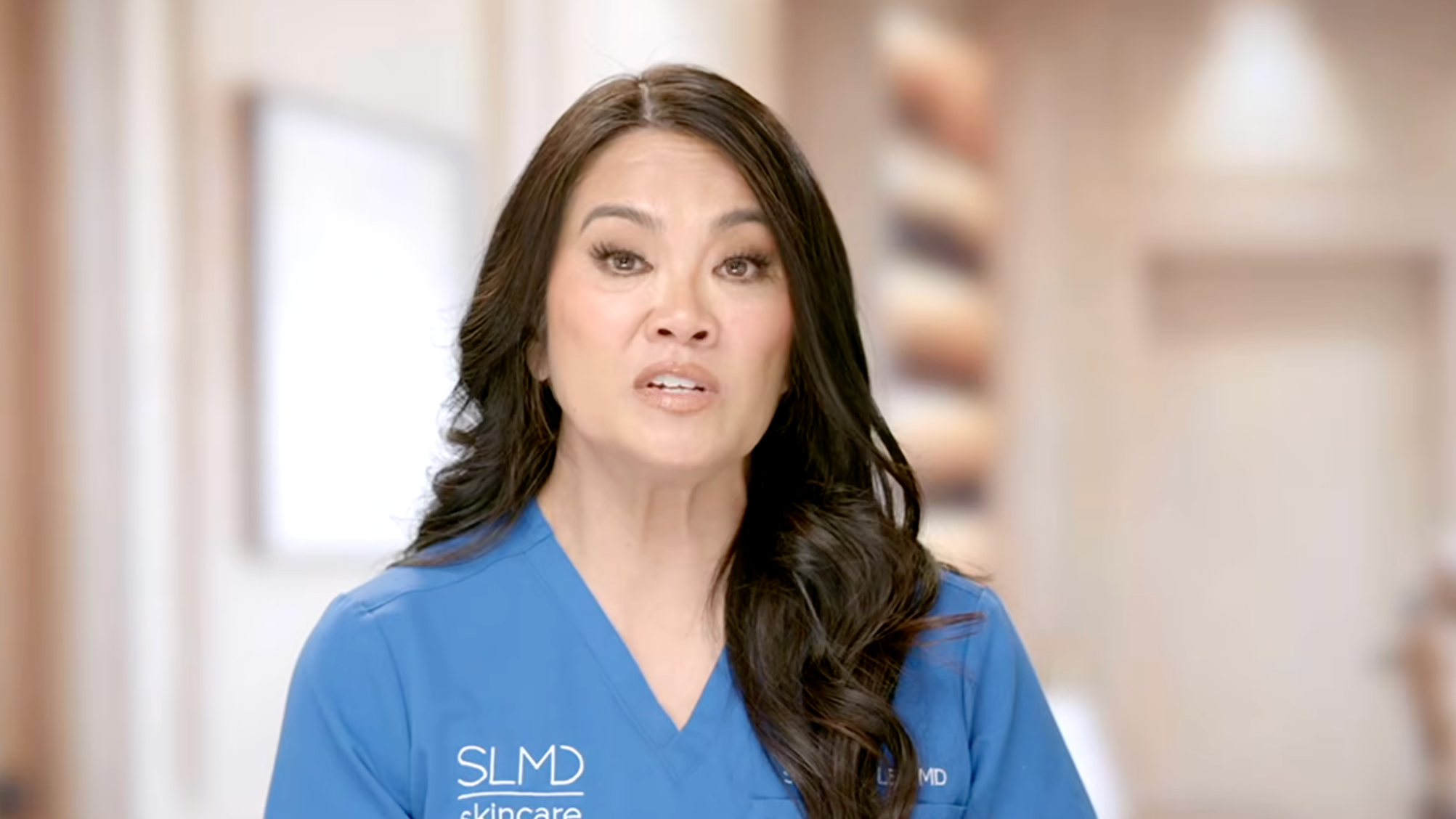
When Sandra Lee, widely recognized from the TV show Dr. Pimple Popper, shared her experience of a sudden health emergency during filming, it quickly captured public attention. What began as a seemingly minor discomfort turned into a serious medical situation that required immediate care and weeks of recovery.
Her story is not just about a personal challenge. It highlights how easily early warning signs can be overlooked and why understanding stroke symptoms is essential for everyone. By exploring both the medical science and common misconceptions, we can better understand how to respond effectively in similar situations.

What Is a Stroke?
A stroke occurs when blood flow to part of the brain is interrupted, preventing oxygen and nutrients from reaching brain cells. This disruption can lead to rapid changes in brain function.
One of the most common types is the Ischemic Stroke, which happens when a blockage restricts blood flow. This type accounts for the majority of stroke cases worldwide.
From a scientific perspective, the brain relies on a constant supply of oxygen. Even a brief interruption can affect how the body moves, speaks, or processes information. This is why recognizing symptoms early is critical.
Early Symptoms: Subtle but Significant
In many cases, stroke symptoms begin suddenly but may feel mild at first. In Sandra Lee’s experience, the initial signs were easy to dismiss.
Common early indicators include:
- Sudden weakness, especially on one side of the body
- Difficulty speaking or forming words clearly
- Trouble walking or maintaining balance
- Unusual sensations such as numbness or discomfort
- A general feeling that something is not right
These symptoms may not always appear dramatic, which is why they are sometimes ignored. However, even subtle changes can signal a serious issue.

The Science Behind Stroke Symptoms
Stroke symptoms occur because different areas of the brain control different functions. When blood flow is disrupted, the affected area cannot perform its role properly.
For example:
- The left side of the brain often controls language and speech
- The right side may influence spatial awareness and coordination
- Motor regions control movement and strength
If a stroke affects one of these areas, the corresponding function may be impaired. This explains why symptoms such as slurred speech or one-sided weakness are common.
Understanding this connection helps explain why symptoms can vary from person to person.
Why Symptoms Are Sometimes Misinterpreted
A common myth is that strokes always present with dramatic, unmistakable signs. In reality, early symptoms can resemble less serious conditions.
For instance, sensations like fatigue, discomfort, or temporary imbalance may be attributed to stress, dehydration, or other everyday factors. This can delay seeking medical attention.
Psychologically, people tend to minimize unusual symptoms, especially when they occur during routine activities. This natural response can make it harder to recognize when immediate care is needed.

Risk Factors: What Increases the Likelihood of Stroke?
Medical research has identified several factors that can increase the risk of stroke. These include:
- High blood pressure
- Elevated cholesterol levels
- Chronic stress
- Lack of physical activity
- Certain lifestyle habits
Age can also play a role, but strokes can occur in adults of various age groups. This is why awareness is important for everyone, not just those considered high-risk.
Sandra Lee’s experience underscores the importance of monitoring overall health, even for individuals with medical knowledge.
The Importance of Immediate Medical Care
Time is one of the most critical factors in stroke treatment. The sooner medical care is provided, the better the chances of minimizing long-term effects.
Healthcare professionals often emphasize recognizing symptoms quickly and seeking help without delay. Early intervention can restore blood flow and reduce the impact on brain function.
This is why many awareness campaigns focus on simple ways to remember stroke signs, encouraging people to act quickly when something feels wrong.
Recovery and Rehabilitation
Recovery after a stroke varies depending on the severity and the area of the brain affected. Many individuals undergo rehabilitation to regain strength and coordination.
Common recovery approaches include:
- Physical therapy to improve movement
- Speech therapy to address communication challenges
- Occupational therapy to support daily activities
In Sandra Lee’s case, taking time away from work allowed her to focus on regaining motor skills and overall stability. Her progress highlights the body’s ability to adapt and recover with proper care.
Emotional and Psychological Impact
Beyond physical recovery, strokes can also affect emotional well-being. Experiencing a sudden health event can lead to stress, चिंता, or a heightened awareness of personal health.
It is common for individuals to reflect on lifestyle choices and make adjustments after such an experience. Support from healthcare professionals, family, and community plays an important role in this process.
Acknowledging the emotional aspect of recovery is essential for a balanced approach to health.
Raising Awareness Through Personal Stories
Public figures sharing their experiences can have a powerful impact on awareness. By speaking openly, Sandra Lee has helped bring attention to the importance of recognizing stroke symptoms and seeking timely care.
Her story also highlights how health issues can occur unexpectedly, reinforcing the need for preparedness and knowledge.
In some communities, conversations about stroke and related conditions are limited. Increased awareness can encourage more open discussions and proactive health practices.
Myth vs Reality: Understanding Stroke Better
Myth: Strokes Only Affect Older Adults
Reality: While risk increases with age, strokes can occur in younger individuals as well.
Myth: Symptoms Are Always Severe
Reality: Early signs can be subtle and easy to overlook.
Myth: Recovery Is Not Possible
Reality: Many people recover significantly with proper treatment and rehabilitation.
Myth: Medical Knowledge Prevents Health Issues
Reality: Even healthcare professionals can experience unexpected conditions, as awareness does not eliminate risk.
Prevention: Steps Toward Better Health
While not all strokes can be prevented, certain steps may help reduce risk:
- Regular health check-ups
- Monitoring blood pressure and cholesterol
- Maintaining a balanced lifestyle
- Managing stress effectively
- Staying physically active
These measures contribute to overall well-being and support long-term health.
Reflection: Why Stories Like This Matter
Moments like Sandra Lee’s health scare resonate because they reveal how quickly life can change. They remind us that health is not something to take for granted and that awareness plays a crucial role in prevention and response.
Human curiosity leads us to explore these stories, not just for information but for understanding. By learning from real experiences, we become better equipped to recognize signs, support others, and make informed decisions.
Conclusion: Awareness Saves Time and Health
Sandra Lee’s experience serves as a valuable reminder that recognizing symptoms early can make a significant difference. Stroke is a serious condition, but knowledge, timely action, and proper care can greatly improve outcomes.
By combining scientific understanding with real-life examples, we gain a clearer perspective on how to approach health challenges. Awareness is not just about information—it is about readiness.
In a world where daily life often feels routine, staying informed ensures that we are prepared when something unexpected happens.
Sources
Centers for Disease Control and Prevention. Stroke Overview and Prevention.
World Health Organization. Cardiovascular Diseases and Stroke.
American Stroke Association. Understanding Stroke Symptoms and Treatment.
National Institutes of Health. Brain Function and Stroke Research.
Mayo Clinic. Stroke: Symptoms and Causes.
Harvard Medical School. Stroke Recovery and Rehabilitation Research.