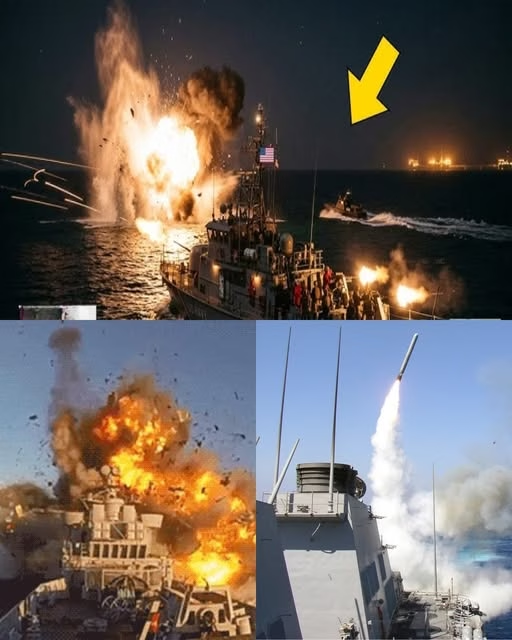
At sunrise, the waters of the Strait of Hormuz often appear calm. Oil tankers move steadily across the horizon, carrying energy supplies that power cities thousands of miles away. For decades, this narrow passage has quietly supported global trade and economic stability.
But in early 2026, that sense of calm has been increasingly challenged.
Rising tensions between the United States and Iran have brought renewed attention to this strategic corridor. Military movements, political signals, and economic uncertainty have all contributed to a situation that is both complex and closely watched around the world.
The Strait of Hormuz: Why It Matters
A Lifeline for Global Energy
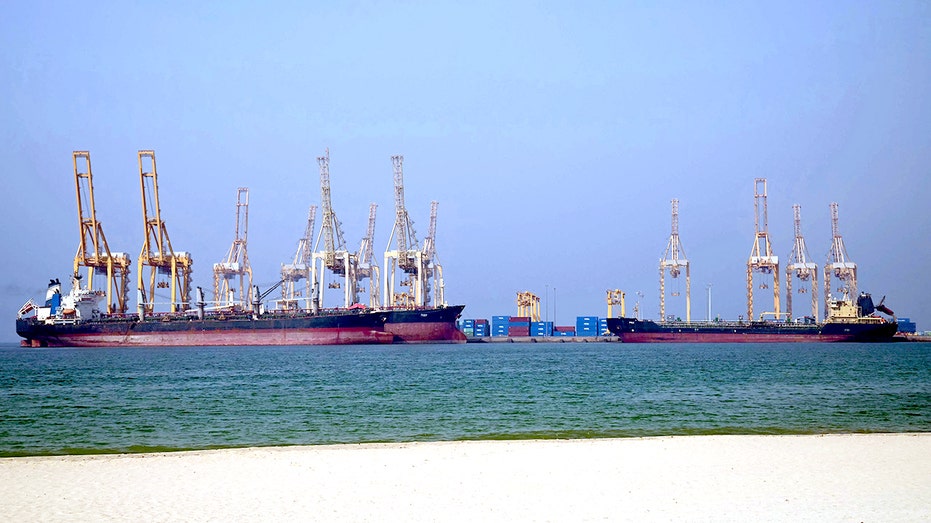
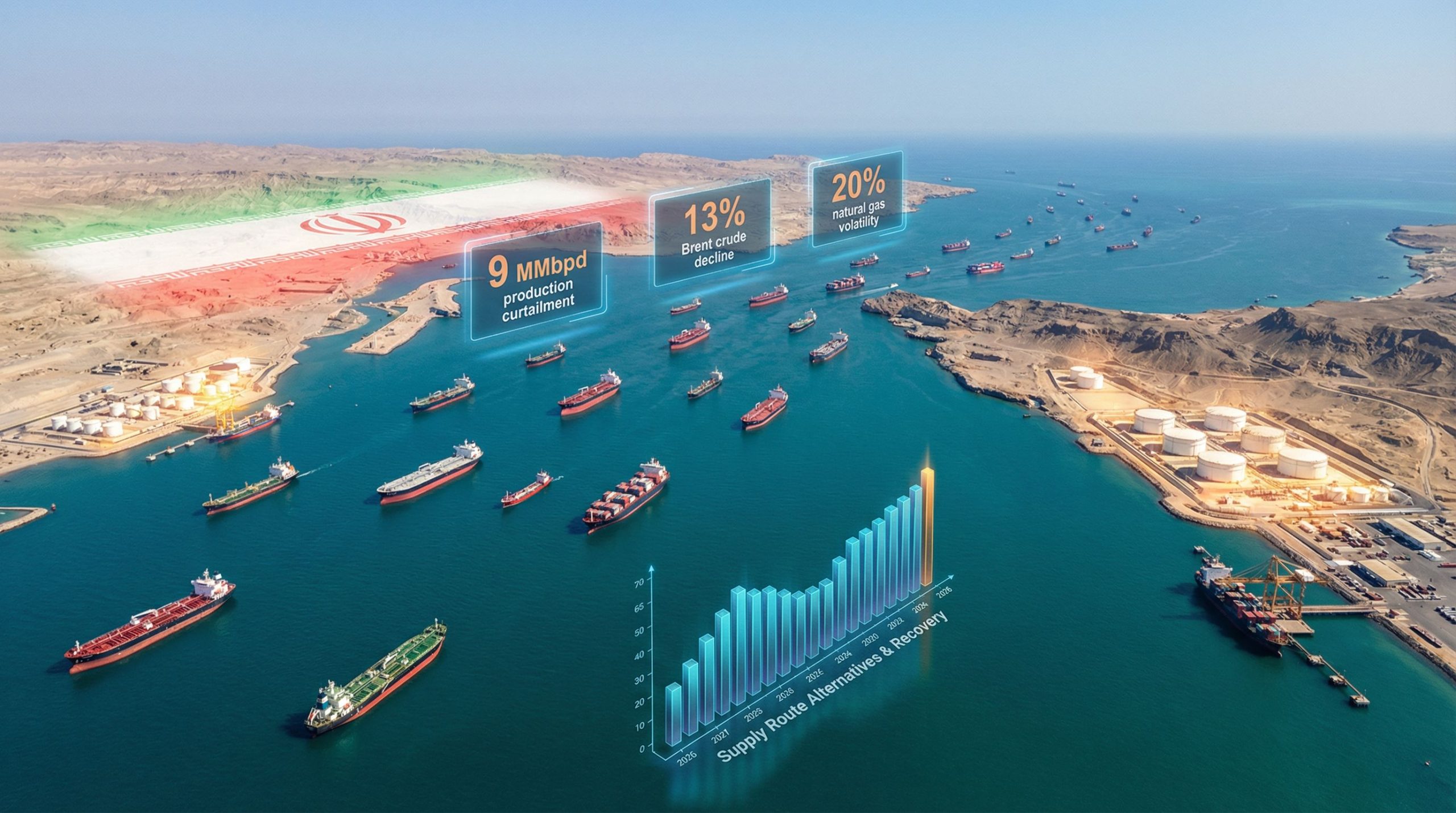
The Strait of Hormuz is one of the most critical maritime routes in the world. A significant portion of global oil and gas shipments pass through this narrow channel every day.
Because of this, even small disruptions can create ripple effects across global markets. When stability is threatened, countries and industries begin to react quickly. Energy prices may fluctuate, shipping routes can shift, and governments often reassess their strategies.
This makes the region not just a geographic location, but a central point in global economic stability.
Recent Developments in 2026
Rising Tensions and Strategic Moves
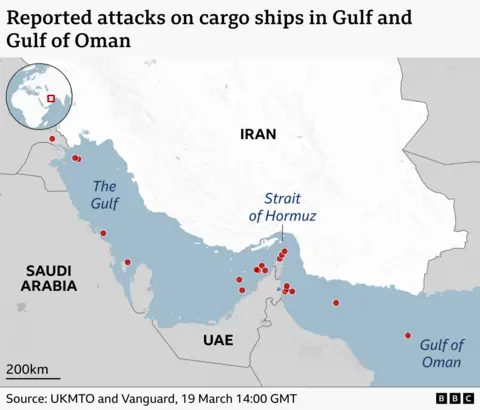
In recent months, tensions between the United States and Iran have intensified. Reports and analysis suggest increased military activity in and around the Strait of Hormuz, alongside diplomatic challenges that remain unresolved.
Both nations have taken actions that reflect caution as well as strategic signaling. These actions are often interpreted as efforts to assert influence while avoiding direct confrontation.
Observers note that such developments are not entirely new, but the frequency and visibility of these actions have increased, drawing greater international attention.

Military Presence and Strategic Balance
Naval Operations and Preparedness
The presence of naval forces in the region has become more pronounced. Ships like the USS Farragut represent advanced capabilities designed to monitor and respond to potential threats.
Modern defense systems, including the Aegis Combat System, allow vessels to detect and track objects across vast distances. These systems are part of a broader network aimed at maintaining situational awareness and readiness.
While such technologies are highly advanced, their presence also reflects the seriousness with which both sides view the region.
Diplomacy Under Pressure
Negotiations and Uncertainty
Despite heightened tensions, diplomatic efforts continue. Discussions between the United States and Iran have taken place through various channels, often involving international intermediaries.
These talks are complex and influenced by multiple factors, including regional alliances, economic considerations, and historical disagreements.
Progress has been limited, and outcomes remain uncertain. However, the continuation of dialogue suggests that both sides recognize the importance of avoiding escalation.
Global Reactions and Economic Impact
Markets and Energy Stability
The situation in the Strait of Hormuz has had noticeable effects on global markets. Energy prices have shown sensitivity to developments in the region, reflecting concerns about supply stability.
Countries that depend heavily on imported energy are particularly attentive to these changes. Some have begun exploring alternative routes and strategies to ensure continuity.
This highlights how interconnected the modern world has become. Events in one region can influence economies and daily life across continents.
International Calls for Stability
Organizations like the United Nations and various global leaders have emphasized the importance of maintaining stability.
Calls for restraint, dialogue, and cooperation have been consistent themes. The goal is to prevent misunderstandings and encourage peaceful resolution of disputes.
These efforts reflect a shared understanding that prolonged instability in the region would have widespread consequences.
Historical Context: A Longstanding Relationship
Decades of Tension
The relationship between the United States and Iran has been shaped by decades of political and strategic differences.
One key moment was the Joint Comprehensive Plan of Action, which aimed to address concerns about nuclear development. Changes in policy and subsequent disagreements have contributed to the current landscape.
Understanding this history is essential for interpreting present-day events. It provides context for why tensions persist and why resolution can be challenging.
Myth vs Reality in Public Perception
Is Conflict Inevitable?
Public narratives often suggest that rising tensions will inevitably lead to large-scale conflict. However, experts caution against such assumptions.
In reality, both sides often seek to balance strength with restraint. Actions may be intended as signals rather than steps toward escalation.
It is important to view developments with a balanced perspective, recognizing both the risks and the ongoing efforts to manage them.
The Science of Modern Defense Systems
Technology and Its Role
Modern military systems rely on advanced technology to monitor and respond to potential threats. These systems integrate radar, data analysis, and rapid response mechanisms.
While highly capable, they are part of a broader strategy that includes human decision-making and international coordination.
Technology alone does not determine outcomes. It works alongside policy, communication, and strategic planning.
The Human Element
Decisions Behind the Headlines
Behind every movement and statement are individuals making decisions in complex and often uncertain situations.
Leaders must weigh immediate concerns against long-term consequences. Military personnel operate with precision and discipline, while diplomats navigate sensitive negotiations.
This human dimension adds depth to the situation, reminding us that global events are shaped by choices as much as by systems.
Looking Ahead
Possible Paths Forward
The future of U.S.–Iran relations remains open. Several possibilities exist, including renewed agreements, continued tension, or gradual stabilization.
Much will depend on communication, mutual understanding, and the willingness to prioritize long-term stability over short-term gains.
The situation is dynamic, and developments can evolve quickly.
A Reflection on Human Curiosity
Why does a narrow waterway thousands of miles away capture so much global attention?
The answer lies in curiosity.
People are naturally drawn to stories that reveal how interconnected the world has become. A single region can influence economies, politics, and daily life on a global scale.
Curiosity encourages us to look deeper, to understand the forces at play, and to question assumptions. It transforms headlines into learning opportunities.
In a world shaped by rapid change, this curiosity becomes essential. It helps us navigate complexity, stay informed, and appreciate the delicate balance that sustains global stability.