It often starts with something subtle. You notice a darker patch of skin on your neck or under your arms. At first, it seems harmless—perhaps a bit of irritation or something that just needs a good wash.
But days turn into weeks, and the patch doesn’t fade. Instead, it becomes slightly thicker, maybe a bit more noticeable. There’s no discomfort, no itching, no pain. Just a quiet change that doesn’t go away.
For many people, this moment marks the beginning of curiosity—and sometimes concern. What could this mean?
In some cases, these changes may be linked to a condition known as Acanthosis Nigricans, a visible skin pattern that can reflect underlying processes happening inside the body.
Understanding Acanthosis Nigricans
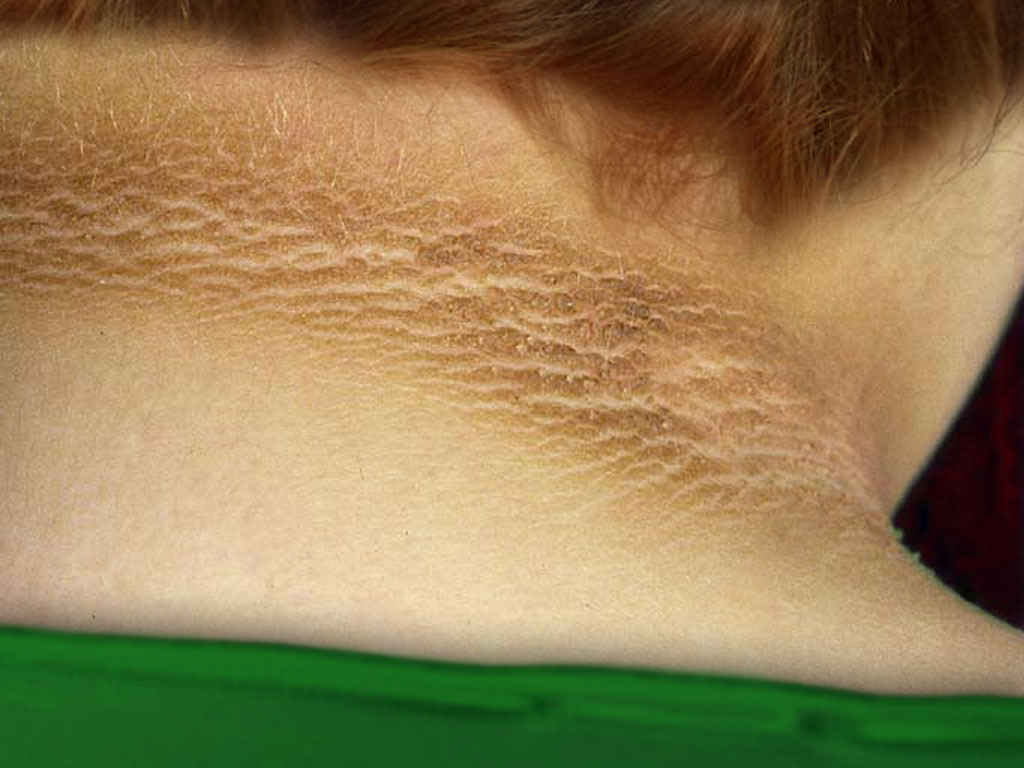
Acanthosis Nigricans is characterized by darkened, thickened, and velvety patches of skin. These areas most commonly appear in body folds such as:
The back or sides of the neck
Underarms
Groin area
Elbows or knees in some cases
One important thing to understand is that this condition is not related to hygiene. Washing or scrubbing the area does not remove it, because the change occurs within the skin structure itself.
Rather than being a disease on its own, it is often considered a signal—a visible clue that something else may be happening in the body.

Why Do These Skin Changes Occur?
From a scientific perspective, the most common factor associated with Acanthosis Nigricans is a metabolic state called Insulin Resistance.
The Role of Insulin
Insulin is a hormone that helps regulate blood sugar levels. In Insulin Resistance, the body’s cells do not respond effectively to insulin. As a result, the body produces more of it.
Higher insulin levels can stimulate skin cells to grow more rapidly than usual. This increased growth leads to:
Thicker skin texture
Darker pigmentation
A velvety appearance
These visible changes can appear gradually, often without other noticeable symptoms at first.

Other Contributing Factors
While insulin resistance is the most common link, several other factors may also contribute to the development of these skin changes.
Body Weight and Metabolic Health
Excess body weight is strongly associated with insulin resistance. This connection makes the skin condition more commonly observed in individuals with metabolic risk factors.
Hormonal Conditions
Certain hormonal imbalances, such as Polycystic Ovary Syndrome, may also be linked to these skin changes due to their effects on insulin levels.
Genetics
Some individuals may have a genetic predisposition, meaning the condition can appear even without clear metabolic issues.
Medications
Certain medications may influence hormone or insulin levels, indirectly contributing to changes in the skin.
Rare Underlying Causes
In uncommon situations, more complex medical conditions may be associated. These cases are rare but highlight the importance of proper evaluation.
Early Signs to Pay Attention To
One of the reasons Acanthosis Nigricans can go unnoticed is that it typically does not cause discomfort.
Common characteristics include:
Gradual onset
No pain or itching
Persistent discoloration that does not wash away
Because of this, many people ignore it or assume it is temporary.
However, there are certain patterns that may be worth paying closer attention to.

Changes That Deserve Awareness
Patches that become darker over time
Skin that feels thicker or slightly raised
Areas that spread to new parts of the body
Additional Body Signals
In some cases, these skin changes may appear alongside other subtle signs, such as:
Unusual fatigue
Increased thirst
More frequent urination
These symptoms can be associated with rising blood sugar levels and may indicate a need for further evaluation.
When to Consider Medical Advice
While the condition itself is not harmful, it can serve as an early indicator of underlying metabolic changes.
It may be helpful to consult a healthcare professional if:
The patches appear suddenly
They continue to darken or spread
They are accompanied by other physical changes
A medical evaluation is usually straightforward and may include:
Blood glucose testing
Insulin level assessment
Screening for metabolic or hormonal conditions
Early awareness can make a meaningful difference, especially when it comes to managing long-term health.
The Connection to Broader Health
One of the most important aspects of Acanthosis Nigricans is its relationship with metabolic conditions such as Type 2 Diabetes.
Research suggests that visible skin changes may appear before more noticeable symptoms develop. This makes them valuable as early warning signs.
Recognizing these signals can support:
Earlier lifestyle adjustments
Better monitoring of health markers
Improved long-term outcomes
It is not about alarm, but about awareness.
Myths and Misconceptions
Myth: It’s Just Dirt or Poor Hygiene
This is one of the most common misunderstandings. The condition is not caused by external factors and cannot be removed by cleaning.
Myth: It Will Go Away on Its Own
In some cases, addressing the underlying cause may improve the appearance. However, ignoring it may delay important health insights.
Myth: It Only Affects Adults
Both children and adults can develop these skin changes, particularly when metabolic factors are present.
A Practical Approach to Awareness
Paying attention to your skin does not require constant worry. It simply means noticing changes and understanding what they might represent.
Helpful steps include:
Observing persistent skin changes
Comparing changes over time
Seeking advice when something feels unusual
Maintaining regular health checkups
These small actions can provide valuable insight into overall well-being.
Final Reflection: Listening to Quiet Signals
The human body often communicates in subtle ways. Not every signal is urgent, but many are meaningful.
A small patch of darkened skin may seem insignificant at first. Yet, it can represent a deeper story about how the body is functioning.
Curiosity plays an important role here. It encourages us to ask questions, to look closer, and to understand rather than ignore.
In the end, awareness is not about fear—it is about connection. The more we understand these quiet signals, the better equipped we are to care for our health in thoughtful and informed ways.
Sources
Mayo Clinic – Acanthosis Nigricans overview and causes
American Diabetes Association – Insulin resistance and early warning signs
National Institutes of Health (NIH) – Research on metabolic conditions and skin indicators
Cleveland Clinic – Skin symptoms linked to internal health
World Health Organization (WHO) – Global data on metabolic health and diabetes