A Walk Through Time: From Structure to Self-Expression
Imagine stepping onto a busy city street in 1915. The air is filled with the rustle of heavy fabrics, the sight of carefully constructed silhouettes, and a sense that clothing is more than just personal style — it is a statement of status, discipline, and social identity.
Now fast forward to today. The streets look entirely different. Outfits are lighter, more flexible, and far more diverse. Fashion has become a language of individuality rather than conformity.
The journey from 1915 to the present day tells a fascinating story of cultural shifts, technological progress, and changing values. It is not just about clothes — it is about how society itself has evolved.
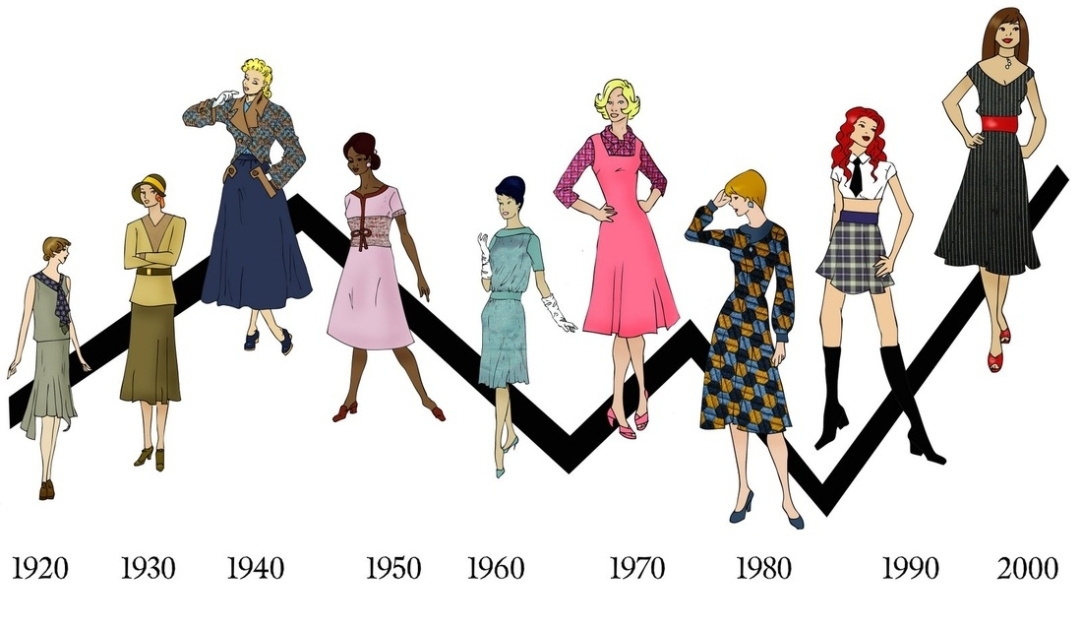
1915 to 1930: Breaking Free from Restriction
In the early 20th century, fashion was defined by structure and control. Women’s clothing, in particular, relied heavily on corsets to create the desired silhouette.
These corsets shaped the body into what was known as the “S-bend” form, pushing the chest forward and the hips back. While visually striking, they were often uncomfortable and restrictive.
Everything began to change during and after World War I.
As women entered the workforce in greater numbers, practicality became more important than rigid beauty standards. Clothing needed to allow movement, not restrict it.
Designers started to move away from tight corsetry, embracing looser silhouettes. Dresses became simpler, and the iconic “flapper” style emerged in the 1920s.
This era marked a turning point. Fashion was no longer just about appearance — it began to reflect freedom and independence.
1930 to 1950: Elegance Meets Practicality
The 1930s introduced a softer, more natural approach to fashion. Designers began using techniques like the bias cut, which allowed fabric to drape smoothly along the body’s natural curves.
This created a look that was both elegant and comfortable.
However, the 1940s brought a different challenge.
During World War II, resources became limited. Fabric rationing forced designers to rethink how clothing was made. Skirts became shorter, and designs became more practical.
Shoulders were often structured and slightly exaggerated, giving garments a stronger, more functional appearance.
After the war, fashion took another dramatic turn.
In 1947, Christian Dior introduced the revolutionary “New Look.” This style featured full skirts, narrow waists, and a return to more luxurious fabrics.
It was a bold shift away from wartime simplicity, signaling a renewed interest in elegance and femininity.
1950 to 1970: Identity and Cultural Change
The post-war era brought economic growth and a sense of optimism, which was reflected in fashion.
The 1950s emphasized polished, coordinated outfits. Clothing was often tailored and structured, with a focus on presenting a refined image.
But by the 1960s, everything began to change again.
Younger generations started challenging traditional norms. Fashion became a tool for expressing identity and rebellion.
Shorter hemlines, bold patterns, and experimental designs became popular. The focus shifted from fitting into society to standing out from it.
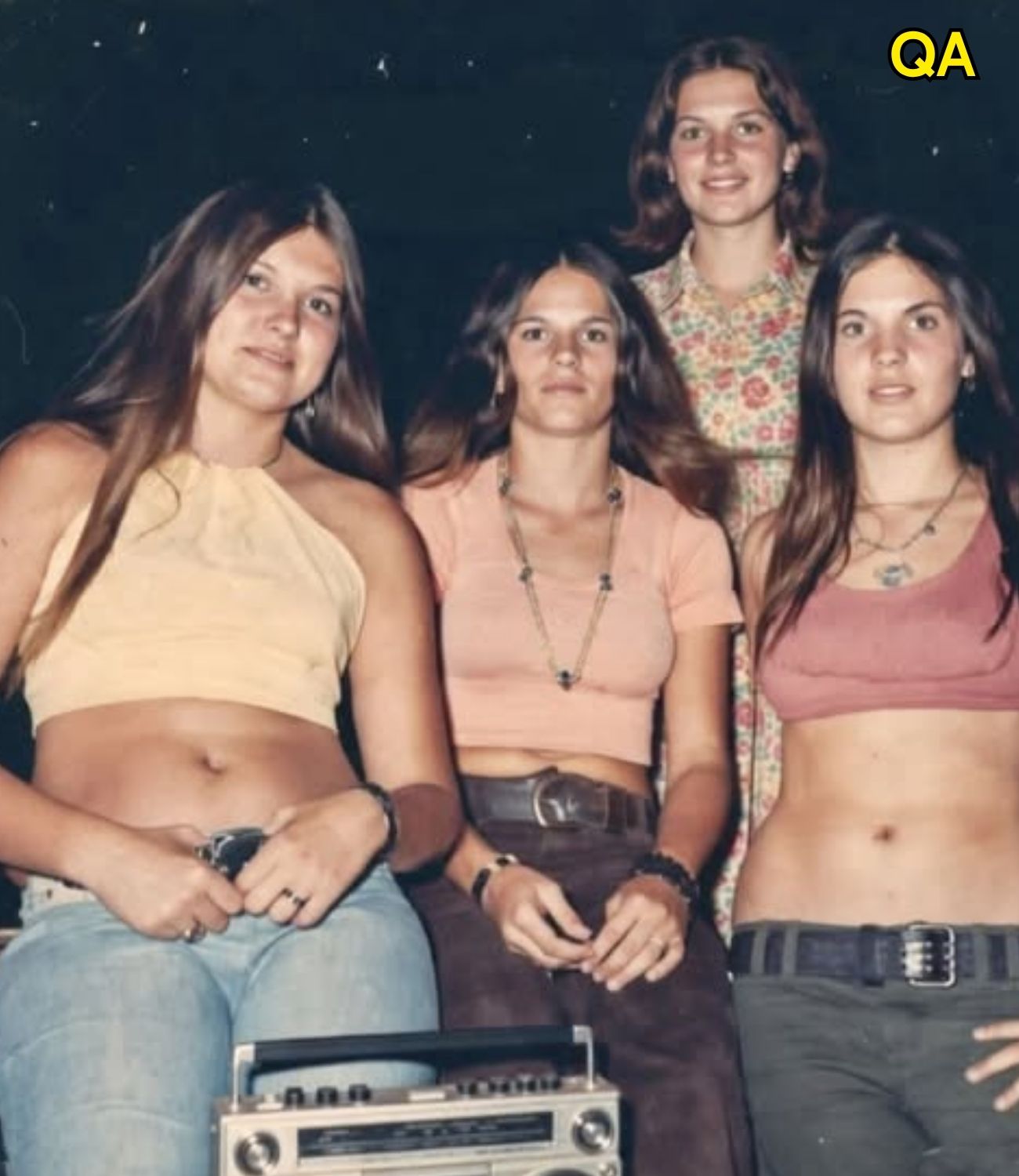
The 1970s continued this trend, embracing diversity in style. From relaxed, flowing garments to more expressive and artistic looks, fashion became increasingly personal.

1980 to 2000: Power, Innovation, and Global Influence
The 1980s were defined by boldness.
Clothing became a statement of ambition and confidence. Power dressing emerged, especially in professional environments, with structured suits and strong silhouettes.
This era reflected a growing emphasis on career success and individuality.
The 1990s, on the other hand, introduced a more relaxed approach.
Minimalism became popular. Simple designs, neutral colors, and comfortable fabrics replaced the bold excess of the previous decade.
At the same time, globalization began to influence fashion more strongly. Trends spread faster, and cultural influences blended together in new ways.
2000 to Today: Comfort Meets Self-Expression
In the 21st century, fashion has become more diverse than ever.
There is no single dominant style. Instead, individuals mix and match influences to create their own unique looks.
Comfort has become a major priority. Advances in fabric technology have made clothing lighter, more flexible, and easier to wear.
At the same time, social media has transformed how trends spread. What was once controlled by major fashion houses is now shaped by millions of people around the world.
Fashion today is less about following rules and more about telling a personal story.
The Role of Technology in Fashion Evolution
One of the most important drivers of change in fashion has been technology.
From the invention of synthetic fabrics to modern manufacturing techniques, innovation has made clothing more accessible and versatile.
Digital platforms have also changed how people discover and share fashion.
Designers can reach global audiences instantly, and consumers can explore styles from different cultures with just a few clicks.
This has created a more connected and dynamic fashion landscape.

From Social Rules to Personal Freedom
In 1915, clothing often reflected strict social expectations.
People dressed according to their class, profession, and gender roles. Fashion was a way of fitting in.
Today, it serves a different purpose.
Fashion is now a form of self-expression. It allows people to communicate who they are, what they value, and how they see the world.
This shift reflects broader changes in society, including greater emphasis on individuality and personal choice.
Why Fashion Keeps Changing
Fashion is constantly evolving because it is deeply connected to human behavior.
As societies change, so do the ways people choose to present themselves.
Economic conditions, cultural movements, and technological advances all play a role.
Each era leaves its mark, influencing the next generation of styles.
This ongoing transformation ensures that fashion remains dynamic and relevant.
Conclusion: A Century of Transformation
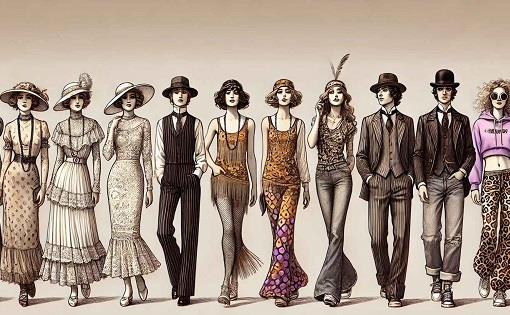
The journey from 1915 to today is a story of transformation.
What began as a system of structure and restriction has become a platform for creativity and freedom.
From the decline of corsets to the rise of modern, comfortable designs, fashion reflects the changing priorities of society.
It shows how people have moved from following rigid rules to embracing individuality.
And as the world continues to evolve, fashion will evolve with it — always adapting, always reflecting the spirit of its time.
Sources
- Victoria and Albert Museum – Historical fashion archives
- Fashion Institute of Technology – Studies on fashion evolution
- Smithsonian Institution – Cultural history and apparel development
- www.flashnews24.info – Overview of fashion transformation since 1915