In times of rising global tension, a common question often appears in discussions online and offline: where would be the safest places if a large-scale global conflict were to occur?
While the idea of a worldwide conflict remains hypothetical, experts often analyze geographic, political, and economic factors to assess which regions might be less affected. The answer is not simple, and no place is entirely risk-free. However, certain countries stand out due to their isolation, neutrality, and ability to sustain themselves.
This article explores those locations with a balanced perspective, focusing on real-world factors rather than speculation.

What Makes a Country “Safe” in Global Instability?
Before looking at specific countries, it is important to understand the criteria used to evaluate safety.
Geographic Isolation
Countries far from major military centers or conflict zones are generally less exposed to direct impact. Remote island nations often fall into this category.
Political Neutrality
Nations with a long-standing policy of neutrality are less likely to be directly involved in international conflicts.
Resource Self-Sufficiency
Access to food, water, and energy is essential. Countries that can produce their own resources are better positioned during global disruptions.
Low Strategic Value
Regions that are not major financial hubs or military bases are less likely to become focal points during conflict.
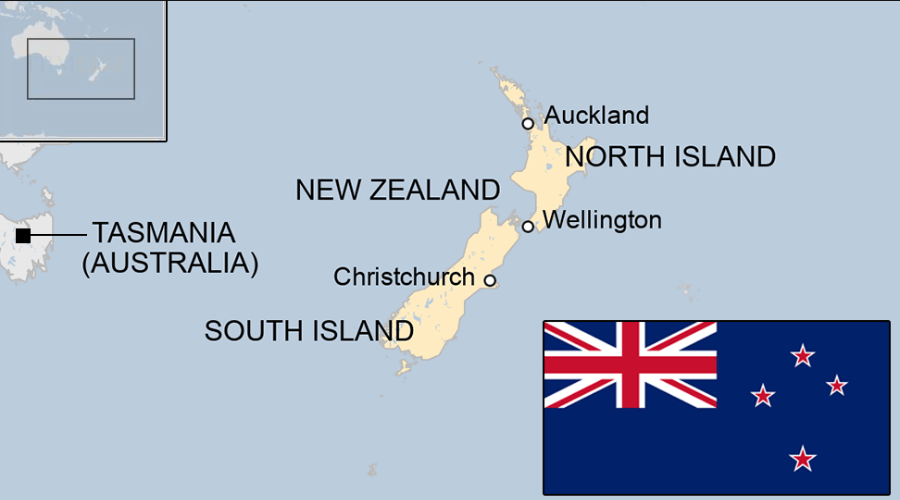
1. New Zealand
New Zealand is often considered one of the most stable and remote nations in the world.
Located far from major geopolitical hotspots, it benefits from natural isolation. The country also has a relatively small population and strong agricultural capacity, allowing it to produce much of its own food.
Energy sources such as hydroelectric and geothermal power further enhance its resilience. Combined with political stability, these factors make New Zealand a frequently mentioned option in discussions about global safety.
2. Iceland
Another remote island nation, Iceland, offers unique advantages.
It has no standing army and maintains a peaceful international stance. Its location in the North Atlantic keeps it distant from many potential conflict zones.
Iceland also relies heavily on renewable energy, including geothermal and hydroelectric power, making it largely self-sufficient in energy production.
3. Switzerland
Switzerland is well known for its long-standing neutrality.
Although located in Europe, it has historically avoided direct involvement in major conflicts. The country is also highly prepared, with strong infrastructure and civil defense systems.
Its mountainous terrain provides natural protection, and its economy is stable and diversified.

4. Canada
Canada offers vast land, abundant natural resources, and a relatively low population density.
Certain remote regions, especially in the north, are far removed from major urban centers. Canada’s strong agricultural and energy sectors provide a level of self-sufficiency.
Its political stability and established institutions also contribute to its resilience.
5. Australia
Australia is geographically isolated and has significant natural resources.
Its distance from many global conflict zones reduces immediate risk. The country also has a well-developed agricultural sector and strong infrastructure.
While it is an active participant in global affairs, its location remains a key advantage.
6. Norway
Norway combines natural resources with a high standard of living.
Its energy production, particularly from hydropower, makes it largely self-sufficient. The country also has strong governance and social systems.
Northern regions are especially remote, offering additional geographic advantages.

7. Bhutan
Bhutan is a small nation known for its focus on sustainability and well-being.
Its mountainous terrain provides natural protection, while its policies emphasize environmental preservation and self-sufficiency.
Although not entirely isolated, Bhutan’s limited global involvement may reduce exposure to large-scale conflicts.
8. Chile
Chile stretches along South America’s western coast, offering diverse geography.
Its southern regions are particularly remote, with access to natural resources and lower population density.
Chile’s stable government and growing infrastructure make it a notable option.
9. Ireland
Ireland has a history of military neutrality and a relatively stable political environment.
As an island nation, it benefits from geographic separation. Its agricultural capacity also contributes to its resilience.

10. Fiji
Fiji is located in the South Pacific, far from major geopolitical centers.
Its isolation is its primary advantage. While infrastructure may be more limited compared to larger nations, its distance from potential conflict zones is significant.
Why No Place Is Completely Safe
It is important to emphasize that no country can be considered completely immune to global instability.
Modern economies are interconnected. Supply chains, communication networks, and financial systems link countries together in complex ways.
Even remote nations may feel indirect effects, such as economic disruptions or resource shortages.
The Role of Preparedness
Beyond geography, preparedness plays a critical role.
Countries with strong institutions, emergency planning, and resilient infrastructure are better equipped to handle unexpected challenges.
Individual preparedness also matters. Access to reliable information, community support, and basic resources can make a significant difference.
A Balanced Perspective on Global Risks
While discussions about global conflict can attract attention, it is important to approach the topic with balance.
Experts generally emphasize that international cooperation, diplomacy, and economic interdependence reduce the likelihood of large-scale conflict.
Focusing on resilience and preparedness is often more constructive than speculation.
Conclusion
The idea of “safe countries” in a global conflict scenario is complex and depends on multiple factors.
Nations like New Zealand, Iceland, and Switzerland are often highlighted due to their geographic isolation, neutrality, and resource stability.
However, no place offers complete certainty. Understanding the broader context and focusing on resilience provides a more realistic perspective.
In the end, the discussion reflects a universal human concern: the desire for safety and stability in an uncertain world.
Sources
- BBC News
- Reuters
- United Nations
- World Bank