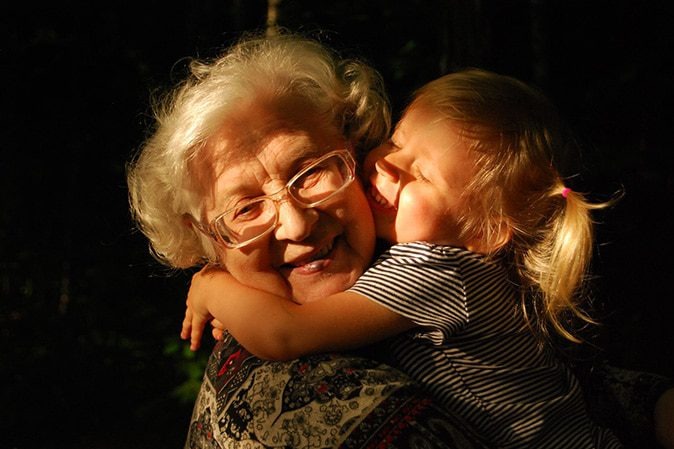
It was a quiet morning when 78-year-old Mrs. Lan followed her usual routine. She woke early, made tea, and moved slowly through her home as sunlight filtered in through the windows. Everything felt familiar—until something subtle shifted. Her hand trembled as she reached for her cup, and when she tried to speak, her words came out slower than usual. Her granddaughter noticed the difference but hesitated for a moment, unsure if it was just fatigue. Within minutes, that hesitation turned into concern. What seemed like an ordinary day quickly became a life-changing moment. This is how stroke in the elderly often begins—quietly, suddenly, and without warning.
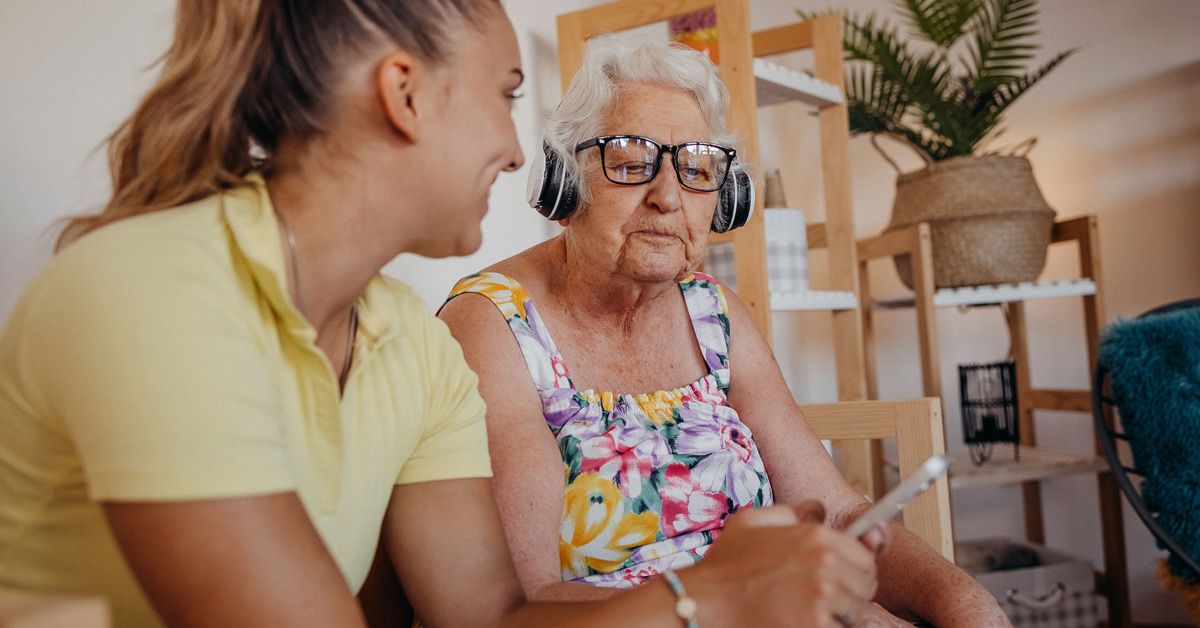
What Is Stroke in the Elderly?
Stroke is a medical condition that occurs when blood flow to the brain is disrupted, preventing brain cells from receiving oxygen and nutrients. This interruption can happen due to a blockage or a rupture in blood vessels. In older adults, the risk is significantly higher because the body undergoes natural aging processes that affect the circulatory system. Blood vessels may become less flexible, and underlying health conditions may increase vulnerability.
Understanding stroke in the elderly is essential because early detection and timely action can greatly improve outcomes and support recovery.
Why Are Older Adults at Higher Risk?
Age-Related Changes
As people age, their blood vessels naturally lose elasticity. This can make it easier for blockages to form or for vessels to become damaged. These changes often occur gradually and may not be noticeable until a serious event occurs.
Chronic Health Conditions
Many elderly individuals live with conditions that increase stroke risk, including high blood pressure, diabetes, and high cholesterol. These conditions can weaken blood vessels and affect circulation over time.
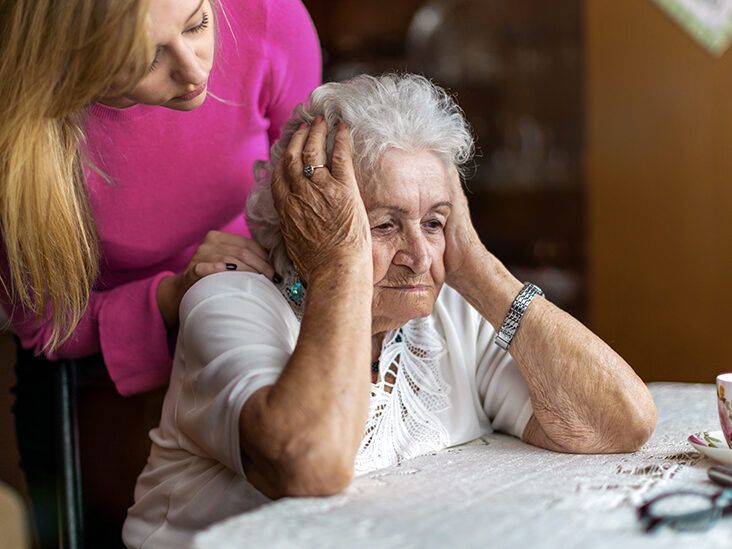
Lifestyle Factors
Limited physical activity, unbalanced diets, and long-term habits such as smoking or excessive alcohol consumption can contribute to increased risk. Even small daily habits can have a long-term impact on vascular health.
Early Warning Signs of Stroke
Recognizing the early signs of stroke is critical. Symptoms can appear suddenly and may include subtle changes that are easy to overlook.
Key Signs to Watch For
- Uneven facial expression or drooping
- Weakness in one arm or difficulty lifting it
- Slurred or slow speech
- Sudden dizziness or loss of balance
- Vision changes such as blurriness
Why Timing Matters
Quick action can make a significant difference. Early medical care can reduce complications and improve recovery outcomes. In Mrs. Lan’s case, her family recognized the signs and acted quickly, which helped ensure she received timely care.
The Importance of Immediate Response
When stroke symptoms appear, every minute counts. Acting quickly can help protect brain function and reduce long-term effects. Families should seek medical assistance immediately rather than waiting to see if symptoms improve.
Mrs. Lan’s granddaughter made the decision to call for help right away. This quick response allowed healthcare professionals to begin treatment within a critical timeframe, improving her chances of recovery.

Prevention Tips for Stroke in the Elderly
Regular Health Check-Ups
Routine medical visits can help detect risk factors early. Monitoring blood pressure, blood sugar, and cholesterol levels is essential for long-term health.
Healthy Diet
A balanced diet rich in vegetables, fruits, and whole grains can support heart and brain health. Reducing salt and processed foods may help maintain stable blood pressure.
Physical Activity
Light daily exercise, such as walking or stretching, can improve circulation and strengthen the body. Consistency is more important than intensity for older adults.
Stress Management
Emotional well-being plays an important role in overall health. Reducing stress and maintaining a calm lifestyle can support cardiovascular health.
Recovery and Long-Term Care
Recovery after a stroke varies from person to person. Some individuals may regain strength quickly, while others may require ongoing support. Rehabilitation often includes physical therapy, speech exercises, and lifestyle adjustments.
Mrs. Lan’s recovery involved simple daily routines supported by her family. Gradually, she regained strength and confidence. Her journey highlights the importance of patience, encouragement, and consistent care.
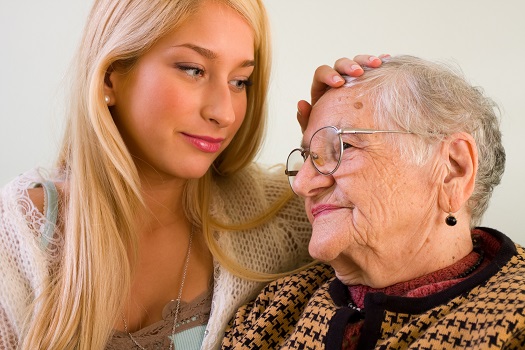
Emotional Impact on Families
Stroke affects not only the individual but also their loved ones. Family members often experience worry, uncertainty, and responsibility. Providing emotional support and maintaining a positive environment can help both the patient and the caregivers navigate the recovery process.
The Role of Awareness and Education
Awareness is one of the most powerful tools in preventing stroke. When families understand the signs and risk factors, they are better prepared to respond effectively. Sharing knowledge within communities can help protect more people and encourage proactive health habits.
Conclusion: Small Signs, Big Importance
Stroke in the elderly is a serious condition, but it is not without hope. Early recognition, timely action, and preventive care can make a meaningful difference. Mrs. Lan’s story serves as a reminder that even small signs should never be ignored.
By staying attentive, maintaining healthy habits, and seeking medical advice when needed, families can help protect their loved ones and improve quality of life. In many cases, awareness is the first and most important step toward prevention.
Sources
World Health Organization. Stroke Fact Sheet
Centers for Disease Control and Prevention. Stroke Signs and Prevention
American Heart Association. Stroke Risk and Recovery
National Institute on Aging. Health and Aging Resources