
Lena had been looking forward to this moment all week. After days filled with deadlines and constant notifications, the idea of a quiet afternoon at the spa felt like the perfect reset. Soft lighting, calming music, and the promise of relaxation created an atmosphere that seemed almost effortless.
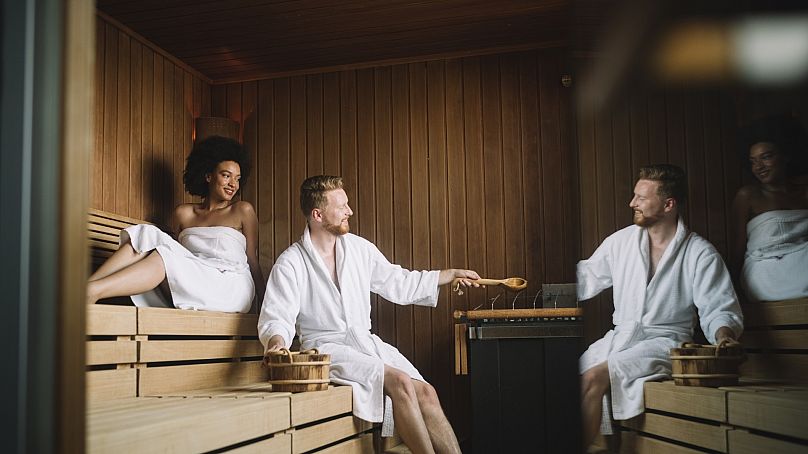
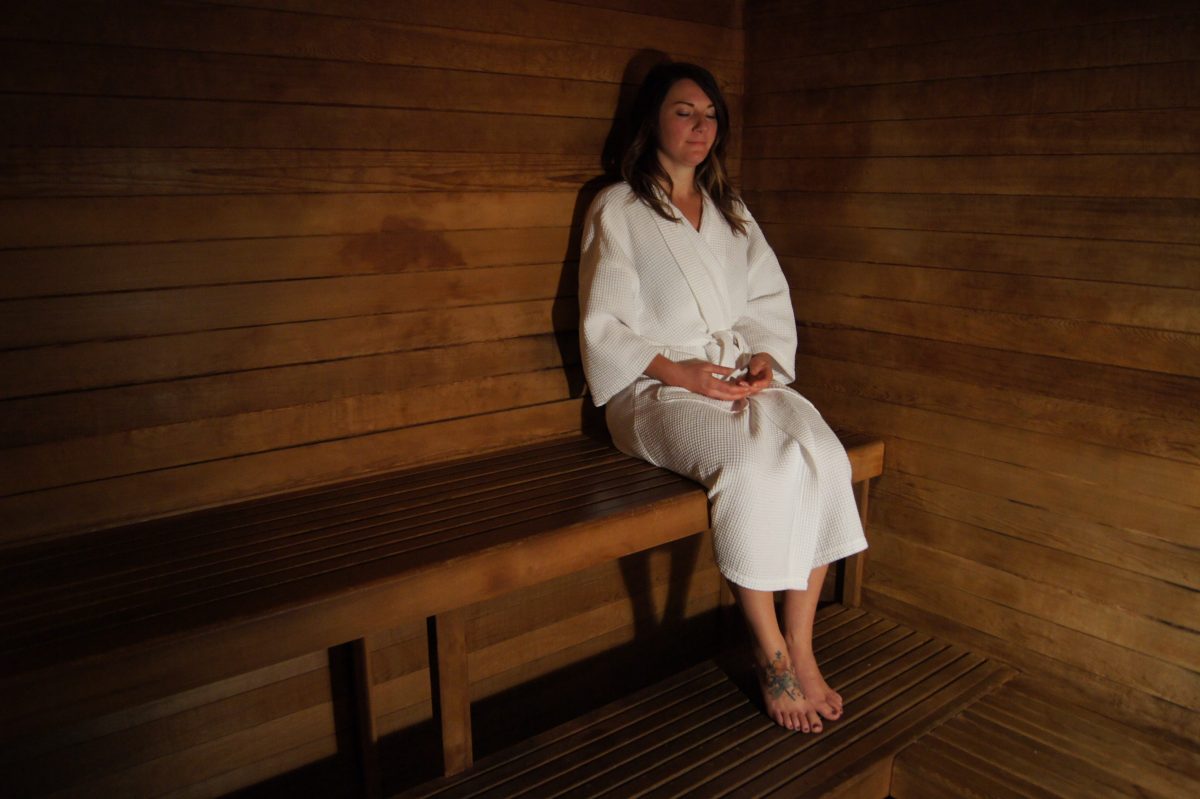
She checked in, changed into a robe, and made her way to the sauna.
At first, everything felt exactly as advertised. The warmth wrapped around her like a blanket, easing tension from her shoulders. She told herself she would stay for just ten minutes, enough to enjoy the benefits without overdoing it.
But as often happens in comfortable environments, time slipped by quickly.

The Subtle Signs We Often Overlook
When Lena glanced at the clock, she decided to stay a little longer. She had read that extended time in the sauna could enhance relaxation and promote a sense of renewal.
At first, the changes were barely noticeable.
A slight dizziness when shifting position. A faint sense of heaviness in her breathing. These signals were easy to dismiss, especially in a setting designed to feel soothing.
Health experts often note that early signs of overheating can be subtle. The body begins to respond to rising temperature by increasing heart rate and redirecting blood flow to the skin. This helps with cooling but can also lead to lightheadedness if exposure continues.
Lena, like many people, chose to push through.
When the Body Speaks Louder
A few minutes later, the sensations intensified. The room felt hotter than before, and her balance became uncertain. What had started as mild discomfort turned into a clear warning.
Her vision blurred slightly, and a ringing sound filled her ears.
These symptoms are commonly associated with heat exhaustion, a condition that occurs when the body struggles to regulate temperature effectively. According to health organizations such as the World Health Organization, prolonged exposure to high heat without adequate hydration can overwhelm the body’s cooling mechanisms.
When Lena tried to stand, her legs felt weak. Fortunately, someone nearby noticed and stepped in to help.
Quick Response and Care
Within moments, spa staff arrived. They guided Lena to sit down, offered water, and placed a cool towel against her neck. Recognizing the situation, they acted quickly and cautiously.
A wheelchair was brought in to help her move safely out of the sauna area. While the experience felt uncomfortable and unexpected, it was a necessary step to ensure her well-being.
Once in a cooler environment, her condition began to stabilize. Her breathing slowed, and the dizziness gradually faded. Staff continued to monitor her, explaining that such reactions are not uncommon.
Medical guidance from organizations like the Centers for Disease Control and Prevention highlights that heat-related symptoms can develop faster than people expect, particularly in enclosed, high-temperature settings.
Understanding Heat Exposure Scientifically
Saunas are widely used around the world and are generally considered safe when used properly. They can support relaxation, improve circulation, and contribute to overall well-being.
However, the key factor is moderation.
When the body is exposed to high temperatures, it relies on sweating and increased blood flow to maintain balance. If fluid levels are low or exposure is prolonged, this system can become less effective.
Scientific studies show that dehydration, fatigue, and skipping meals can increase susceptibility to heat-related discomfort. Even healthy individuals can experience symptoms if they exceed recommended time limits.
Most guidelines suggest limiting sauna sessions to 10–15 minutes at a time, followed by a cooling period and hydration.
The Psychology of “Pushing Through”
Lena’s experience also highlights an important psychological factor: the tendency to ignore early warning signs.
In many situations, people feel pressure to endure discomfort, especially when others around them appear unaffected. This is sometimes referred to as social comparison, where individuals judge their own reactions based on those of others.
Additionally, the idea of maximizing benefits can lead people to extend activities beyond safe limits. In wellness environments, this can translate into staying longer in saunas or engaging in more intense routines than necessary.
Experts emphasize that listening to one’s body is more important than following perceived expectations.
Cultural Perspectives on Sauna Use
Sauna traditions vary across cultures. In countries like Finland, for example, sauna use is a long-standing practice deeply embedded in daily life. However, even in these contexts, there is a strong emphasis on balance and awareness.
Users are encouraged to take breaks, stay hydrated, and adjust their experience based on personal comfort. The cultural approach reinforces the idea that well-being comes from harmony, not extremes.
Modern spa culture sometimes highlights the benefits of heat exposure without equally emphasizing its limits. This can create misunderstandings about how long is “too long.”
Recovery and Reflection
After spending time in a cooler area and rehydrating, Lena began to feel like herself again. Her energy returned, and the earlier symptoms subsided.
The experience, however, left a lasting impression.
On her way home, she reflected on what had happened. The signs had been there from the beginning, small but clear. She had simply chosen to ignore them.
The next day, she shared her story online. Not as a dramatic account, but as a practical reminder.
Saunas can be beneficial, she noted, but only when used responsibly.
Practical Tips for Safe Sauna Use
Health experts recommend a few simple guidelines to ensure a safe and enjoyable experience:
Stay hydrated before and after entering a sauna
Limit sessions to a moderate duration, typically 10–15 minutes
Listen to early signs such as dizziness or discomfort
Avoid using the sauna on an empty stomach or when feeling fatigued
Take breaks and allow the body to cool down between sessions
These steps can help reduce the risk of overheating and support a more balanced approach to relaxation.

A Reflection on Human Curiosity
Stories like Lena’s resonate because they combine everyday experiences with important lessons. Many people are curious about wellness practices and eager to explore ways to feel better.
This curiosity can be a positive force, encouraging learning and self-care. At the same time, it highlights the importance of understanding limits.
The body communicates constantly, often in subtle ways. Recognizing and respecting those signals is a key part of maintaining well-being.
In the end, relaxation is not about pushing boundaries. It is about finding balance, paying attention, and knowing when to step back.
Sometimes, the most valuable lesson is not how far we can go, but how carefully we listen along the way.
Sources
World Health Organization. Heat and health guidelines
Centers for Disease Control and Prevention. Heat-related illness prevention
Harvard Health Publishing. Sauna use and cardiovascular response
Mayo Clinic. Dehydration and heat exhaustion overview
Finnish Sauna Society. Traditional sauna practices and safety