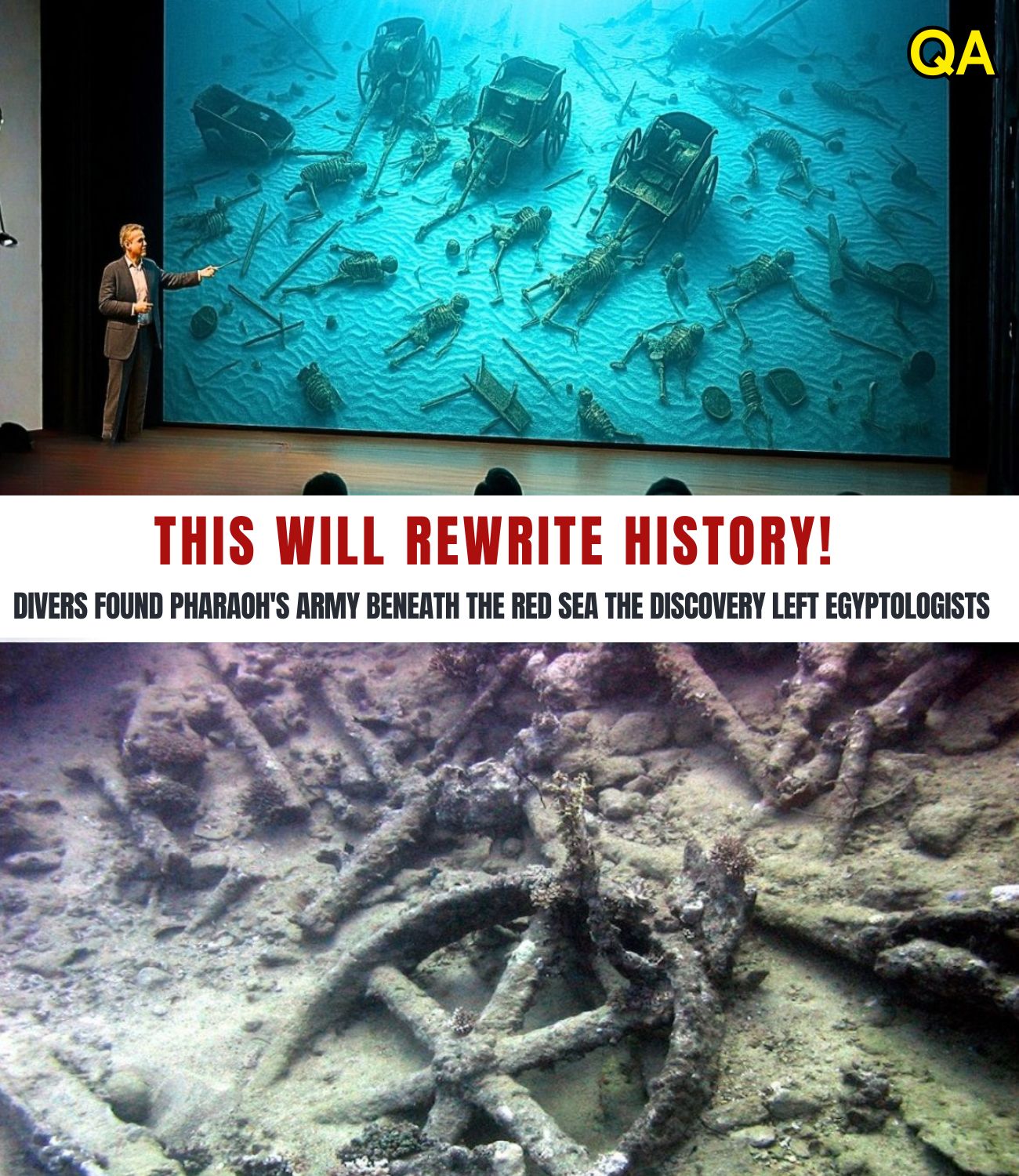
In recent years, the waters of the Red Sea—particularly the Gulf of Aqaba—have once again become the center of global fascination. Viral headlines and online discussions suggest a breathtaking possibility: that remains of an ancient army, complete with chariot wheels and artifacts, may lie preserved beneath the seabed. Some narratives even connect this alleged discovery to the biblical story of the Exodus.
At first glance, the idea is captivating. A submerged historical scene frozen in time would represent one of the most significant archaeological discoveries in human history. However, as with many extraordinary claims, the reality requires careful examination grounded in science, evidence, and established research standards.

The Origins of the Claim
The Role of Early Explorers
Much of the modern narrative can be traced back to Ron Wyatt, who in the late 20th century claimed to have discovered various biblical artifacts, including remains of an ancient army beneath the Red Sea. Wyatt presented photographs and interpretations that he believed supported his findings.
However, his work was not accepted by mainstream archaeology. Professional researchers and institutions emphasized that his claims lacked proper documentation, controlled excavation, and independent verification—key requirements in scientific research.
Revival Through Modern Media
Decades later, the story has resurfaced through social media, independent expeditions, and online publications. Advances in sonar and underwater imaging have added a technological layer to the narrative, with some teams claiming to detect shapes resembling wheels or structures on the ocean floor.
Yet, these claims remain largely anecdotal, with limited publicly available data.
What Modern Archaeology Requires
The Scientific Process
In professional archaeology, especially underwater archaeology, discoveries must follow strict protocols to be considered credible. These include:
- Official excavation permits from governing authorities
- Controlled and documented recovery of artifacts
- Clear chain-of-custody records
- Laboratory analysis of materials
- Peer-reviewed publication in academic journals
- Collaboration with recognized institutions or museums
Without these steps, findings cannot be verified or accepted within the scientific community.

Why Evidence Matters
Visual similarities alone—such as objects that “look like” wheels—are not sufficient. Archaeology relies on measurable, testable data, including material composition, dating methods, and contextual analysis.
In the case of the Red Sea claims, none of these verification steps have been publicly completed.
Natural Explanations for Underwater Formations
Coral and Geological Structures
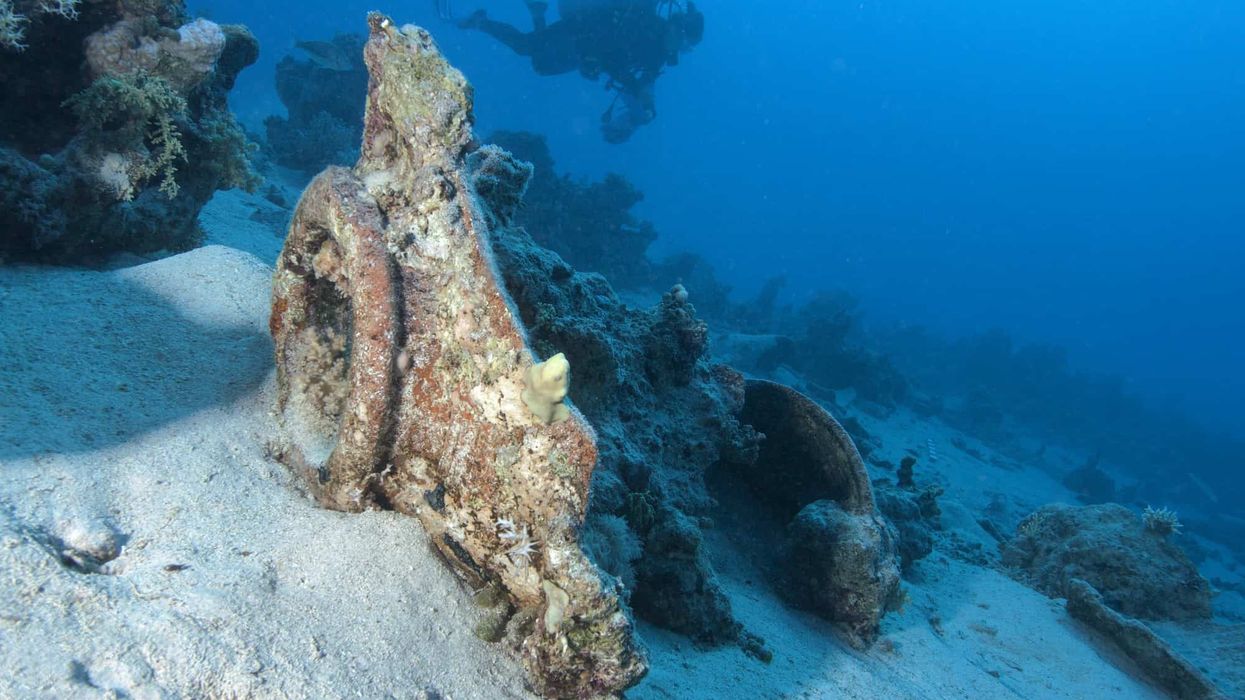
Marine archaeologists point out that coral growth can create shapes that resemble man-made objects. Over time, coral can attach to rocks or debris, forming circular or symmetrical patterns that may appear artificial at first glance.
Sonar Interpretation Challenges
Sonar imaging, while powerful, is not always precise. It produces outlines and reflections that require expert interpretation. Without high-resolution data and multiple verification methods, sonar images can be misleading.
Environmental Factors
The Red Sea environment includes:
- Strong currents
- Sediment movement
- Biological growth over surfaces
These factors can alter or obscure objects, making identification difficult without direct analysis.
The Biblical Connection and Cultural Significance
The Story of the Exodus
The idea of discovering Pharaoh’s army underwater is often linked to the biblical Exodus narrative. This story holds deep cultural and religious significance for millions of people worldwide.
However, historians and archaeologists continue to study the Exodus from multiple perspectives, including textual analysis, regional archaeology, and comparative history. As of now, no widely accepted physical evidence directly confirms the specific event as described in religious texts.
Why the Story Endures
The persistence of these claims reflects more than scientific curiosity. It highlights:
- The human desire to connect history with belief
- The appeal of tangible evidence for ancient narratives
- The power of storytelling in shaping perception
Modern Expeditions: Promise and Limitations
Private Exploration Efforts
Recent claims often come from privately funded expeditions using advanced tools such as remotely operated vehicles (ROVs) and sonar systems. While these technologies are valuable, their findings must still undergo rigorous validation.
Lack of Verified Documentation
So far, the evidence presented publicly has been limited to:
- Low-resolution images
- General descriptions
- Unverified interpretations
Without independent review, these materials cannot support definitive conclusions.
Why Experts Remain Cautious
The Importance of Peer Review
Scientific knowledge advances through peer review, where experts evaluate methods, data, and conclusions. This process ensures accuracy and reliability.
In the case of the Red Sea claims, the absence of peer-reviewed studies is a major reason for skepticism.
Avoiding Premature Conclusions
Extraordinary discoveries require extraordinary evidence. Until such evidence is provided, scholars maintain a cautious stance—not out of dismissal, but out of commitment to scientific standards.

Reflection: Between Mystery and Understanding
The idea of an ancient army resting beneath the waters of the Red Sea is undeniably compelling. It captures imagination, bridges history and belief, and invites us to explore the unknown.
Yet, it also reminds us of the importance of critical thinking. Curiosity drives discovery, but evidence defines truth. The balance between these two forces is what allows knowledge to grow responsibly.
In the end, whether these claims prove to be misunderstandings, natural formations, or something yet to be fully explored, they serve a deeper purpose. They reflect humanity’s enduring curiosity—our desire to uncover the past, question the present, and seek meaning beneath the surface of the world around us.
Sources
National Geographic
Smithsonian Magazine
Journal of Maritime Archaeology
UNESCO Underwater Cultural Heritage Guidelines
BBC History
Reuters
newsusstareverydays.com article provided in prompt