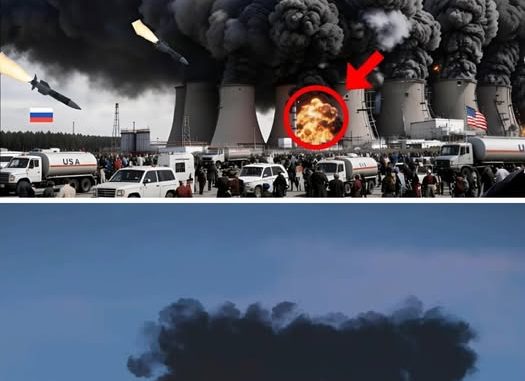
A viral article circulating online has captured widespread attention by claiming that a major international airport in the United States was completely destroyed in a sudden and catastrophic incident. The story spread rapidly across social media platforms, triggering concern, confusion, and a wave of emotional reactions from readers around the world. However, despite the dramatic tone and alarming nature of the claim, there is currently no verified evidence from official authorities or reputable news organizations to support such an event.
In today’s digital landscape, where information travels at unprecedented speed, it is not uncommon for sensational stories to gain traction before their accuracy can be properly assessed. The claim about the destruction of a major U.S. airport appears to fall into this category. While the narrative is presented in a compelling and urgent manner, closer examination reveals a lack of credible sourcing, official statements, or corroborating reports from established media outlets.

When incidents of significant scale occur—especially those involving critical infrastructure such as international airports—they are typically covered extensively and almost immediately by trusted news organizations, government agencies, and aviation authorities. These entities rely on verified data, eyewitness accounts, and official briefings to inform the public. The absence of such reporting in this case strongly suggests that the viral article may be misleading or entirely unfounded.
Sensational headlines play a major role in the spread of such stories. Designed to capture attention quickly, they often emphasize shock value over factual accuracy. Phrases that imply urgency, large-scale destruction, or unprecedented events can compel readers to click, read, and share without taking the time to verify the information. This pattern contributes to the rapid amplification of unverified claims, particularly on social media platforms where algorithms may prioritize engagement over reliability.

Another factor contributing to the spread of misinformation is the emotional response it evokes. Stories involving major disasters or threats to public safety naturally generate fear and concern. When readers encounter such content, they may feel compelled to share it with others as a warning, even if the information has not been confirmed. This well-intentioned behavior can inadvertently contribute to the circulation of false or misleading narratives.
It is also important to recognize how easily digital content can be manipulated. Images, videos, and even fabricated “eyewitness” accounts can be presented in ways that appear authentic. Without proper context or verification, such elements can lend credibility to stories that are not grounded in reality. In some cases, older footage or unrelated incidents may be repurposed to support a new, misleading claim.
The lack of confirmation from official sources remains one of the most critical indicators in evaluating the validity of such reports. Government agencies, airport authorities, and emergency response organizations maintain communication protocols to ensure that accurate information is disseminated during real emergencies. Press releases, official statements, and live briefings are typically issued to inform both the public and the media. When none of these channels report an incident of the magnitude described, it raises serious doubts about the authenticity of the viral claim.
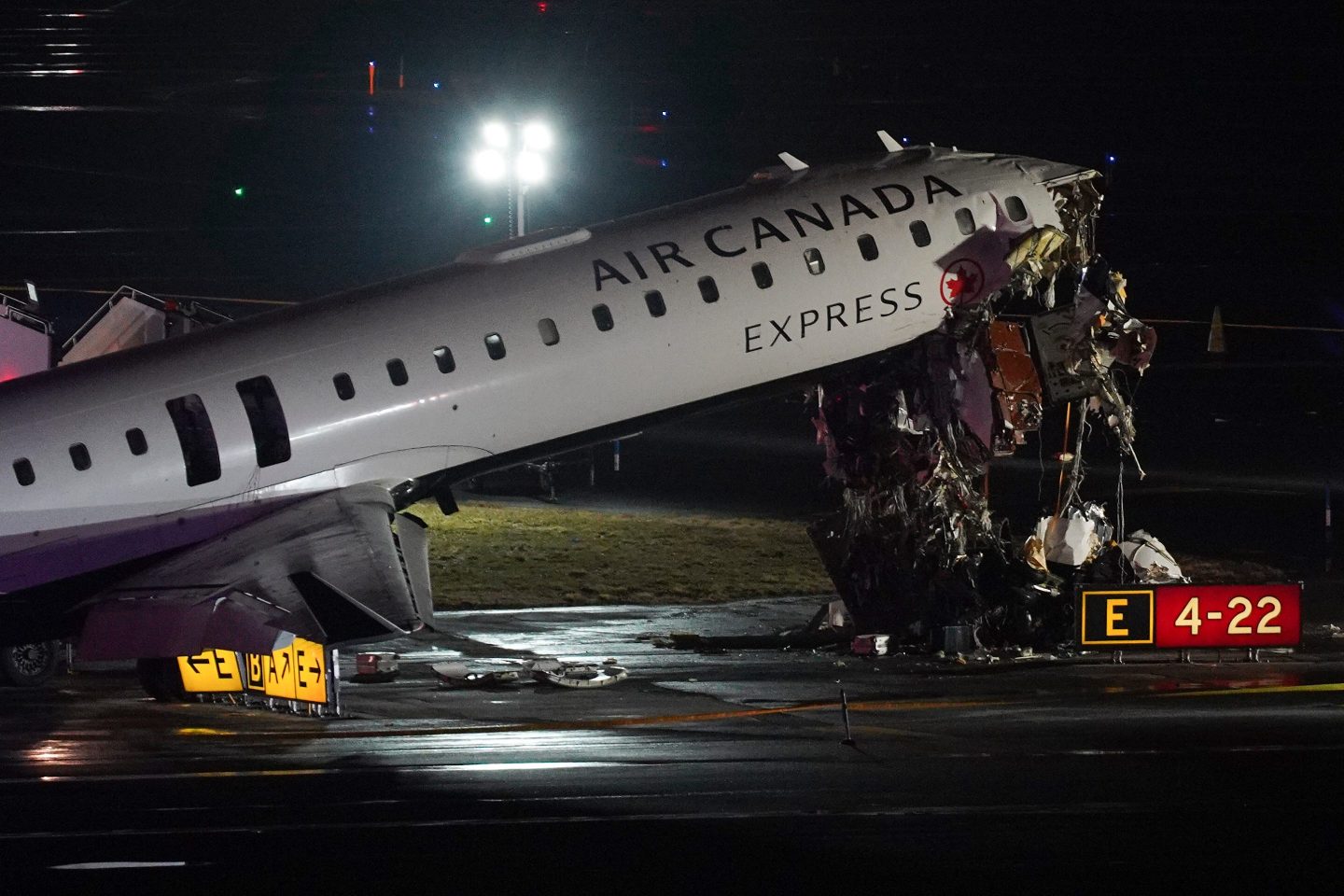
Established news organizations also follow strict editorial standards that require multiple sources and verification before publishing breaking news. Their reputations depend on accuracy and credibility, making them reliable references during major events. The absence of coverage from these outlets further reinforces the likelihood that the story in question does not reflect a real occurrence.
Misinformation, particularly when it involves critical infrastructure or public safety, can have real-world consequences. It can create unnecessary panic, divert attention from genuine issues, and erode trust in reliable sources of information. In some cases, it may even lead to disruptions as individuals or organizations respond to perceived threats that do not exist.
To navigate this complex information environment, readers are encouraged to adopt a more critical approach when encountering viral content. One of the first steps is to check the source of the information. Is it a recognized news outlet, an official organization, or an unknown website with no clear editorial standards? Examining the credibility of the source can provide valuable insight into the reliability of the content.
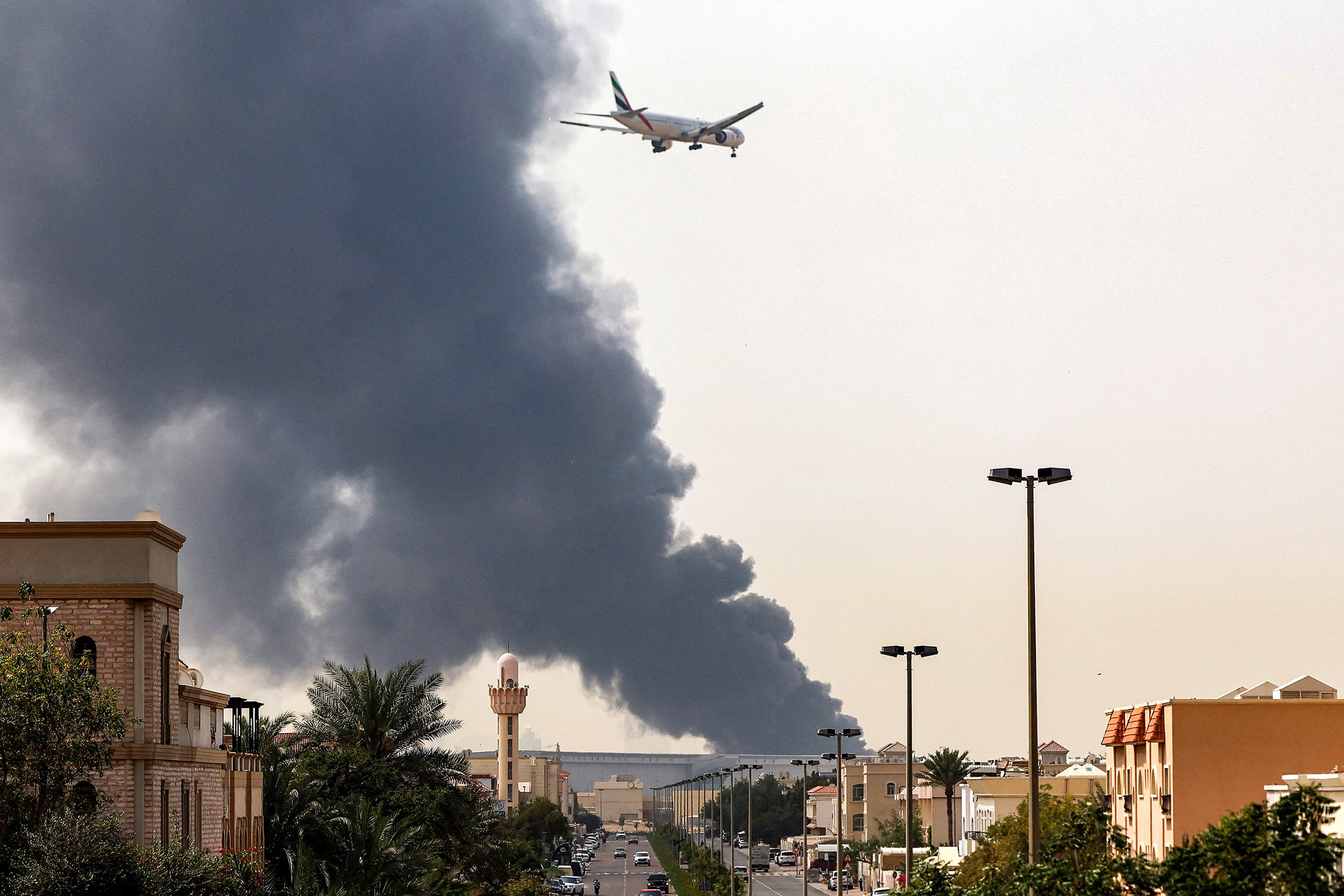
Cross-referencing the information with other reputable sources is another essential practice. If a major event has truly occurred, it will likely be reported by multiple trusted outlets. A lack of consistent reporting across credible platforms is a strong indication that the story may not be accurate.
Readers should also pay attention to the language used in the article. Sensational or exaggerated wording, especially in headlines, can signal an attempt to attract attention rather than inform. Phrases that create urgency without providing specific, verifiable details should be approached with caution.
Another useful strategy is to look for official statements from relevant authorities. In the case of an airport-related incident, this could include announcements from airport management, aviation authorities, or government agencies. These sources provide direct and reliable information that can help confirm or refute circulating claims.
Social media platforms, while valuable for real-time updates, can also serve as channels for the rapid spread of misinformation. Users should be mindful of the content they share and consider the potential impact of amplifying unverified information. Taking a moment to verify a story before sharing it can help reduce the spread of false narratives.

The role of digital literacy has never been more important. As access to information continues to expand, so does the responsibility of individuals to evaluate the content they consume. Understanding how misinformation spreads and recognizing common tactics used in misleading articles can empower readers to make more informed decisions.
In the case of the viral claim about a destroyed U.S. international airport, the available evidence—or lack thereof—points to a clear conclusion: there is no verified confirmation that such an event has taken place. While the story may be compelling and widely shared, it does not meet the standards of credible reporting.
This situation serves as a reminder of the importance of relying on trusted sources and maintaining a critical perspective when engaging with online content. Not every widely circulated story reflects reality, and the speed at which information spreads does not guarantee its accuracy.
Ultimately, staying informed requires a balance between awareness and discernment. By prioritizing verified information and approaching sensational claims with caution, readers can contribute to a more reliable and responsible information environment.