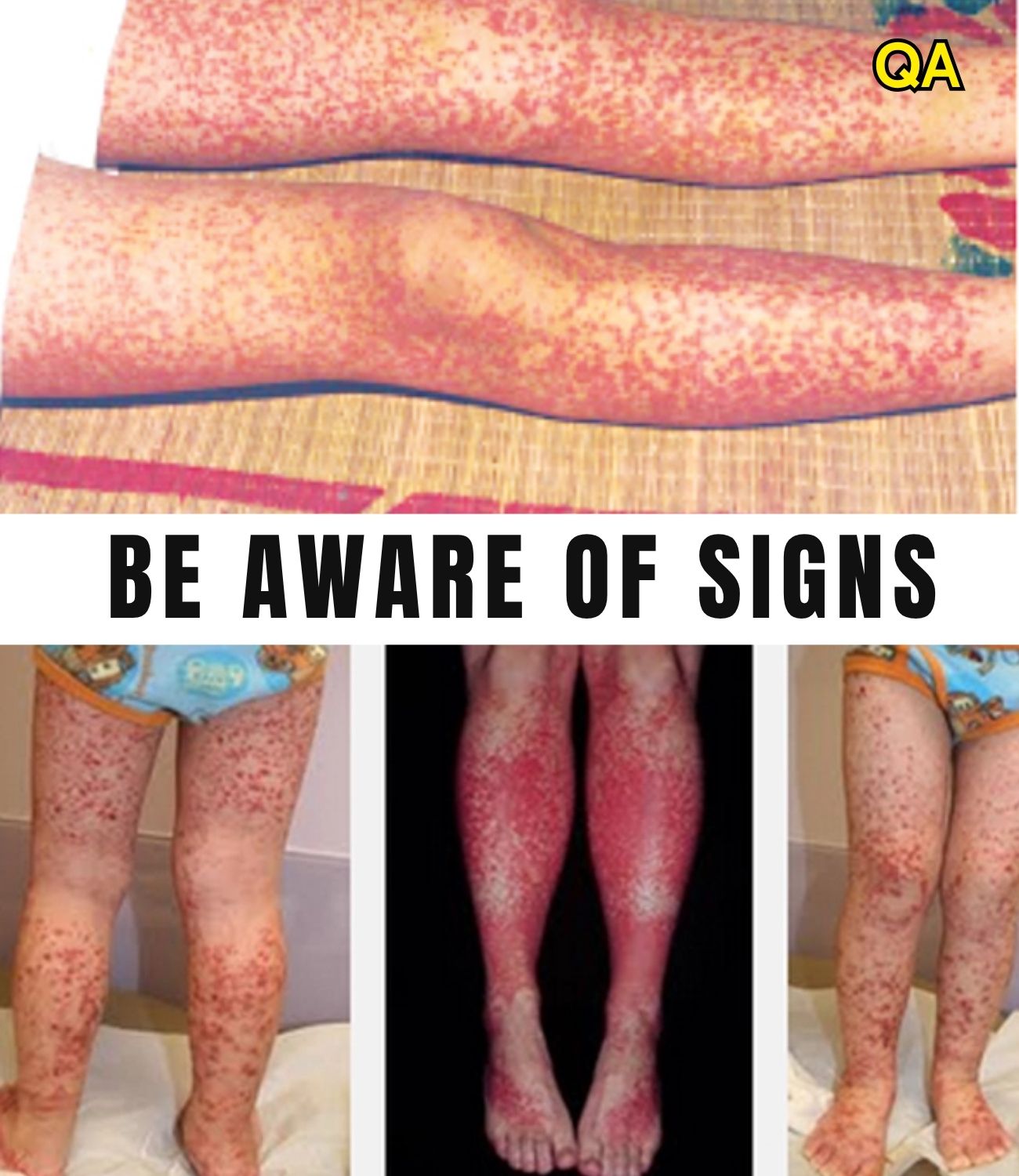
On a quiet afternoon, a parent notices something unusual on their child’s legs—tiny red and purple spots scattered across the skin. At first glance, they might seem harmless, perhaps a rash from play or a minor irritation. But as curiosity grows, so does concern. Why don’t the spots fade when pressed? Why are they clustered around the legs and thighs?
Across cultures and generations, such visible changes on the body have often sparked questions, stories, and even myths. Some traditions viewed unexplained skin markings as signs of imbalance within the body or messages from nature itself. Today, modern medicine offers a clearer lens, helping us understand conditions like Henoch–Schönlein Purpura (HSP), also known as IgA vasculitis, while still acknowledging the sense of mystery that often accompanies sudden physical changes.
This article explores HSP through both cultural reflection and scientific understanding, helping readers recognize its features, differentiate it from similar conditions, and appreciate the body’s remarkable ways of signaling internal processes.
Understanding Henoch–Schönlein Purpura (HSP)
Henoch–Schönlein Purpura is a form of small blood vessel inflammation, primarily affecting children. It occurs when the immune system becomes overactive and deposits a protein called immunoglobulin A (IgA) in the walls of blood vessels. This leads to inflammation, particularly in the skin, joints, intestines, and sometimes the kidneys.
From a scientific perspective, HSP is not considered rare in pediatrics, yet it often appears suddenly and without a clear trigger. In some cases, it follows a mild infection such as a cold or sore throat, which may lead families to associate the condition with seasonal changes or environmental influences.
Key Characteristics and Symptoms
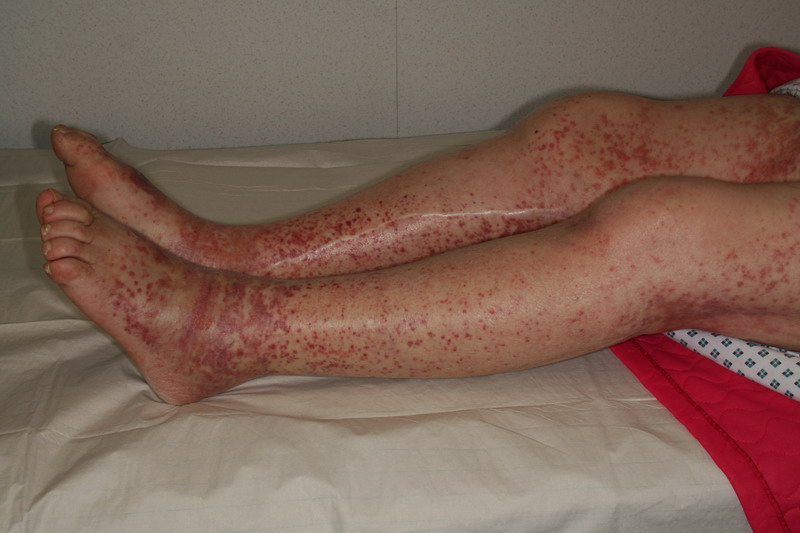
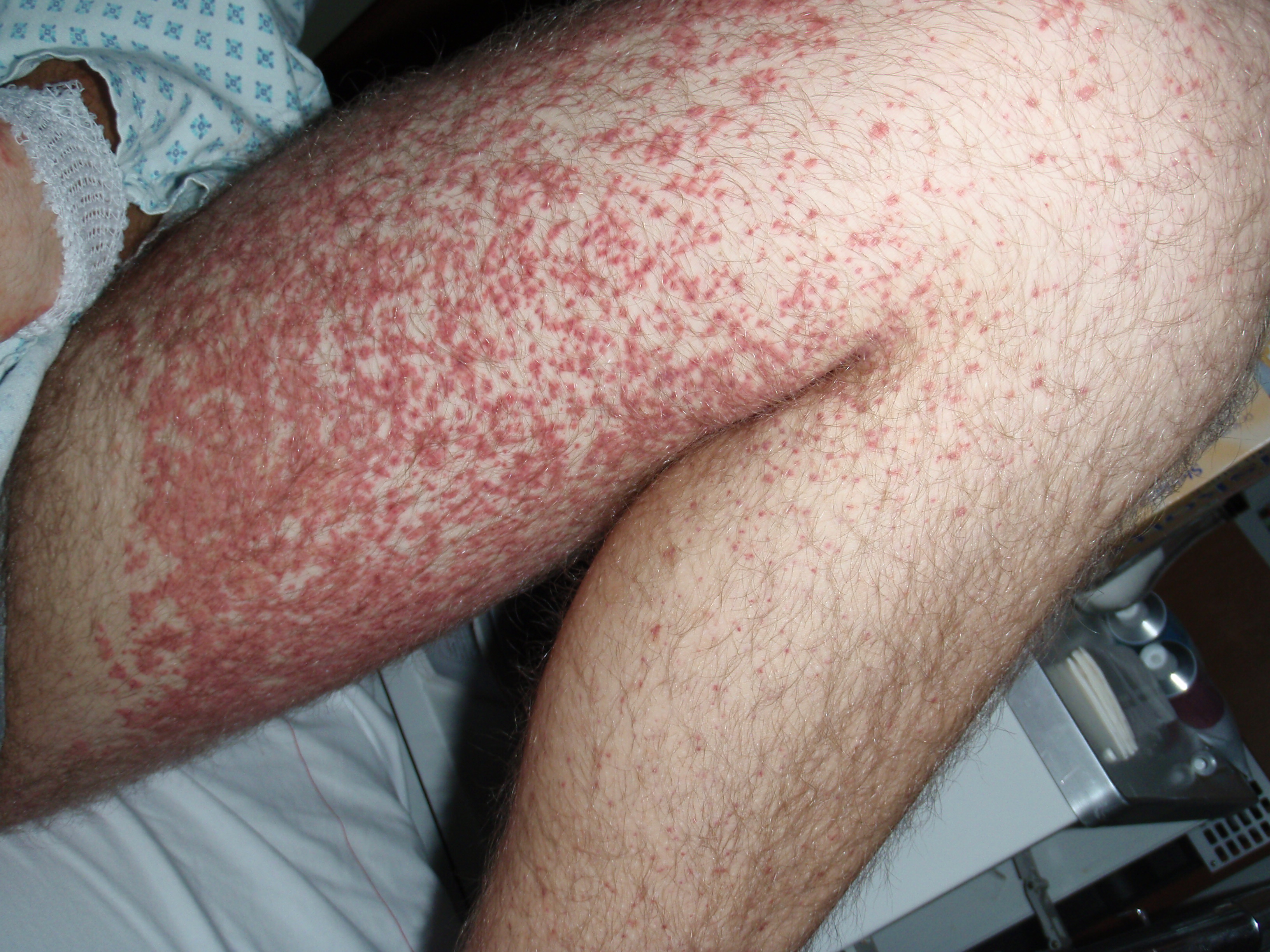
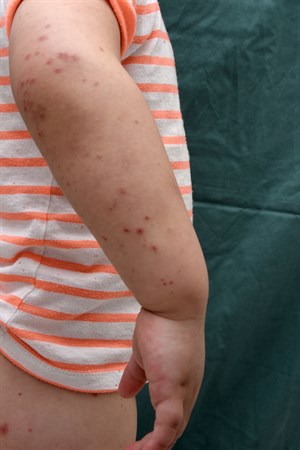
One of the most distinctive features of HSP is the appearance of small red or purple spots on the skin. These spots, known as purpura, have specific characteristics:
- They do not fade when pressed
- They are often raised slightly above the skin
- They tend to cluster in certain areas
Skin Manifestations
The rash typically appears on the lower parts of the body:
- Legs
- Thighs
- Buttocks
These patterns have led to various cultural interpretations in the past, with some communities associating lower-body rashes with physical imbalance or external exposure. Scientifically, however, gravity and blood flow patterns explain why these areas are most affected.
Additional Symptoms
Beyond the skin, HSP may involve other systems in the body:
- Joint discomfort, especially in knees and ankles
- Abdominal pain, sometimes accompanied by digestive discomfort
- Kidney involvement in some cases, which may require monitoring
While these symptoms can vary in intensity, most cases resolve over time with proper care and observation.
Cultural Perspectives on Visible Illness
Throughout history, visible symptoms like skin changes have often carried symbolic meaning. In traditional medicine systems across Asia and Europe, unexplained rashes were sometimes linked to internal “heat,” imbalance, or environmental exposure.
In some cultures, a sudden rash on a child might prompt dietary adjustments, herbal remedies, or protective rituals. While these interpretations differ from modern medical explanations, they reflect a shared human instinct: to seek meaning in visible changes and respond with care.
Today, these cultural perspectives can still influence how families interpret symptoms and decide when to seek medical advice. Recognizing this interplay between tradition and science can help bridge understanding and encourage timely care.
Scientific Insights Into HSP
Modern research has provided valuable insights into how HSP develops. The condition is classified as an immune-mediated vasculitis, meaning the immune system plays a central role.
The Role of IgA
Immunoglobulin A (IgA) is an antibody that normally helps protect mucosal surfaces such as the respiratory and digestive tracts. In HSP, IgA accumulates in small blood vessels, triggering inflammation.
This inflammation leads to:
- Leakage of small amounts of blood under the skin (causing purpura)
- Irritation in joints and tissues
- Potential effects on internal organs
Why Children Are More Affected
HSP is most commonly seen in children, particularly between the ages of 3 and 10. While the exact reason is not fully understood, researchers suggest that developing immune systems may respond differently to infections or environmental triggers.
In most cases, children recover fully, although follow-up is important to ensure no lasting complications, especially related to kidney function.
Conditions With Similar Appearance
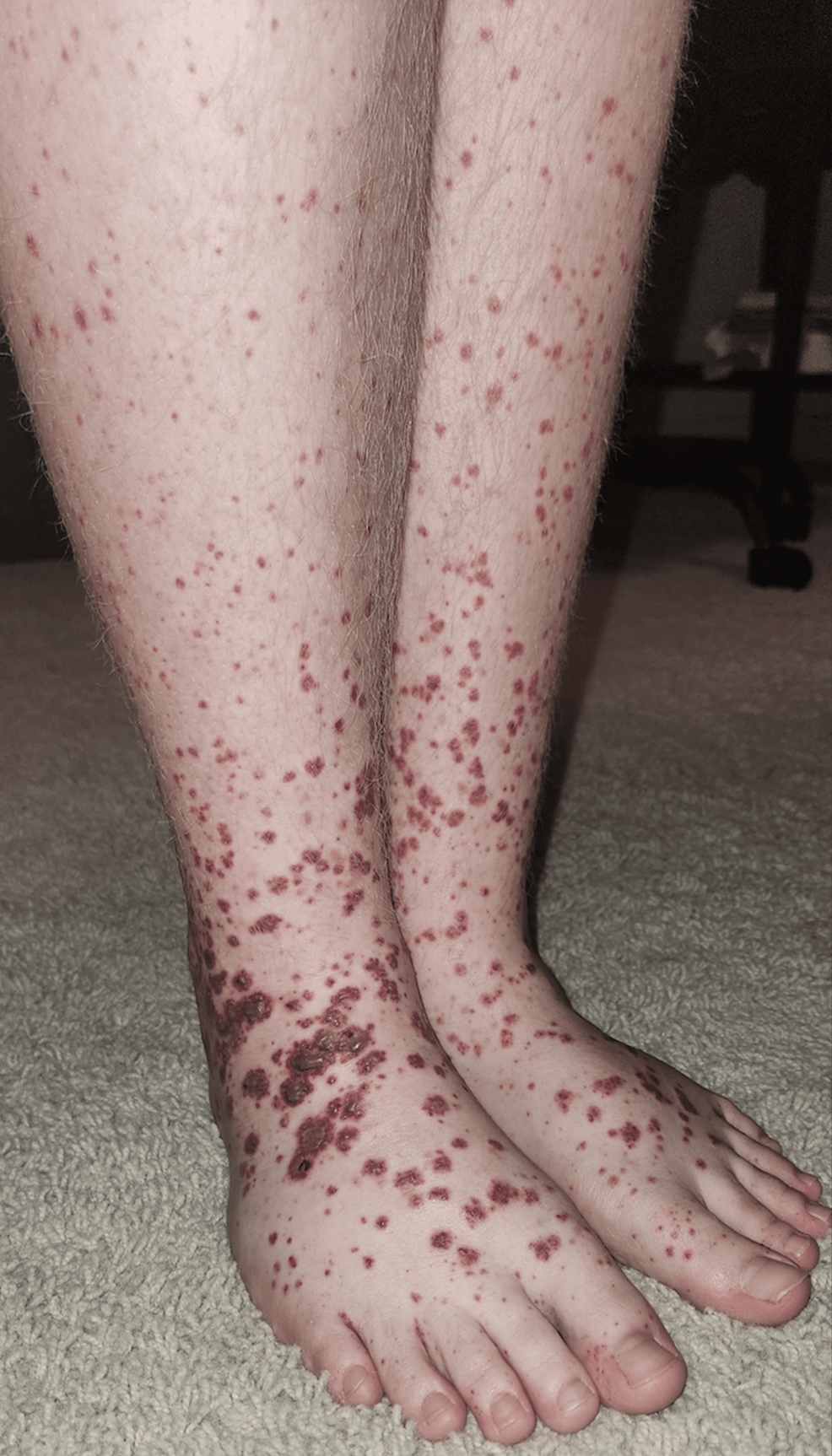
One of the challenges with HSP is that its skin symptoms can resemble other conditions. This makes careful evaluation essential.
Dengue Fever (Severe Forms)
In regions where dengue is present, severe forms of Dengue Fever can produce similar skin findings, including small red or purple spots. However, dengue is typically accompanied by high fever and other systemic symptoms.
Sepsis
Sepsis is a serious condition involving the body’s response to infection. In some cases, it can lead to skin changes that resemble purpura. Unlike HSP, it is usually associated with more severe overall illness and requires urgent medical attention.
Coagulation Disorders
Certain Coagulation Disorders can also cause spots under the skin due to impaired clotting. These conditions may be inherited or acquired and often require specialized testing for diagnosis.
The Importance of Accurate Diagnosis
Because multiple conditions can present with similar skin findings, medical evaluation is crucial. Healthcare providers typically consider:
- Medical history
- Recent infections
- Distribution and appearance of the rash
- Additional symptoms
Laboratory tests may be used to rule out other conditions and monitor organ function, particularly the kidneys.
From a broader perspective, this highlights the importance of not relying solely on visual interpretation. While the skin can offer important clues, it is only one piece of the diagnostic puzzle.
Treatment and Management
In many cases, HSP resolves on its own without the need for intensive treatment. Management focuses on:
- Monitoring symptoms
- Providing comfort for joint or abdominal discomfort
- Ensuring proper hydration and rest
For more significant symptoms, healthcare providers may recommend medications to reduce inflammation or manage pain. Kidney involvement, if present, requires careful follow-up to ensure long-term health.
Recovery Outlook
The prognosis for children with HSP is generally positive. Most recover fully within weeks, although some may experience recurrence. Regular follow-up helps ensure that any complications are identified early and managed appropriately.
Bridging Myth and Medicine
The story of HSP reflects a broader theme in human experience: the intersection of visible symptoms, cultural interpretation, and scientific understanding.
In earlier times, a rash might have been interpreted through symbolic or environmental lenses. Today, we understand the underlying immune processes, yet the initial reaction—curiosity mixed with concern—remains unchanged.
This dual perspective can be valuable. Cultural awareness encourages empathy and communication, while scientific knowledge provides clarity and effective care.
When to Seek Medical Advice
While many cases of HSP are mild, it is important to consult a healthcare professional if:
- The rash appears suddenly and does not fade when pressed
- There is accompanying abdominal or joint discomfort
- There are signs of general illness
- Symptoms persist or worsen
Early evaluation helps distinguish HSP from other conditions and ensures appropriate monitoring.
A Reflection on Human Curiosity
From ancient interpretations of mysterious skin markings to modern immunology, the journey of understanding conditions like Henoch–Schönlein Purpura reveals something profound about human nature.
We are naturally curious beings. When the body presents something unusual, we seek answers—through stories, traditions, and science. Each perspective adds depth to our understanding, reminding us that knowledge evolves while curiosity remains constant.
In the end, a small cluster of spots on the skin can open a window into the complexity of the human body, the richness of cultural interpretation, and the ongoing pursuit of understanding that defines us all.
Sources
- Mayo Clinic. “Henoch-Schönlein Purpura (IgA Vasculitis).”
- National Institute of Diabetes and Digestive and Kidney Diseases (NIDDK). “IgA Vasculitis.”
- Cleveland Clinic. “Henoch-Schönlein Purpura (HSP).”
- World Health Organization (WHO). “Dengue and Severe Dengue.”
- Centers for Disease Control and Prevention (CDC). “Sepsis Basics.”
- American Academy of Pediatrics. “Vasculitis in Children.”