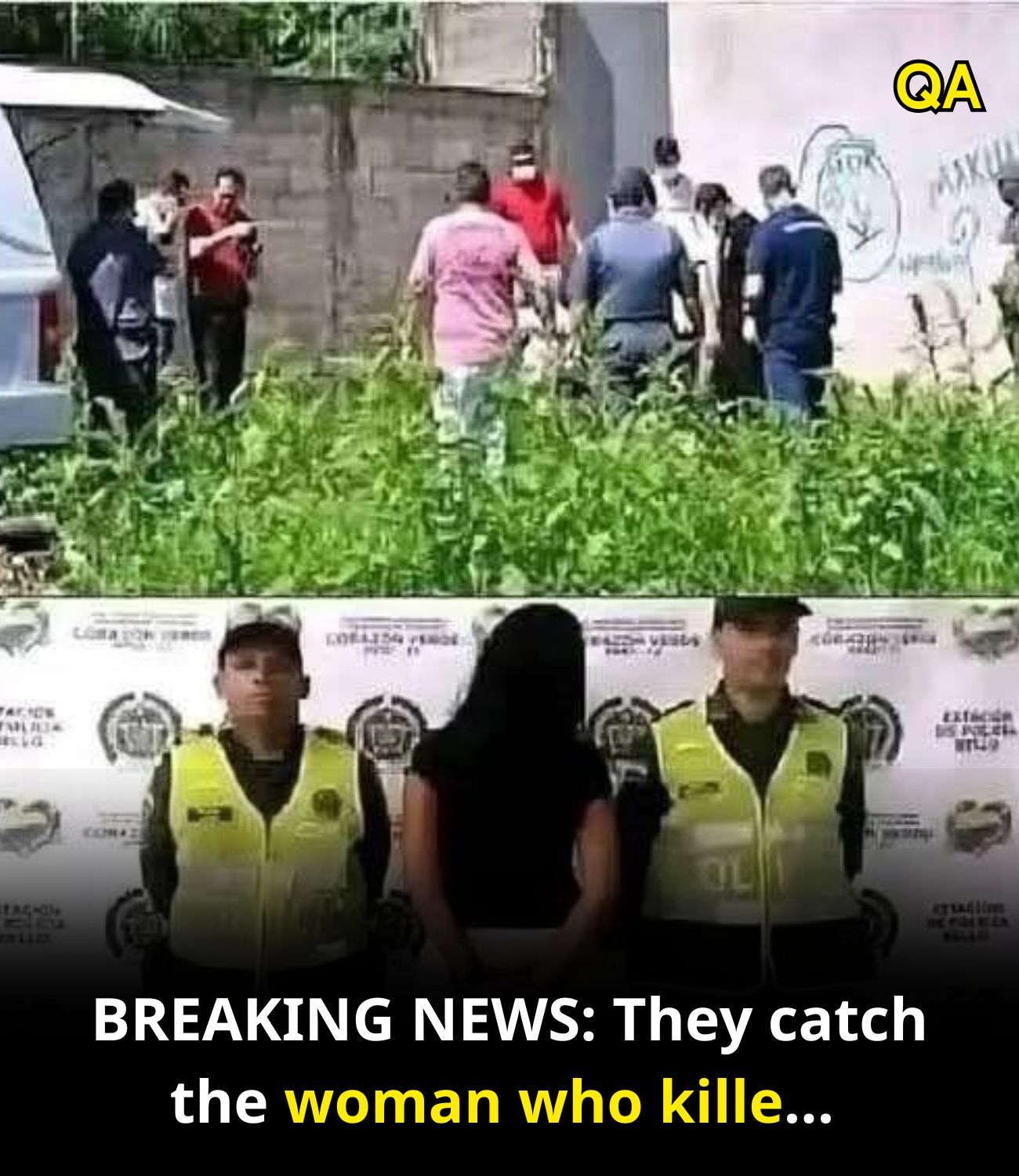
A 23-year-old Colombian woman who has been given the street alias “La Muneca” — or “The Doll” in English — has been taken into custody in connection with a string of targeted criminal killings in one of Colombia’s most notoriously dangerous regions. Her arrest has attracted significant international attention, not only because of the serious nature of the allegations against her, but also because of the striking contrast between her youthful appearance and the gravity of the crimes she is accused of orchestrating.
True crime communities online have been buzzing since the story broke, with many social media users already calling for a documentary series and suggesting which actress should play her. But beyond the online commentary, the case raises serious and sobering questions about organized crime networks in Colombia and the increasingly prominent role that young women are playing within them.
Who Is Karen Julieth Ojeda Rodriguez?
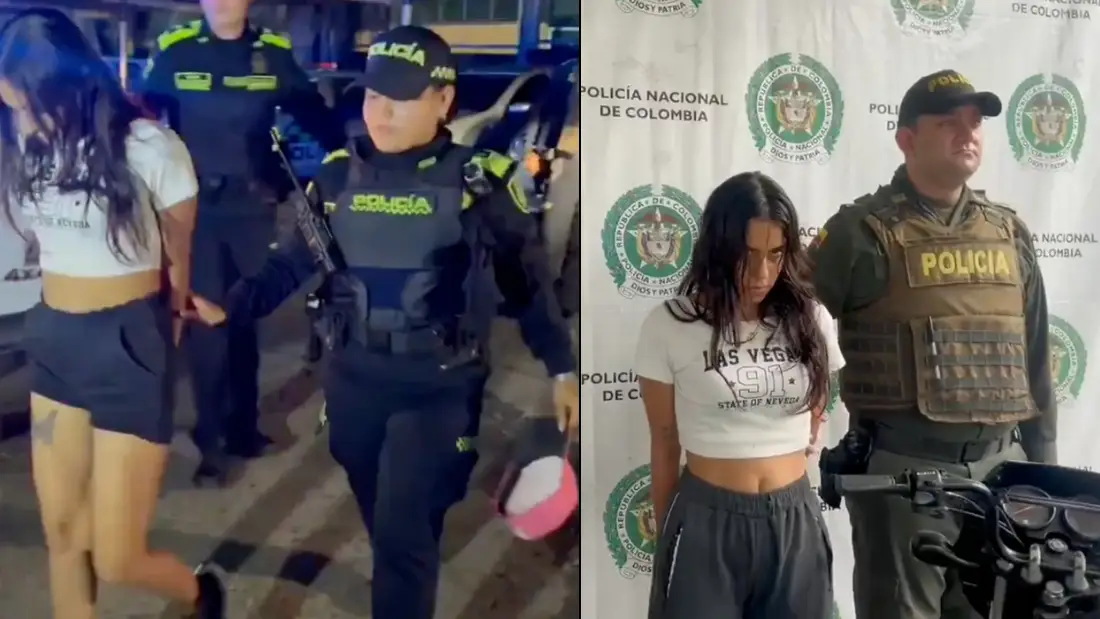
Karen Julieth Ojeda Rodriguez was 23 years old at the time of her arrest, which took place in the municipality of Barrancabermeja, a city in the Magdalena Medio region of northern Colombia. The area has a long and well-documented history of tension between rival criminal organizations, paramilitary factions, and law enforcement — a history that has made it one of the more challenging regions in the country for police to maintain order.
Rodriguez is described by local press and regional law enforcement as an alleged contract operative — a person employed by criminal networks to coordinate or directly carry out targeted acts of violence against specific individuals, typically for payment. Authorities allege that she was not acting alone, but as part of a small and organized group operating in the region under the umbrella of a criminal structure known as Los de la M.
The alias “La Muneca,” or “The Doll,” was reportedly given to her by those within criminal circles who knew her — a nickname that, given the mugshot images circulated after her arrest showing a composed and notably untroubled expression, has resonated with the public in ways that have complicated how her case is being discussed online.
The Incident That Led to Her Arrest
According to statements from the Magdalena Medio Police Department, the specific incident that triggered Rodriguez’s arrest took place on July 23rd. The victim was her former romantic partner, a man identified in local reports as Deyvy Jesus.
Investigators allege that Rodriguez used personal familiarity and trust to set the stage for the attack. She reportedly contacted her ex-boyfriend by phone and persuaded him to come to a specific location, using what police describe as a pretense — specifically, a conversation framed around resolving a financial dispute between them. The nature of that dispute has not been fully detailed in public statements, but authorities indicate it served as the stated reason she gave him for the meeting.
Deyvy Jesus arrived at the agreed location unaware of what was waiting for him. According to the police account, two men on a motorbike were positioned nearby, and the attack took place shortly after he arrived. He was struck multiple times and did not survive.
Law enforcement officials allege that Rodriguez was the one who coordinated the encounter and that the two men on the motorbike carried out the attack on her instruction, operating as part of the same criminal network. The case, in their assessment, represents a premeditated and organized act rather than a spontaneous act of violence.
Rodriguez was subsequently identified as a key suspect, placed under surveillance, and eventually taken into custody along with two others connected to the same network.
The Arrests and What Was Found
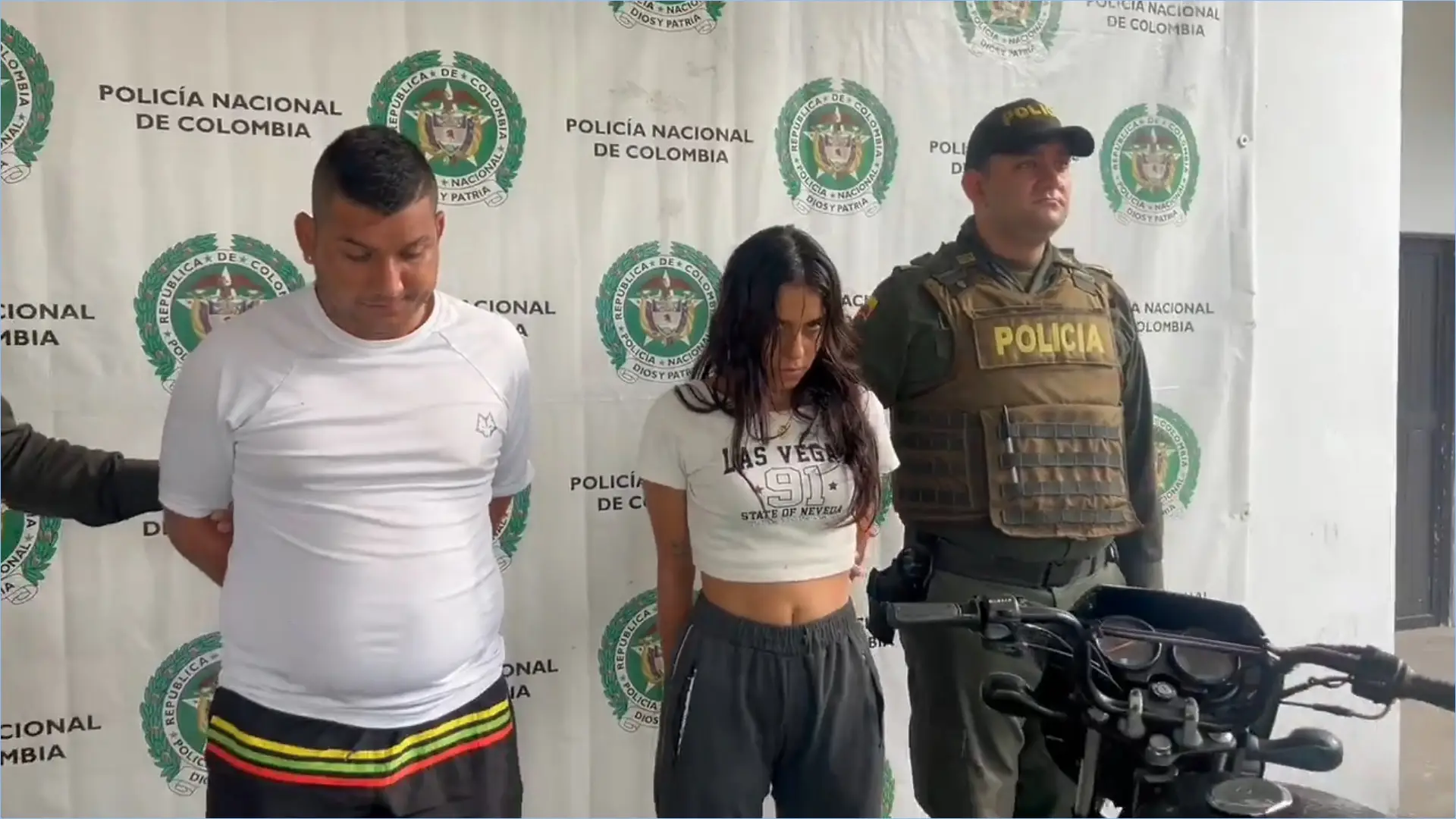
Rodriguez was not brought in alone. Alongside her, police arrested Paula Valentina Joya Rueda, a 24-year-old woman who, according to Spanish-language outlet Libertad Digital, operates under the rather less poetic street name of “Gorda Sicaria” — a nickname that translates roughly as “Fat Contract Operative” in English. The use of physical descriptors as criminal aliases reflects a longstanding informal tradition within some Colombian criminal subcultures, where such nicknames function as identifiers within networks where real names are avoided.
A third individual, known only by the alias “Leopoldo,” was also arrested as part of the same operation.
During the course of the arrests, law enforcement recovered two firearms: a 9mm pistol and a revolver. Police stated they were in the process of running ballistic analysis to determine whether either weapon could be linked to the killing of Deyvy Jesus or to any of the other incidents under investigation. No confirmation of a match had been made public at the time of the initial reporting.
The Broader Criminal Context
The case does not exist in isolation. Rodriguez’s alleged involvement with Los de la M — a criminal organization operating in the Magdalena Medio region — places it within a much larger and more complex picture of organized crime in Colombia.
Barrancabermeja, where the arrests took place, has historically been a flashpoint for competition between rival criminal groups, particularly in the years following the formal dissolution of major paramilitary structures in the early 2000s. The fragmentation that followed that period gave rise to numerous smaller criminal networks that have competed for territorial control over drug trafficking routes, extortion operations, and other illegal enterprises. Los de la M is one of several such groups believed to be active in the area.
Law enforcement officials have noted that the participation of women in these criminal networks — including in roles that involve direct coordination of violence — has become more visible in recent years, though whether this reflects an actual increase in female participation or simply greater law enforcement focus on it is a matter of ongoing analysis.
Lieutenant Colonel Mauricio Herrera of the Magdalena Medio Police addressed the significance of the arrests in a statement: “With the capture of alias La Muneca and alias Leopoldo, a period of calm has been created in the region. These arrests mark progress in the dismantling of criminal structures responsible for the recent homicides.”
The statement suggests that investigators view Rodriguez not merely as a peripheral figure in these events, but as someone whose removal from the community has a tangible impact on criminal activity in the area.
Charges and What Comes Next
At the time of the most recent reporting, Colombian authorities had not yet made a formal public announcement about the specific charges Rodriguez will face. The process by which charges are filed and formalized in the Colombian justice system can take some time following an initial detention, particularly in cases where investigators are still working to establish connections between a suspect and multiple incidents.
Local and regional press have indicated that Rodriguez’s alleged involvement spans more than the single incident involving her former partner — that she is being investigated in connection with several other targeted killings in the region attributed to the same criminal structure. The full scope of those allegations, and the evidence assembled to support them, is expected to become clearer as the legal process moves forward.
Rodriguez and her co-defendants are expected to face serious criminal charges. Under Colombian law, organizing or directing targeted acts of lethal violence as part of a criminal organization carries significant prison sentences, and cases involving multiple victims and evidence of premeditation are typically treated by prosecutors as priority matters.
The Social Media Reaction
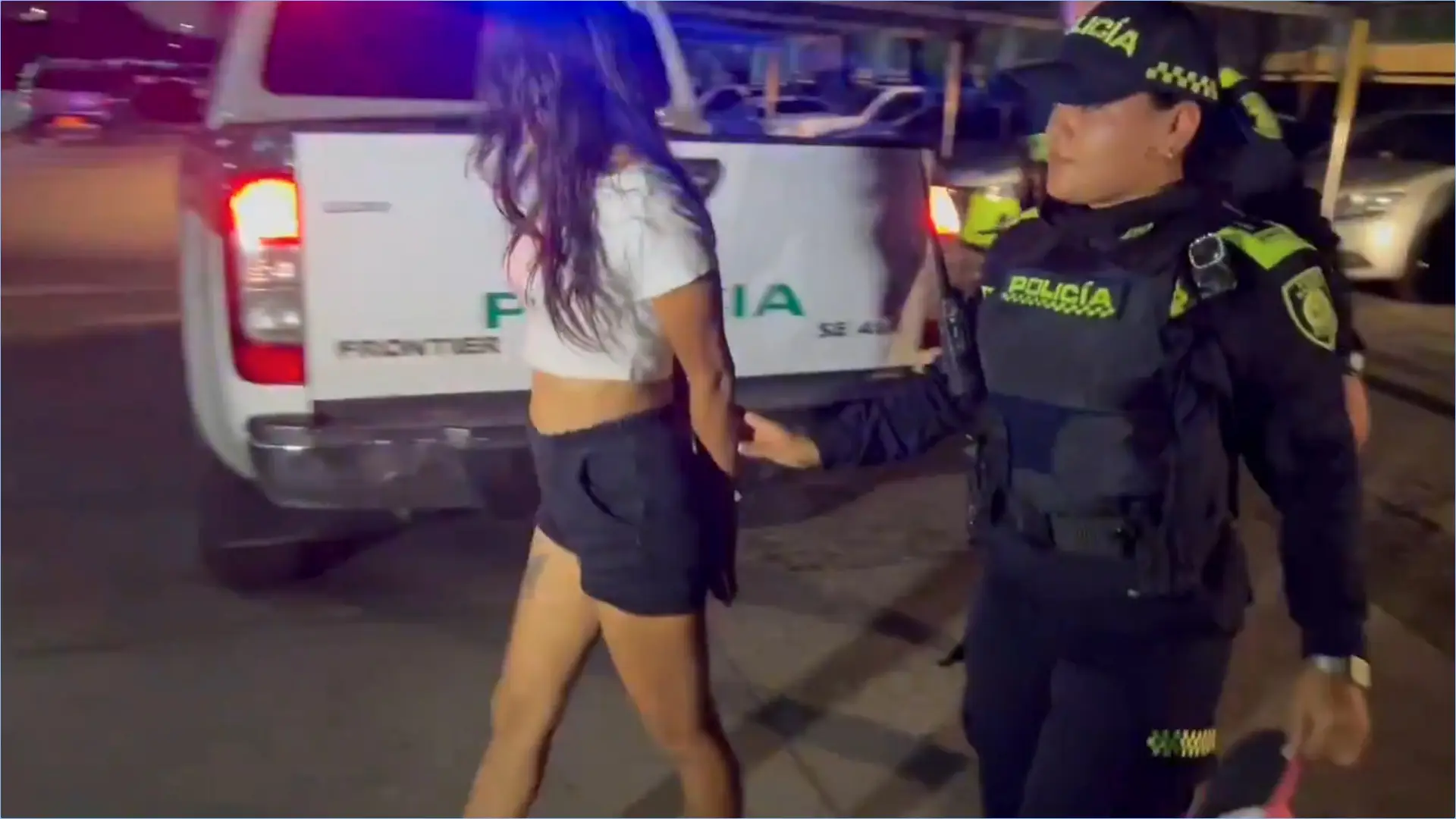
Almost as soon as photographs from Rodriguez’s arrest began circulating online, the internet did what the internet tends to do: it generated an enormous volume of commentary, much of it only loosely related to the serious criminal allegations at the center of the story.
The images showed Rodriguez being led away in handcuffs, her expression notably composed — even, some observers noted, slightly defiant. For a section of social media users, particularly on the platform formerly known as Twitter and now operating as X, this became the focal point of a wave of posts that mixed dark humor with genuine fascination.
“I can fix her,” wrote one user, in a post that gathered thousands of interactions — a reference to a well-traveled internet joke format suggesting that someone is prepared to redeem a person of notably questionable character through the power of personal affection.
“So she’s single?” added another, playing on the detail that the victim of the alleged attack was her former boyfriend.
Others immediately pivoted to the entertainment angle. Multiple users called for a documentary or scripted series, and the casting suggestions came quickly. Aubrey Plaza — the American actress known for her deadpan intensity and her roles in projects including “Parks and Recreation” and the psychological thriller series “The White Lotus” — emerged as the clear consensus pick from commenters who apparently felt her particular energy matched the situation.
“I would watch three seasons,” one user concluded, with the confidence of someone who has clearly thought about this.
The response is, in one sense, a reflection of how thoroughly true crime content has become embedded in mainstream popular culture. Cases involving individuals with striking backstories, dramatic circumstances, and photogenic arrest images tend to generate immediate speculation about future adaptations — sometimes before the legal proceedings have even properly begun.
Whether the tone of some of that commentary is entirely appropriate given that the case involves a man who lost his life and a community that has been affected by sustained criminal violence is a separate and more uncomfortable question — one that tends to get lost fairly quickly in the volume of posts.
A Story Still Unfolding
What makes the case of Karen Julieth Ojeda Rodriguez more than simply a true crime curiosity is the larger picture it reflects. Behind the striking nickname, the viral photographs, and the casting suggestions lies a story about a region that has experienced decades of organized criminal violence, a 23-year-old woman whose life has taken a path that will now be determined largely by the Colombian justice system, and a victim who died as a result of what investigators say was a carefully planned deception carried out by someone he trusted.
The full details of Rodriguez’s alleged involvement in criminal activity, the network she is accused of working within, and the outcome of the legal proceedings against her and her co-defendants will likely take months to emerge fully. In the meantime, Magdalena Medio Police say the arrests have brought a degree of stability to a community that had been living with the consequences of the criminal activity attributed to this network.
Whether “La Muneca” ultimately becomes the subject of the Netflix series her online admirers are already anticipating remains to be seen. For now, she is in custody, facing a legal process that takes a considerably less entertaining view of the allegations against her than social media does.